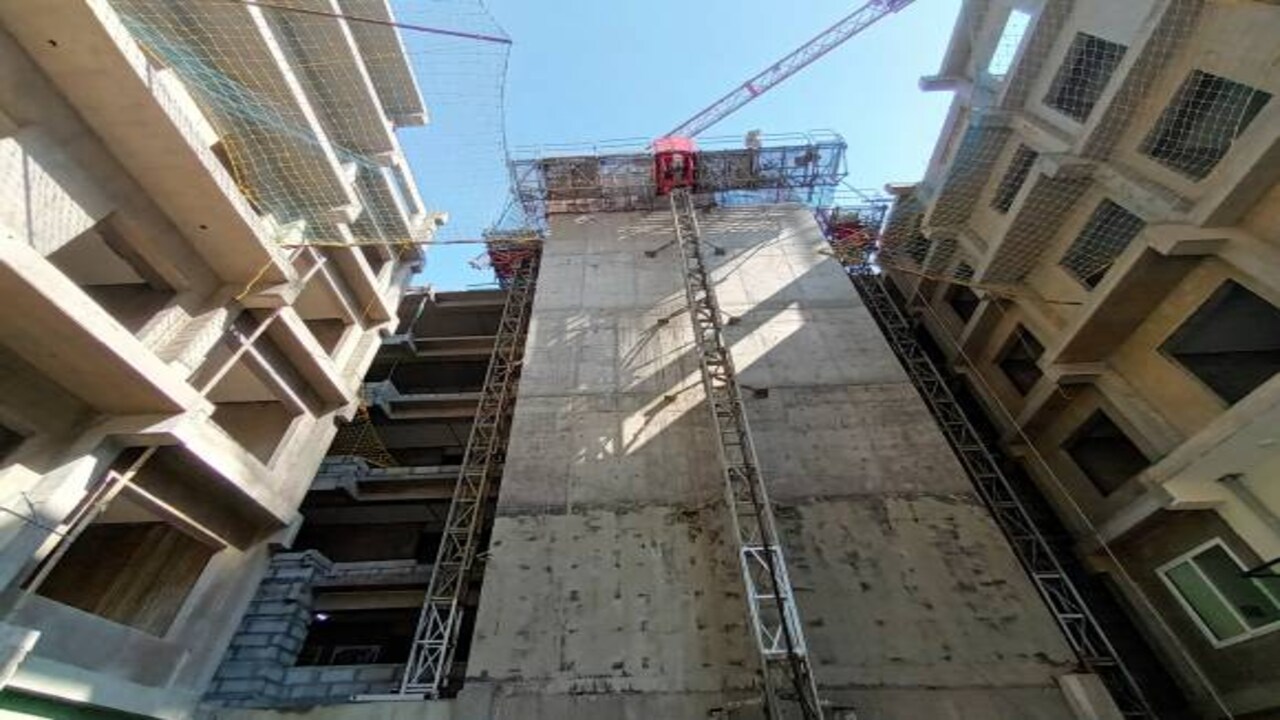
A long-stalled housing redevelopment in Jogeshwari, Mumbai, has moved towards revival after the state housing authority lifted a stop-work order that had frozen construction for over three years. The decision reopens a project that has remained incomplete for nearly 17 years, impacting hundreds of tenant families and homebuyers caught in prolonged legal, financial, and regulatory uncertainty.
Spread across nearly nine acres, the redevelopment involves more than 500 original tenant households and several hundred sale-home buyers who invested in the project over a decade ago. Many committed lifetime savings and home loans, only to face repeated delays, mounting liabilities, and unfinished buildings. Urban housing experts say the case reflects systemic weaknesses in redevelopment governance, particularly in dense cities where ageing housing stock intersects with speculative real estate finance. The regulatory clearance now allows a new developer, appointed through insolvency proceedings, to formally take over construction. Officials confirmed that the housing authority withdrew its earlier notice after reviewing compliance submissions and revised timelines, enabling work to resume under stricter oversight. The restart follows approval under the National Company Law Tribunal framework, increasingly used to resolve distressed real estate projects across metropolitan India.
The stalled development carries estimated liabilities nearing ₹600 crore, with claims from hundreds of buyers and financial institutions. Industry analysts note that prolonged freezes often amplify debt exposure, pushing projects into insolvency while deepening distress for residents forced to pay rent and loan instalments simultaneously. In this case, only a fraction of promised homes were delivered before construction halted, leaving partially built towers and displaced families in limbo. Fresh institutional funding has been arranged to stabilise the project and support phased construction. Real estate finance experts point out that such capital infusion, combined with tribunal-led restructuring, has become critical to rescuing large redevelopment schemes in Mumbai, where land values are high but execution risks remain significant.
Beyond individual hardship, urban planners highlight the broader city-level implications. Stalled redevelopment locks up scarce land, delays housing supply, and undermines confidence in cooperative housing renewal—an essential pillar of Mumbai’s urban regeneration strategy. Restarting delayed projects, they argue, is as important as launching new ones, particularly in reducing urban sprawl and limiting carbon-intensive greenfield expansion. The Jogeshwari redevelopment is now expected to proceed under a revised schedule, with authorities indicating closer monitoring of construction milestones. For affected families, the regulatory reset offers cautious optimism after years of uncertainty.
As Mumbai continues to rely on redevelopment to modernise its housing stock, the project’s revival may serve as a test case for whether insolvency mechanisms, regulatory enforcement, and institutional finance can together deliver more accountable, people-first urban renewal outcomes.
Mumbai Jogeshwari Redevelopment Restart Brings Long Awaited Relief