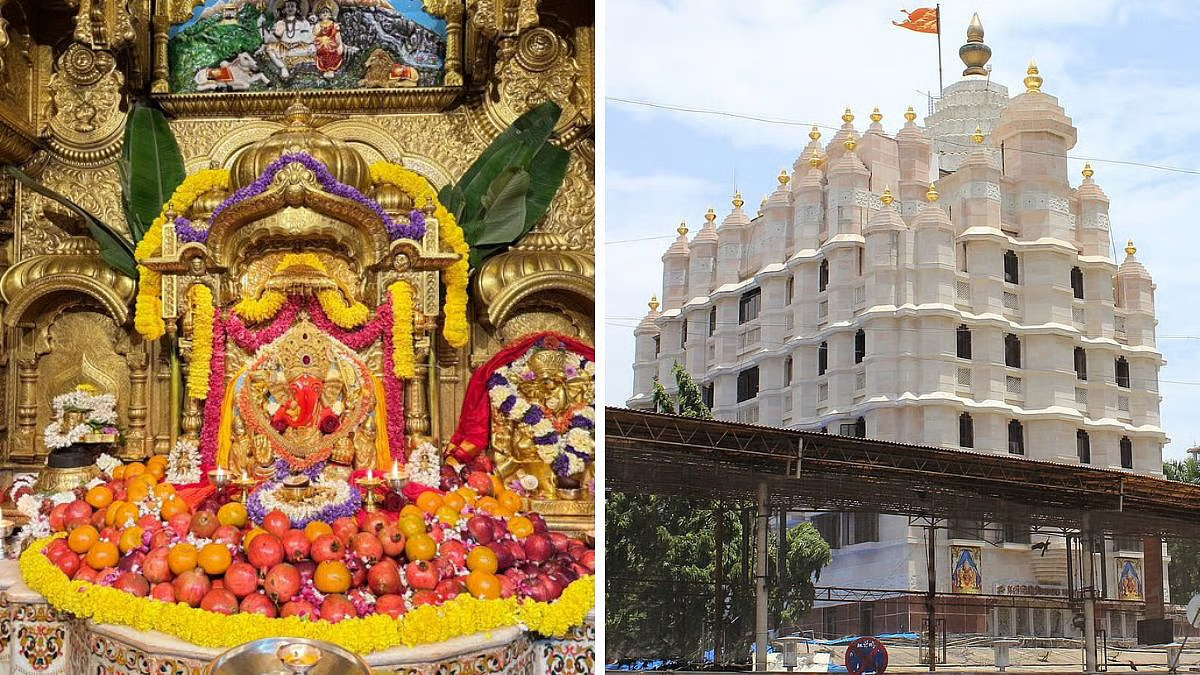
Mumbai’s Shree Siddhivinayak Temple in Prabhadevi experienced an extraordinary influx of devotees on January 22, 2026, as the city marked Ganesh Jayanti, celebrating the birth of Lord Ganesha. From early morning, the area around the temple transformed into a dense gathering of worshippers, reflecting the enduring cultural and civic significance of religious festivals in Mumbai. Authorities deployed extensive crowd management measures to ensure safety and seamless movement across the precincts.
The day commenced with the traditional Kakad Aarti, followed by a series of ritual ceremonies including Ganesh Yaag. Devotional offerings, floral decorations, and fruit arrangements adorned the Ganpati idol, emphasising the temple’s commitment to maintaining both spiritual and visual grandeur during high-footfall events. The celebrations are part of the week-long Magh Shri Ganesh Jayanti Mahotsav, which incorporates bhajans, cultural performances, and community participation, illustrating the social cohesion and cultural vitality that festivals bring to urban life. Later in the afternoon, the grand Rath Shobhayatra commenced, featuring a ceremonial chariot procession through Prabhadevi and Dadar. The procession’s route, spanning major arteries including S.K. Bole Marg, Gokhale Road, and Veer Savarkar Marg, highlighted the logistical planning required to balance devotional enthusiasm with urban mobility. Traditional Maharashtrian folk arts, including Lezhim, Tarpa, Bangar, and Adivasi dances, accompanied the chariot, while fourteen dhol-tasha troupes amplified the cultural vibrancy, reinforcing how heritage performance integrates with urban public spaces.
City authorities, including the Mumbai Police and municipal teams, implemented strategic traffic diversions, temporary barricades, and emergency protocols. A senior civic official noted that such interventions not only facilitate safety but also minimise disruptions to surrounding neighbourhoods, illustrating the critical intersection of cultural practices with urban planning and civic management. Ganesh Jayanti holds deep religious resonance in Maharashtra, marking the creation of Lord Ganesha by Goddess Parvati. For many urban devotees, visiting Siddhivinayak—revered as the wish-fulfilling Navasacha Ganpati—remains central to seeking blessings for wisdom, prosperity, and obstacle removal. Urban planners and cultural experts emphasise that major festivals like Ganesh Jayanti generate positive economic activity through local commerce, transport services, and tourism, while simultaneously requiring adaptive crowd and infrastructure management in dense city zones.
As devotees continue to arrive throughout the day, authorities urge cooperation with safety measures. The event underscores the need for cities to integrate cultural calendars with urban infrastructure planning, ensuring that civic spaces can accommodate both heritage expression and sustainable, secure mobility.
Mumbai Sees Massive Devotee Rush At Siddhivinayak Temple