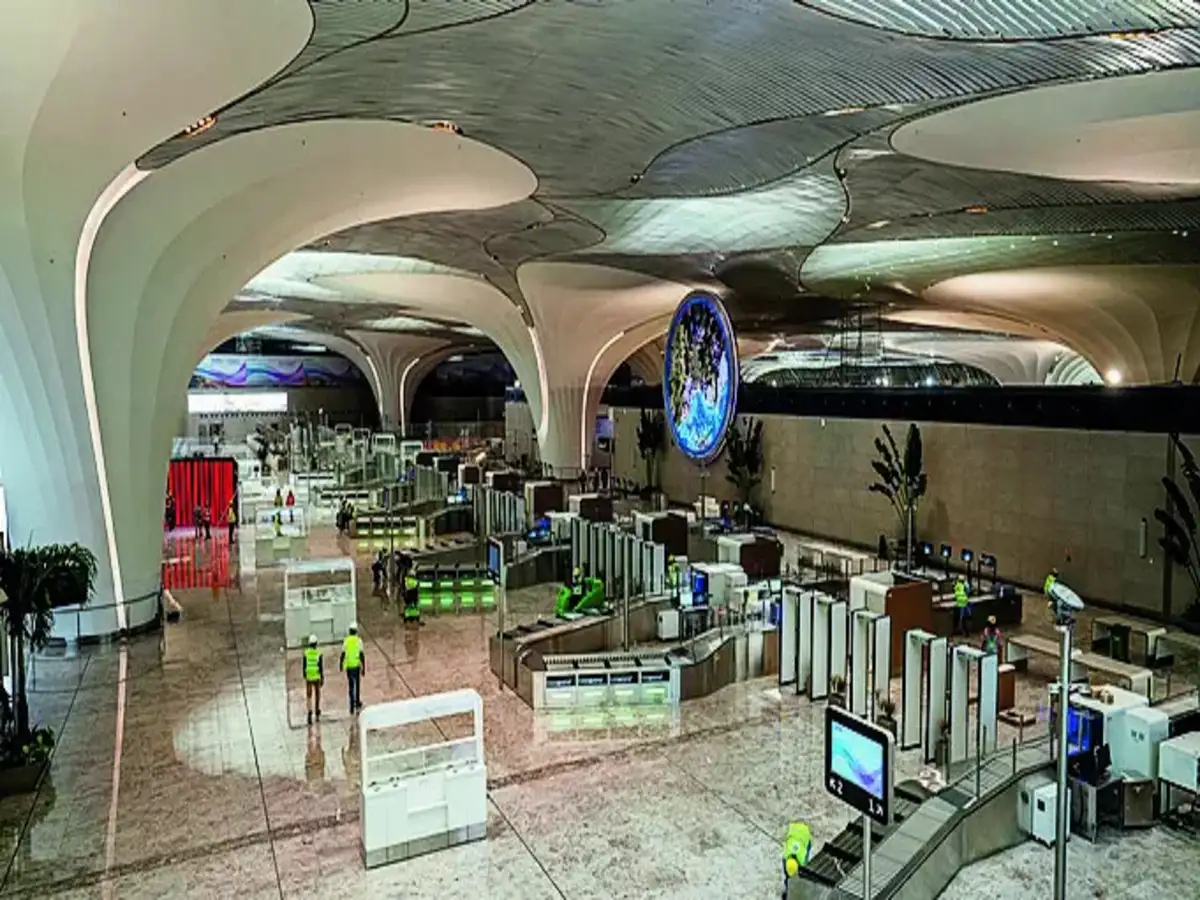
Maharashtra’s economic leadership used the World Economic Forum in Davos to outline a major shift in how Mumbai’s next phase of growth will be planned, financed, and built. The state confirmed plans for a large-scale Mumbai Innovation City near the international airport, positioning it as a technology-led urban district designed to support early-stage companies while easing pressure on the city’s existing commercial hubs.
According to senior officials present at the global forum, the proposed district will be anchored by a long-term private investment commitment from a leading Indian conglomerate, valued at approximately USD 11 billion. The development is expected to follow a “plug-and-play” model, allowing startups and innovation-driven firms to access ready infrastructure, shared services, and transit-oriented locations without the high entry costs typically associated with Mumbai’s commercial real estate market. Urban planners view the location choice as strategic. Proximity to the airport and emerging metro corridors aligns the project with transit-first planning principles, reducing car dependency and shortening commute times. Experts note that this approach reflects a broader recalibration in Mumbai’s growth strategy—moving away from fragmented office clusters towards integrated, mixed-use innovation districts that combine workspaces, housing, and social infrastructure.
At Davos, the state leadership also outlined a parallel transition in Maharashtra’s energy and urban systems. Officials reiterated that more than half of the state’s electricity supply is now targeted to come from renewable sources, signalling a gradual restructuring of the power grid to support climate-resilient urbanisation. For Mumbai, this is being linked to a circular economy roadmap focused on waste recovery, resource efficiency, and lower construction emissions—an agenda that has growing implications for real estate design and infrastructure procurement. The announcement came alongside a separate investment milestone for the Mumbai Metropolitan Region. The region’s development authority confirmed that it had signed multiple non-binding agreements at the forum, collectively representing investment interest worth around USD 96 billion. These proposals span transport, urban infrastructure, and new economic clusters, reinforcing Mumbai’s role as a national gateway for long-horizon capital.
Industry analysts caution that execution will be critical. Large innovation districts often face challenges related to land use integration, affordability, and inclusive access to jobs. However, they also note that Mumbai Innovation City could ease congestion in legacy business districts while opening new employment corridors beyond the island city. For residents and businesses, the coming years will determine whether these global commitments translate into on-ground improvements—better mobility, cleaner energy, and urban spaces that support economic opportunity without intensifying environmental stress. The scale of ambition is clear; delivery will define its legacy.
Mumbai Innovation City Planned Near Airport To Boost Startup Growth