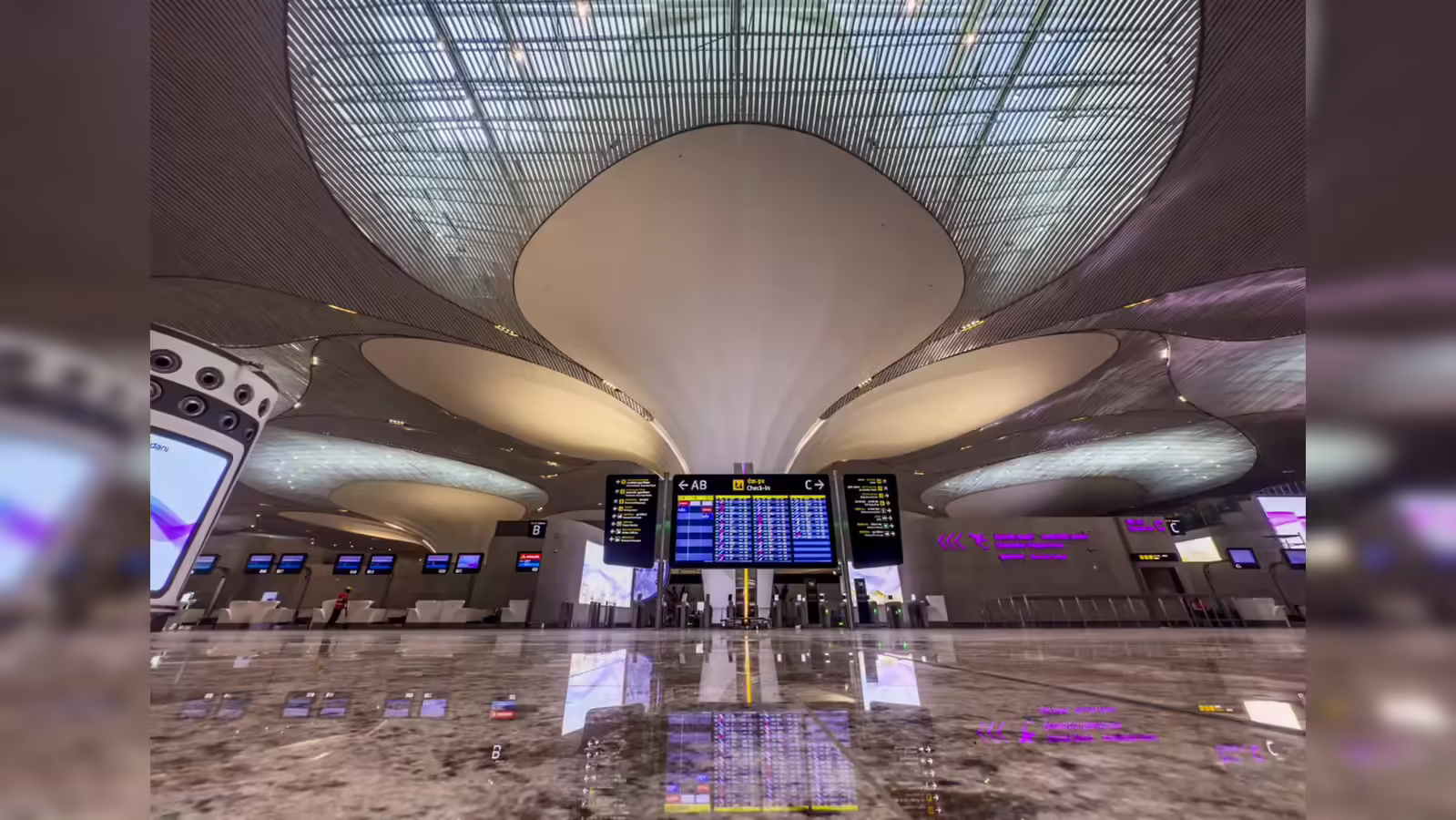
Navi Mumbai Airport Introduces Contactless DigiYatra Service
India’s telecom regulator, the Telecom Regulatory Authority of India (TRAI), has opened a formal inquiry into a deepening dispute between mobile network operators and the Navi Mumbai International Airport (NMIA) over pricing and access for on-site network deployment — a conflict that has broader implications for connectivity standards at large public infrastructure projects. TRAI’s involvement reflects concern over fair competition, right-of-way rights and consumer experience in the rollout of 4G and 5G services at one of India’s newest aviation hubs.
The issue began when India’s three largest private telecom operators — Bharti Airtel, Reliance Jio Infocomm and Vodafone Idea — through the Cellular Operators Association of India (COAI), flagged challenges in securing permissions to deploy their own in-building telecom infrastructure at the airport. Operators allege that the airport operator’s terms for access and pricing are commercially unviable and structured in ways that could disadvantage independent deployment of their services, particularly in critical passenger and operational zones. The industry body has specifically asked TRAI to examine whether the charges being demanded — reportedly around ₹92 lakh per operator per month for use of airport-installed network infrastructure — align with cost-based pricing principles under India’s regulatory framework. COAI raised concerns that the fees far exceed the capital and operational expenditure typically required to build and maintain separate indoor solutions (IBS), potentially undermining the competitive neutrality of licensed telecom providers.
Alongside pricing, COAI’s complaint also includes claims that NMIA’s current telecom model effectively positions it, or a nominated neutral-host vendor, as the sole gateway for in-building network access, thereby constraining operators’ ability to deploy 4G/5G systems independently. Industry sources describe this as a structural issue that, if left unregulated, could set a precedent for similar arrangements at other infrastructure nodes such as metro stations, commercial hubs and stadiums — raising questions about equitable access to essential connectivity. In response, the airport operator has maintained that it has not denied right of way (RoW) to any licensed telecom service provider (TSP) and that the in-building system was installed after consultations with operators, with state-owned BSNL already in advanced testing for coverage. NMIA has rejected claims of disproportionate charges, asserting that its pricing and neutral-host approach align with industry norms at major airports to ensure consistent coverage and streamlined operations.
TRAI Chairman has said the regulator is reviewing details of past pricing agreements and RoW arrangements submitted by COAI, indicating that further regulatory guidance or intervention could follow once the facts are assessed. TRAI has noted it can act suo moto — without a separate government referral — based on the industry body’s representations, underscoring the regulator’s mandate to safeguard competition and consumer interests in telecom infrastructure deployment.
For urban infrastructure and aviation stakeholders, this debate highlights the intersection of public infrastructure development and digital connectivity governance. Seamless mobile network access is increasingly regarded as a baseline service expectation at major transport hubs, affecting not just passenger experience but also digital service delivery and economic productivity. As India builds out next-generation infrastructure — from airports to urban transit corridors — establishing clear, equitable frameworks for telecom access and pricing will be essential to avoid market distortions and ensure inclusive connectivity for users across networks.