BSH Premium Appliances Strategy Targets India Growth
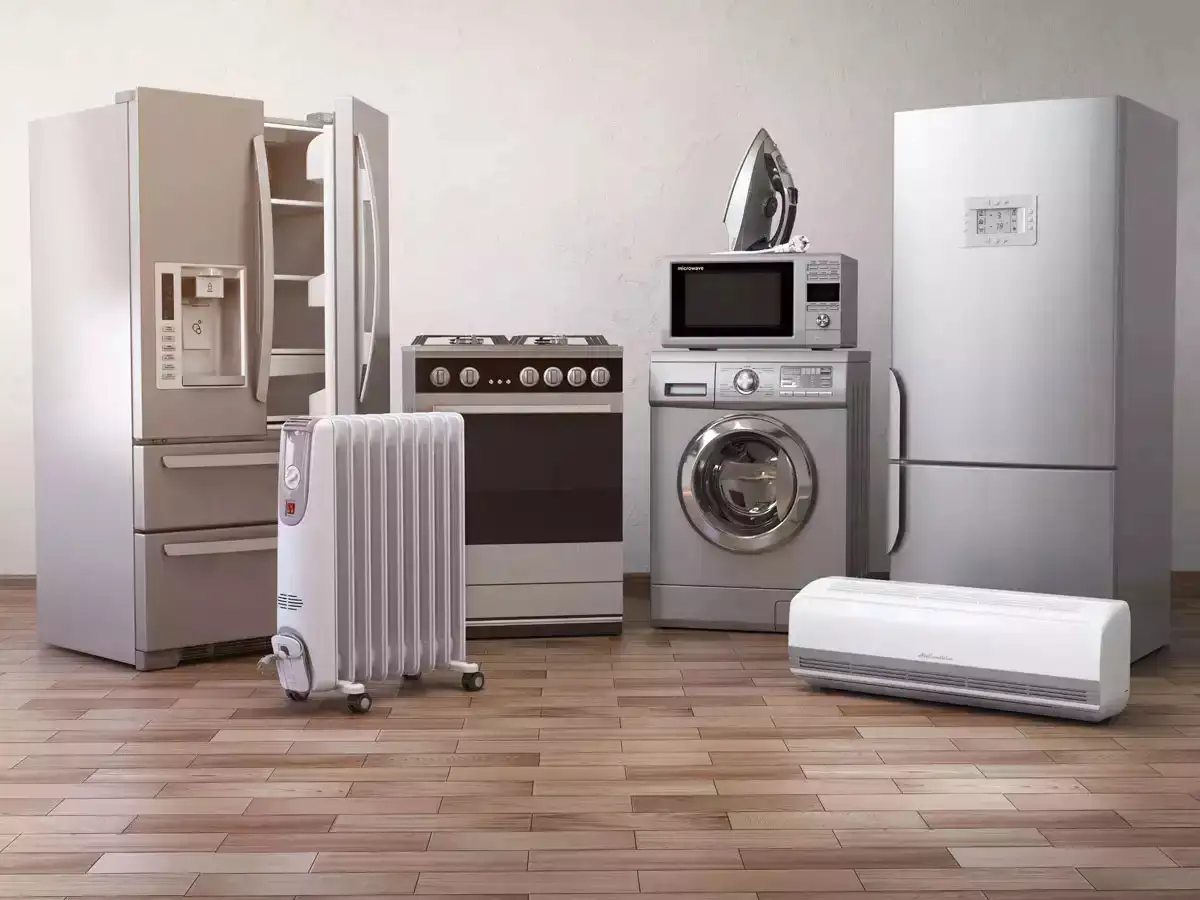
India’s commerce outreach in Europe is gaining momentum as the Embassy of India in Bucharest facilitated a virtual business-to-business engagement between Romanian importers and four major Indian home appliance manufacturers, signalling nuanced efforts to deepen trade links in consumer durables amid shifting global supply chains. The session, convened through digital connectivity, brought together Indian exporters and Romanian buyers with an eye on expanding bilateral economic collaboration in the home appliances segment.
With the Romanian company Marelvi Impex SRL expressing interest in diversified sourcing, the virtual B2B meetingenabled direct dialogue with leading Indian firms including IFB, Dixon Technologies, Crompton Greaves and Havells India — all established players in appliances ranging from kitchen equipment and electrical goods to consumer electronics. Organised in coordination with the Federation of Indian Chambers of Commerce & Industry (FICCI), the forum illustrated how digital platforms are now integral to cross-border commercial engagement, especially where physical distance or logistical costs can deter early-stage partnerships. The Romanian visitor’s location in Suceava County, which lies about 500 km from the Dutch-influenced capital city of Bucharest, underscores the geographical and logistical realities that make virtual meetings a practical bridge between emerging markets and Indian manufacturers. Executives on both sides used the platform to exchange presentations and explore potential supply and distribution frameworks that could place Indian appliances more firmly into the European retail ecosystem.
For makers in India’s home appliance sector — one of the country’s manufacturing success stories driven by both domestic demand and export growth — such dialogues support broader efforts to diversify export destinations beyond traditional markets. India’s home appliance industry has benefited from scaling production, rising quality standards and brand recognition, and recent government policies such as production-linked incentives (PLI) have sought to bolster competitiveness globally. Analysts assert that expanding into European markets through institutional support can help Indian firms capture premium segments that value durability, energy efficiency and after-sales service reliability. From the Romanian perspective, sourcing from India aligns with industrial and consumer trends in Eastern Europe — where demand for affordable, high-performance appliances is rising amid urban household growth and higher disposable incomes. Romania’s integration into the European Union’s single market presents export partners with opportunities to access a larger consumer base beyond national borders, positioning Romania as a strategic entry point for Indian brands exploring European demand clusters.
Diplomatic leadership reaffirmed India’s commitment to strengthening commercial ties, with the ambassador emphasizing India’s capabilities in manufacturing and quality control, and encouraging potential Romanian partners to explore factory visits and enhanced engagement. This aligns with ongoing bilateral economic efforts, including high-level trade missions and joint committees aimed at expanding cooperation in sectors spanning technology, energy, infrastructure and consumer goods.
While this B2B initiative does not yet signal immediate contractual commitments, it exemplifies how institutional facilitation and digital engagement mechanisms are reshaping how export markets are explored — particularly for India’s micro, small and medium-enterprise (MSME) ecosystem. For urban market trends, increased appliance exports could translate into more resilient manufacturing clusters back home, reinforcing supply chains that service both domestic renovation demand and global consumer markets. Future trade missions, follow-up meetings and targeted marketing efforts will be key indicators of how these early conversations translate into tangible commercial outcomes.