


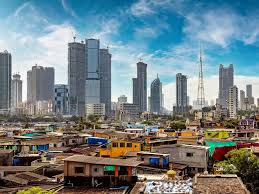
India’s residential property market crossed a significant inflection point in 2025 as premium-priced homes emerged as the single largest contributor to housing sales across major cities. Market data compiled by a global real estate consultancy indicates that higher-value homes have moved from a niche category to the core of urban housing demand, reflecting deeper economic and lifestyle shifts in Indian cities.
High-end homes accounted for close to 27 per cent of total residential transactions during the year, more than double their share just three years earlier. Industry analysts say this change marks a decisive break from the post-pandemic phase, when affordability and mid-income housing dominated buyer attention. The current cycle suggests that end-users are prioritising long-term value, space and liveability over entry-level pricing. Urban planners and housing economists attribute the trend to rising household incomes, a growing cohort of dual-income families, and sustained interest from overseas Indians seeking stable real estate assets in their home markets. Larger homes with better layouts, security features and shared amenities have gained favour as remote and hybrid working patterns reshape expectations around domestic space. What qualifies as high-end housing varies widely across cities, reflecting differences in land costs, income levels and development intensity. In Mumbai and the National Capital Region, the category typically spans homes priced between Rs 1.5 crore and Rs 3 crore. Southern markets such as Bengaluru and Hyderabad operate within slightly lower thresholds, while cities like Pune, Chennai and Kolkata see premium housing beginning at comparatively modest levels. This variation highlights the uneven nature of urban affordability across India’s metropolitan landscape.
The shift towards premium housing has been accompanied by a parallel surge in luxury home demand. Sales in the luxury segment recorded sharp year-on-year growth during 2025, particularly in the final quarter, signalling continued confidence among high-net-worth buyers despite global economic uncertainty. Real estate consultants note that this cohort remains relatively insulated from interest rate volatility and short-term market fluctuations. Transaction volumes in the October-December period remained robust, with sales and new launches closely matched, suggesting a cautious but responsive supply pipeline. Mumbai, Pune, Delhi-NCR and Hyderabad together accounted for the bulk of residential absorption, underlining their status as employment-led housing markets with strong infrastructure backbones. However, experts caution that the growing tilt towards premium supply raises important questions for urban equity and sustainability. As developers focus on higher-margin segments, ensuring adequate availability of affordable and mid-income housing will be critical to prevent spatial segregation and longer commute burdens for the urban workforce. Policymakers and city authorities may need to recalibrate planning incentives to maintain balanced housing ecosystems.
Looking ahead, market observers expect premium housing demand to remain resilient, supported by controlled new supply and improving project quality. The challenge for India’s cities will be to align this aspiration-driven growth with inclusive planning, climate-sensitive design and infrastructure capacity ensuring that the evolving housing market strengthens urban resilience rather than deepening divides.
Also Read:
India Housing Market Shifts Toward High End Homes
