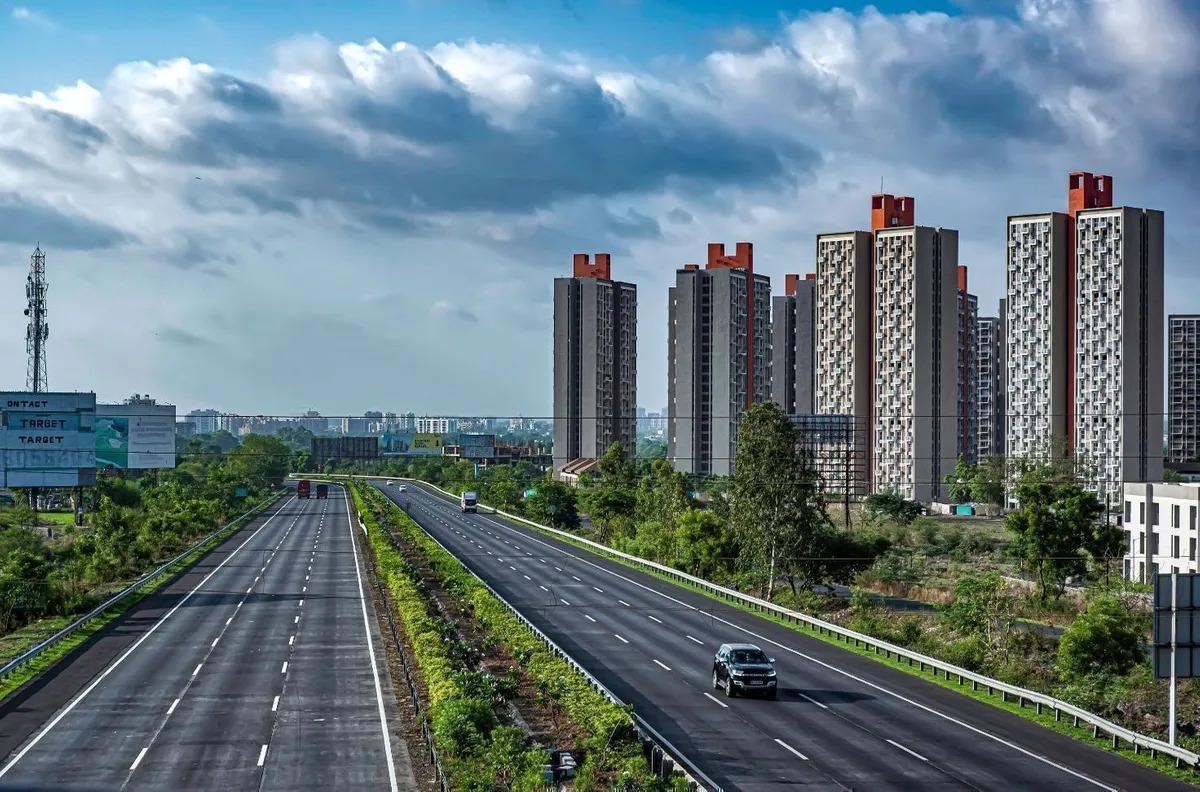
India’s urban land market saw a decisive shift in 2025 as developers concentrated large-scale acquisitions in a handful of metropolitan regions, signalling renewed confidence in long-term city growth and housing demand. The Mumbai Metropolitan Region, Bengaluru and Pune together accounted for the bulk of land transactions, underscoring how infrastructure-led corridors and employment centres continue to shape real estate strategy across the country.
Data reviewed by Urban Acres show that at least 126 land transactions were concluded across major Indian cities during the year, covering more than 3,700 acres. While the total number of deals dipped marginally compared with the previous year, the overall land area transacted rose sharply, indicating a preference for larger, consolidated parcels rather than fragmented acquisitions. This shift matters for cities grappling with density, as it opens space for planned development instead of piecemeal growth. The Mumbai Metropolitan Region emerged as the most active market, closing over 30 deals and accounting for the highest land area transacted nationwide. Industry experts note that improved regional connectivity, port-linked logistics, and suburban rail and metro upgrades have expanded the geography of viable development. Projects planned on these parcels range from housing and mixed-use districts to industrial parks and digital infrastructure, reflecting the region’s evolving economic base.
Bengaluru followed closely, with more than two dozen transactions focused largely on residential formats such as villas and plotted communities, alongside warehousing and commercial uses. Urban planners point out that this pattern mirrors the city’s outward expansion along technology and manufacturing corridors, where land-intensive formats are increasingly preferred over high-rise concentration. Pune also remained a key destination, recording a steady pipeline of acquisitions for housing, townships, retail and logistics. The city’s growing role as an education, manufacturing and services hub has driven demand for integrated neighbourhoods that combine employment access with liveable urban design. Beyond the metros, tier-2 and tier-3 cities collectively accounted for a substantial share of land area despite fewer deals. Large parcels in cities such as Ahmedabad and emerging regional hubs were earmarked for housing, industrial parks and mixed-use developments, highlighting how secondary cities are absorbing growth spillovers from larger metros. For policymakers, this trend reinforces the need to align land-use planning with climate resilience, water security and public transport before expansion accelerates.
Residential development dominated the national picture, with the majority of deals proposed for housing-led projects, including townships and plotted layouts. Analysts say this reflects both sustained end-user demand and a cautious approach by developers who are prioritising phased, lower-density formats that can adapt to changing market conditions. As India’s cities expand, the scale and location of land acquisition will play a critical role in shaping inclusive, low-carbon urban futures. How effectively these large parcels are planned—integrating housing, jobs, mobility and green infrastructure—will determine whether the momentum of India land deals 2025 translates into more resilient and people-first cities rather than deeper urban sprawl. The coming years will test whether regulators and developers can turn land aggregation into balanced urban outcomes.