Bengaluru double decker buses reshape city tourism
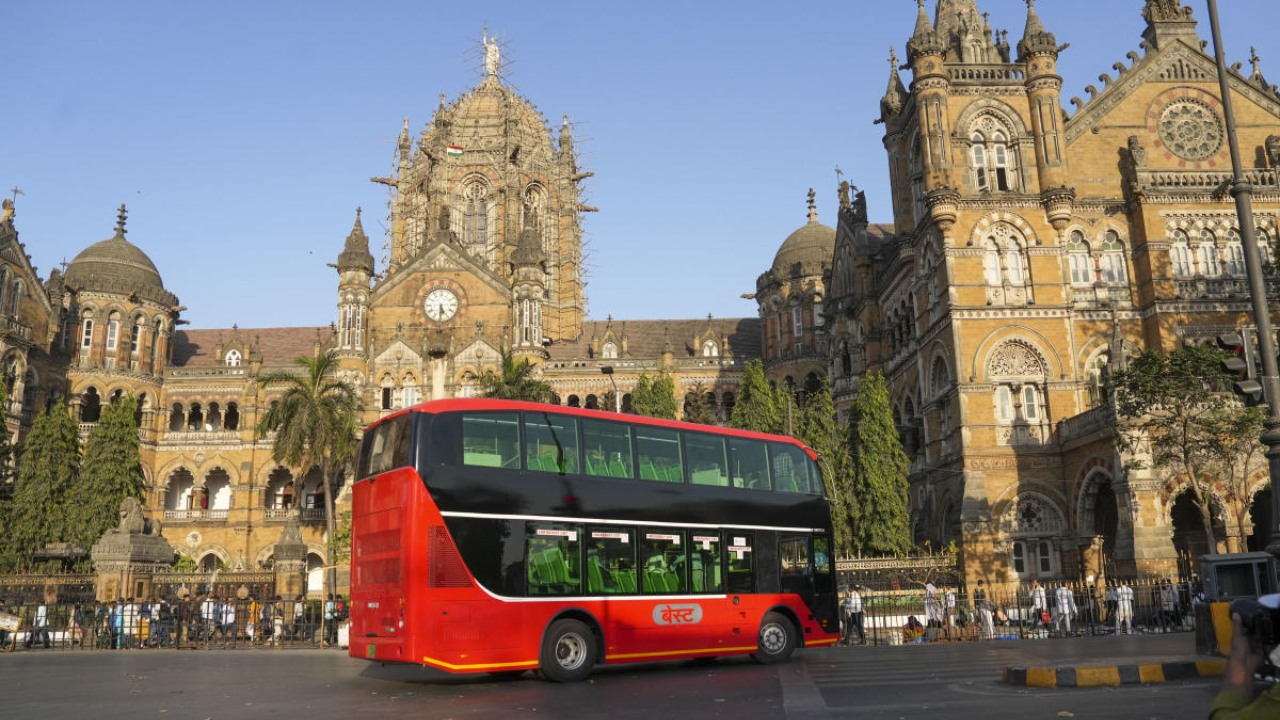
After nearly three decades, Bengaluru has reintroduced open-top double-decker buses on its streets, marking a renewed attempt to rethink how residents and visitors engage with the city’s historic core. Beginning January 21, a state-run tourism agency has launched a hop-on, hop-off bus service across central Bengaluru, positioning the initiative as a pilot for low-impact urban tourism and better utilisation of public road space. The service operates on a compact loop covering cultural institutions, civic landmarks and administrative precincts within the city centre. Each vehicle accommodates 40 passengers across two levels, combining an enclosed lower deck with an open upper deck.
Urban mobility planners say the format allows visitors to experience dense heritage districts without adding private vehicles to already congested roads, an issue that continues to challenge Bengaluru’s sustainability goals. The return of double-decker buses is notable not only for nostalgia but also for its policy timing. Bengaluru’s central business district faces mounting pressure from rising traffic volumes, declining air quality and shrinking pedestrian comfort. By bundling multiple destinations into a single, timed circuit, the hop-on, hop-off model reduces fragmented travel patterns often created by taxis and private tour operators. Officials associated with the project indicate the initial route is deliberately limited, allowing operational data to be gathered before expansion.
The larger plan envisions connecting more than two dozen cultural and commercial locations, extending the service eastward as demand stabilises. Transport analysts view this cautious rollout as essential in a city where previous attempts to revive double-decker services struggled due to route inefficiencies and low ridership integration. Economically, the initiative reflects a growing recognition of urban tourism as a contributor to local livelihoods. Museums, street vendors and small businesses around heritage corridors benefit when visitor movement is predictable and evenly distributed through the day. A modestly priced daily pass also lowers access barriers, supporting more inclusive participation by students, families and domestic travellers.
From an environmental standpoint, the Bengaluru double decker buses offer a relatively low-emission alternative when compared to multiple short taxi trips. While the current fleet is limited, urban sustainability experts note that such services can eventually be aligned with electric or hybrid propulsion, reinforcing long-term climate resilience goals for Indian cities.However, the project’s success will depend on integration rather than novelty. Clear wayfinding, pedestrian-friendly boarding points and coordination with city buses and metro stations will determine whether the service becomes a functional mobility layer or remains a tourist-only feature. As Bengaluru continues to search for people-first transport solutions, the revival of Bengaluru double decker buses signals a small but meaningful shift: prioritising shared experiences, reduced congestion and better use of public infrastructure in the heart of the city.