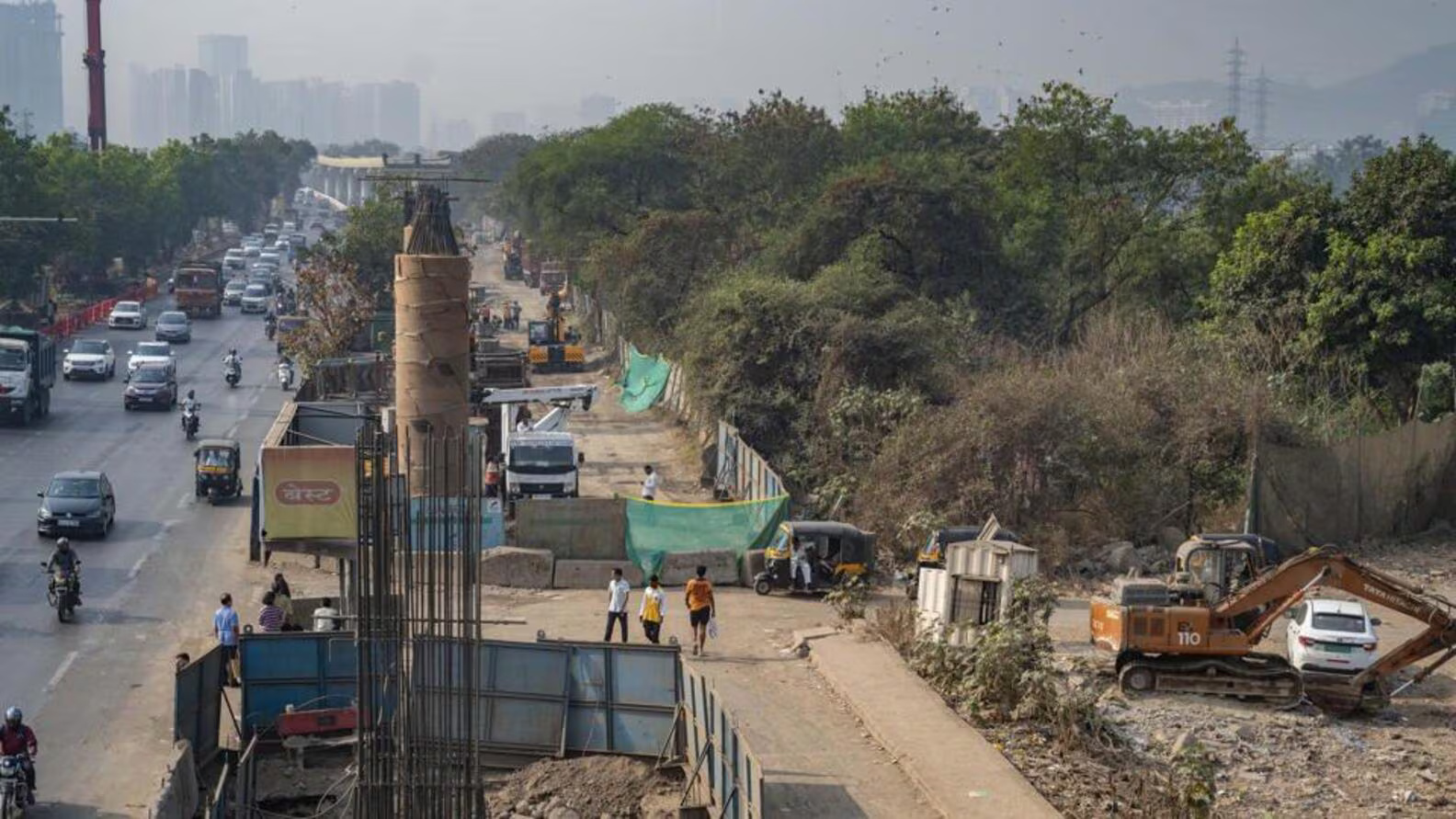
Mumbai’s east–west Metro Line 6 is preparing for a phased operational launch that could redefine how rapid transit corridors are commissioned in land-constrained megacities. The corridor, which links Andheri’s western neighbourhoods with Vikhroli in the east, is now expected to begin services without its originally planned full-scale car depot, reflecting a strategic shift by the metropolitan planning authority to avoid delays tied to land and regulatory clearances.
Metro Line 6, spanning over 15 kilometres, is a critical connector between residential clusters, employment hubs, and existing rail networks. With depot construction at Kanjurmarg facing prolonged procedural hurdles due to land classification and approvals, project planners are pursuing an interim maintenance strategy to ensure passenger services are not postponed further. The line is currently targeted for opening in the latter half of 2026. Under the revised approach, routine train maintenance will be carried out on an elevated deck equipped with multiple pit lines near the Vikhroli end of the corridor. This elevated facility, being built parallel to the Eastern Express Highway, is designed to support daily inspections, minor repairs, and operational checks. More intensive overhauls will be handled at an existing metro facility elsewhere in the city until the permanent depot becomes functional.
Urban transport experts view this model as a pragmatic response to Mumbai’s persistent land constraints. Large depots require extensive parcels, which are increasingly difficult to assemble within city limits without ecological or administrative complications. By decoupling line commissioning from depot readiness, authorities aim to deliver mobility benefits earlier while spreading capital expenditure over a longer timeframe. Officials familiar with the planning indicate that the initial service phase will require a limited fleet, allowing trains to operate at moderate frequencies during peak hours. As ridership builds and additional rolling stock is inducted, the long-term depot at Kanjurmarg is expected to absorb full maintenance and stabling functions once completed.
Beyond operational considerations, the move has broader implications for sustainable urban mobility. Earlier commissioning of Metro Line 6 could ease pressure on congested arterial roads and suburban rail corridors, offering commuters a cleaner and more reliable alternative to private vehicles. Reduced road traffic has direct links to lower emissions, improved air quality, and more equitable access to jobs and services across the metropolitan region. Station construction along the corridor is progressing, although final works at a few locations remain dependent on small land parcels for access infrastructure such as foot overbridges. Despite these challenges, planners maintain that civil works and systems installation are sufficiently advanced to support a staggered opening.
As Mumbai continues to expand its metro network, the experience of Line 6 may influence future project delivery models. Flexible planning, interim infrastructure solutions, and adaptive asset use are increasingly being seen as necessary tools to balance speed, sustainability, and fiscal responsibility in India’s largest cities.
Metro Six Operations Planned Before Kanjurmarg Facility Ready