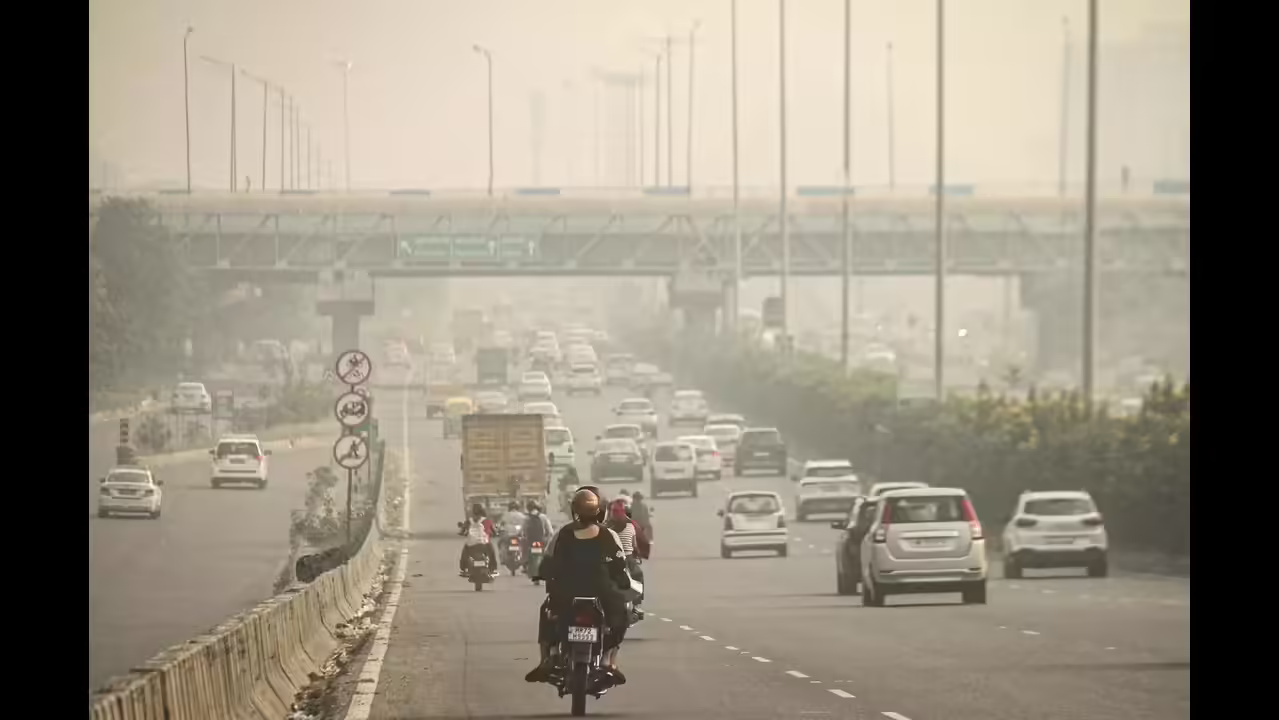
Mumbai is set to experience another clear and stable winter day, with sunny skies and seasonally warm temperatures shaping midweek conditions across the city. While the absence of rain and steady coastal winds support outdoor activity and smooth daily commutes, persistently poor air quality continues to underline the environmental challenges facing India’s financial capital.
Daytime temperatures are expected to rise to the high twenties, easing to the low twenties by nightfall. These conditions fall within the city’s typical January range, offering relief from humidity while maintaining comfortable warmth. Visibility is forecast to remain good across most parts of the metropolitan region, benefiting road travel and marine operations along the coastline. However, urban air quality remains a concern. Mumbai’s Air Quality Index has continued to hover in the “Poor” category, driven largely by fine particulate matter associated with traffic congestion, construction activity, and dust accumulation. Environmental analysts note that winter temperature inversions during early morning hours often trap pollutants close to the surface, leading to higher exposure risks before daytime winds disperse emissions.
Urban planners and public health experts highlight that weather stability alone does not guarantee cleaner air. Without rainfall to naturally wash away particulates, cities like Mumbai remain dependent on wind patterns, emission controls, and urban design interventions to improve daily air conditions. The city’s dense transport network and ongoing infrastructure expansion continue to test the balance between economic growth and environmental resilience. From a civic perspective, the combination of pleasant weather and degraded air quality creates uneven experiences across neighbourhoods. Coastal and greener zones typically benefit from better airflow, while areas near arterial roads, transit hubs, and active construction sites often see elevated pollution levels. This disparity reinforces the need for more equitable urban planning, particularly around open spaces, street design, and non-motorised mobility.
Health professionals advise residents, especially children, seniors, and those with respiratory conditions, to remain mindful of outdoor exposure during peak traffic hours. Late morning and early evening periods tend to offer relatively improved air dispersion, making them more suitable for exercise and outdoor errands. Mask use in high-congestion zones is increasingly viewed as a practical short-term adaptation rather than an exception. Looking ahead, Mumbai’s weather outlook suggests continued dry and sunny conditions through the week, with only modest fluctuations in temperature. While this consistency supports economic activity, tourism, and construction schedules, it also places pressure on civic agencies to manage dust control, traffic emissions, and roadside greenery more effectively.
As Mumbai navigates another winter of stable skies and strained air quality, the broader question remains how quickly urban infrastructure, transport systems, and environmental governance can align with long-term climate resilience goals. The coming months will test whether cleaner air can become as predictable as the city’s January sunshine.
Mumbai Warm January Day Highlights Air Quality Gap