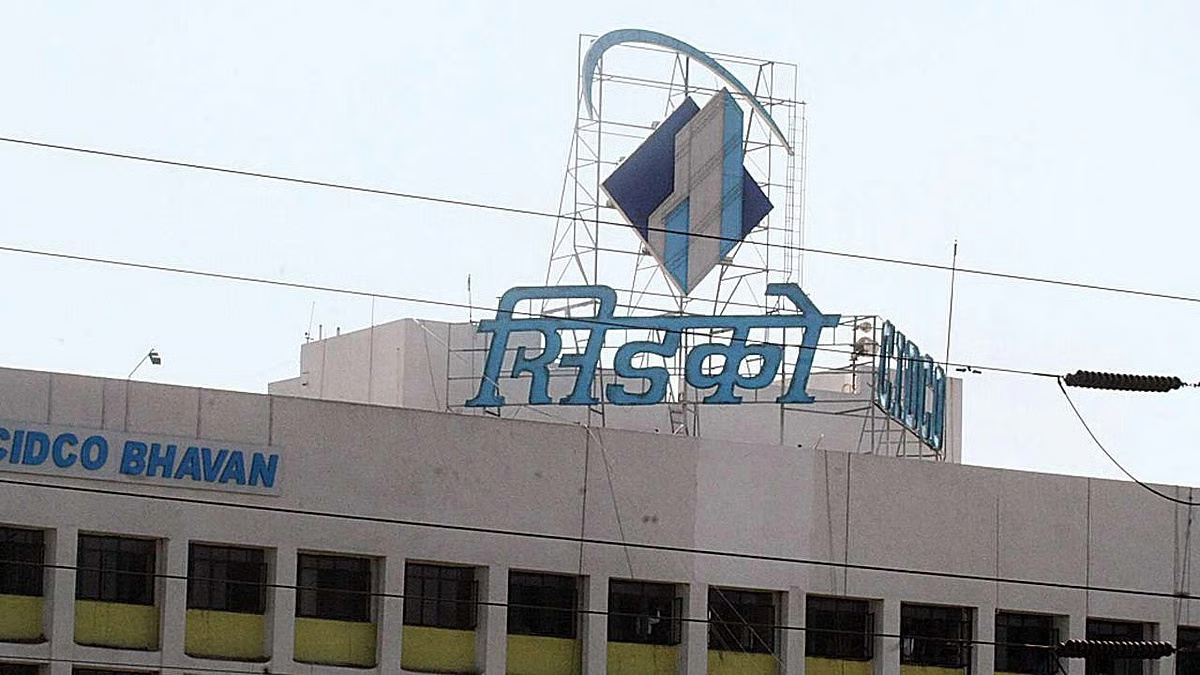
The Maharashtra cabinet has sanctioned the allotment of a 3.6-acre parcel in Ulwe, Navi Mumbai, to the Tirumala Tirupati Devasthanams (TTD) for the construction of a Sri Padmavathi Ammavari Temple. The decision, taken at a cabinet meeting on January 17, includes a symbolic rate of ₹1 per square metre and a waiver of related land charges, formalising months of deliberation over the proposal.
Located in Sector 12, the plot lies within a rapidly developing node under the City and Industrial Development Corporation (CIDCO), strategically close to the Navi Mumbai International Airport and the Mumbai Trans-Harbour Link. CIDCO officials noted that the allotment aligns with earlier decisions granting nominal land to TTD for religious projects in Mumbai, including Bandra and Kherwadi, reinforcing a pattern of concessional allocations for non-commercial spiritual institutions. Urban planning experts observe that such allotments carry both civic and economic implications. “Land in Ulwe has appreciated sharply due to airport and transport-linked development,” said a senior urban planner. “The presence of a large religious institution could generate steady footfall, supporting local commercial activity and religious tourism while shaping land-use patterns in this emerging node.”
TTD plans to construct the temple following traditional Dravidian architectural principles, incorporating elements like a grand rajagopuram, sanctum vimana, and multiple mandapams, using granite as the primary material. The project intends to provide devotees in the Mumbai Metropolitan Region year-round access to worship without travelling to Andhra Pradesh, reflecting a growing trend of decentralising cultural and religious infrastructure to suburban nodes. Environmental considerations have been factored into the design. Ulwe’s coastal setting posed ecological concerns, particularly regarding mangrove conservation and flood risk. Officials confirmed that the National Green Tribunal had dismissed challenges after the trust committed to confining permanent structures to non-CRZ zones and adopting an elevated plinth for flood mitigation.
The cabinet decision illustrates the delicate balance between urban growth, land allocation policy, and public interest in high-value urban nodes. By approving the allotment, the government has leveraged policy precedents to facilitate civic infrastructure with cultural significance while retaining oversight of planning norms and environmental safeguards. CIDCO is expected to issue the formal allotment letter shortly, enabling the TTD to initiate detailed architectural and construction planning. The project underscores the growing integration of transport-linked development with cultural infrastructure in Navi Mumbai, signalling broader trends in suburban urbanisation and the role of strategic land management in fostering civic and economic value.
CIDCO Clears Ulwe Plot For Sri Padmavathi Temple