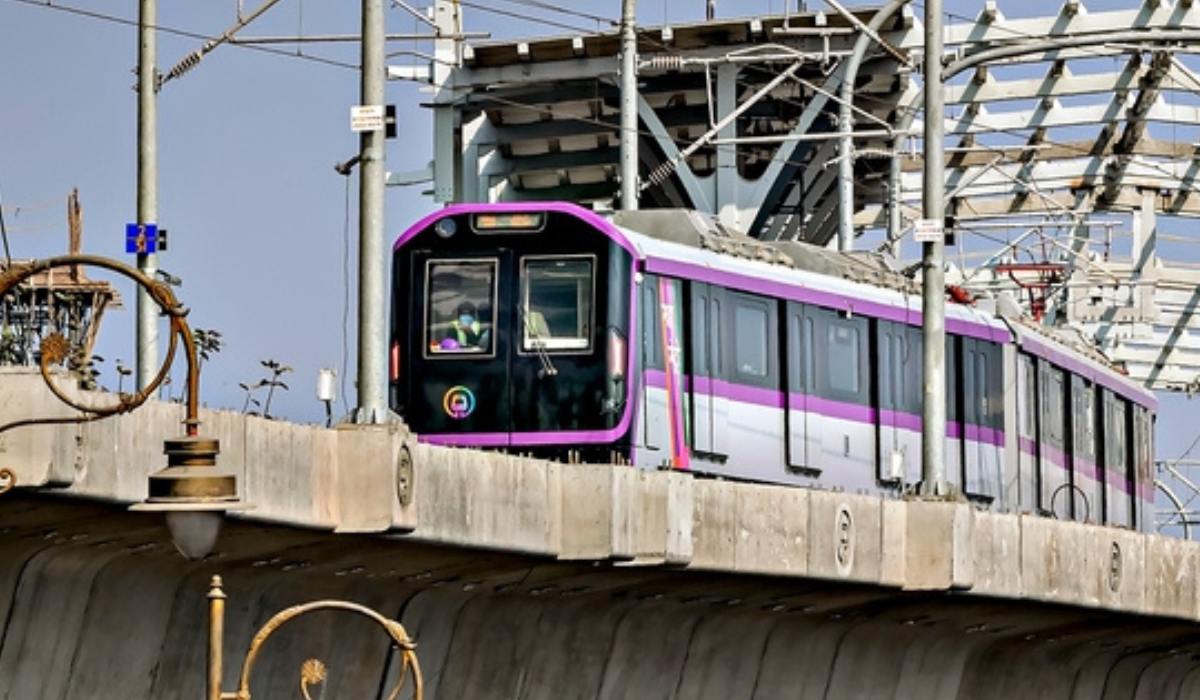
Mumbai’s expanding metro network is set to cross a significant regional threshold next month, with services on Metro Line 9 expected to begin operations between the city’s northern suburbs and the fast-growing Mira-Bhayandar urban belt. The corridor, which connects Dahisar in Mumbai to residential and commercial clusters in neighbouring Thane district, marks a critical step towards integrating peripheral towns into the metropolitan transport system.
According to a senior state official overseeing transport and urban infrastructure, the line is nearing operational readiness following final system checks and safety approvals. Once operational, Mumbai Metro Line 9 is expected to provide a high-capacity, low-emission alternative to road-based travel for thousands of daily commuters who currently rely on overcrowded arterial roads and buses to access employment centres in Mumbai. Urban planners view the corridor as strategically important because it extends rapid transit beyond municipal boundaries, acknowledging the reality that housing growth has long outpaced transport infrastructure in satellite towns. Mira-Bhayandar has emerged as a major residential destination due to relative housing affordability, but limited east-west and north-south connectivity has placed pressure on both local roads and the suburban rail network.
Mumbai Metro Line 9 is designed to integrate with existing metro corridors in the western suburbs, enabling seamless transfers and reducing travel times between peripheral neighbourhoods and business districts. Transport experts note that such network effects are essential for shifting commuters away from private vehicles, a move that directly supports long-term climate resilience goals by lowering congestion and transport-related emissions. Alongside the metro rollout, state authorities have also outlined plans to accelerate upgrades to local road infrastructure in Mira-Bhayandar, with a focus on converting major stretches into durable concrete roads over the next two years. While road strengthening is intended to improve last-mile access and monsoon resilience, mobility specialists caution that road expansion must complement, not compete with, mass transit investments.
“The real benefit of Mumbai Metro Line 9 will depend on how well feeder services, walkability and cycling infrastructure are planned around stations,” said an urban transport analyst. “If executed holistically, this corridor can reshape daily mobility patterns and reduce dependence on long car commutes.” The metro’s arrival is also expected to influence real estate dynamics across the northern corridor. Developers and housing analysts anticipate renewed interest in transit-oriented development near stations, potentially supporting more compact, mixed-use neighbourhoods if guided by responsible planning norms. However, experts stress the importance of inclusive zoning and adequate civic amenities to prevent unbalanced growth.
As Mumbai’s metro footprint expands deeper into the metropolitan region, the launch of Mumbai Metro Line 9 signals a shift towards recognising the city-region as a single economic and mobility unit. The coming months will test how effectively new infrastructure can translate into everyday improvements for commuters, while aligning growth with sustainability and equity objectives.
Mumbai Metro Line 9 begins February linking Dahisar Mira Bhayandar