


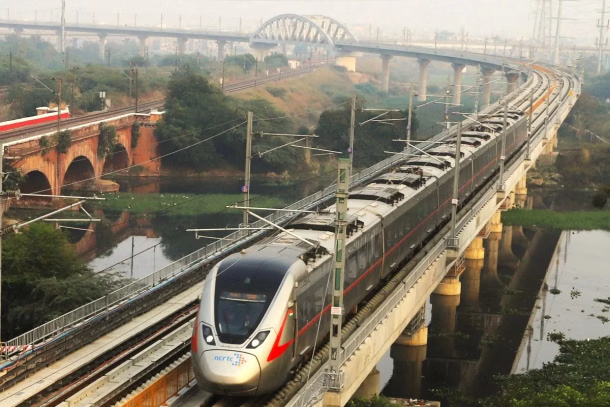
The Delhi-NCR region is on the cusp of a transformative shift in urban mobility and residential dynamics with the proposed Namo Bharat Regional Rapid Transit System (RRTS) corridor linking Gurugram, Faridabad, and Noida. The Rs 15,000-crore project, now cleared in its Detailed Project Report (DPR) by the NCR Transport Corporation, will be largely elevated and high-speed, reducing travel times between these cities to under an hour. This connectivity upgrade is expected to influence housing demand, pricing patterns, and long-term investment sentiment across the NCR.
For Faridabad, the corridor represents a structural inflection point. Historically overshadowed by Gurugram and central Noida, the city has been perceived as peripheral due to limited transit links. The RRTS promises to reposition Faridabad as a prime residential option, offering families larger, better-planned homes, access to green spaces, and modern amenities without sacrificing proximity to employment hubs. Market experts note that the combination of affordability and high-speed connectivity could redefine local housing preferences, particularly among end-users seeking long-term value. Developers with significant land holdings in Faridabad are already preparing to leverage this infrastructure-driven momentum. Well-established firms are focusing on amenity-rich, community-oriented housing designed to meet modern lifestyle expectations while ensuring compliance with regulatory and sustainability standards. Analysts emphasise that transit-linked projects historically attract robust buyer interest, supporting both residential and ancillary commercial development, including retail, office, and flexible workspaces.
The corridor’s integration with Gurugram’s existing infrastructure NH-8, Dwarka Expressway, Metro lines, and the Southern Peripheral Road will expand residential catchment areas for corporate hubs, allowing professionals to live in Faridabad or Noida while commuting efficiently to Gurugram. Similarly, Noida and Greater Noida are likely to see enhanced demand for mid- and upper-mid-income housing, as improved travel reliability enables buyers to prioritise affordability and lifestyle over proximity alone. Beyond individual city benefits, the RRTS corridor is expected to foster a more balanced real estate cycle across the NCR, driven by infrastructure quality, governance, and planning standards. Urban planners highlight that such transit projects not only accelerate mobility but also catalyse organised, sustainable urban expansion, encourage mixed-use development, and support inclusive economic growth.
As the corridor moves closer to execution, real estate stakeholders anticipate that connectivity, credible delivery, and design-focused planning will become the primary drivers of residential demand. Faridabad, with its affordable positioning and now-enhanced accessibility, stands out as a potential growth hotspot, exemplifying how major transit investments can reshape urban markets while delivering long-term social and economic benefits.
Also Read: Bengaluru Prestige Group Eyes Office REIT Expansion
Namo Bharat RRTS Spurs Growth Across NCR Cities
