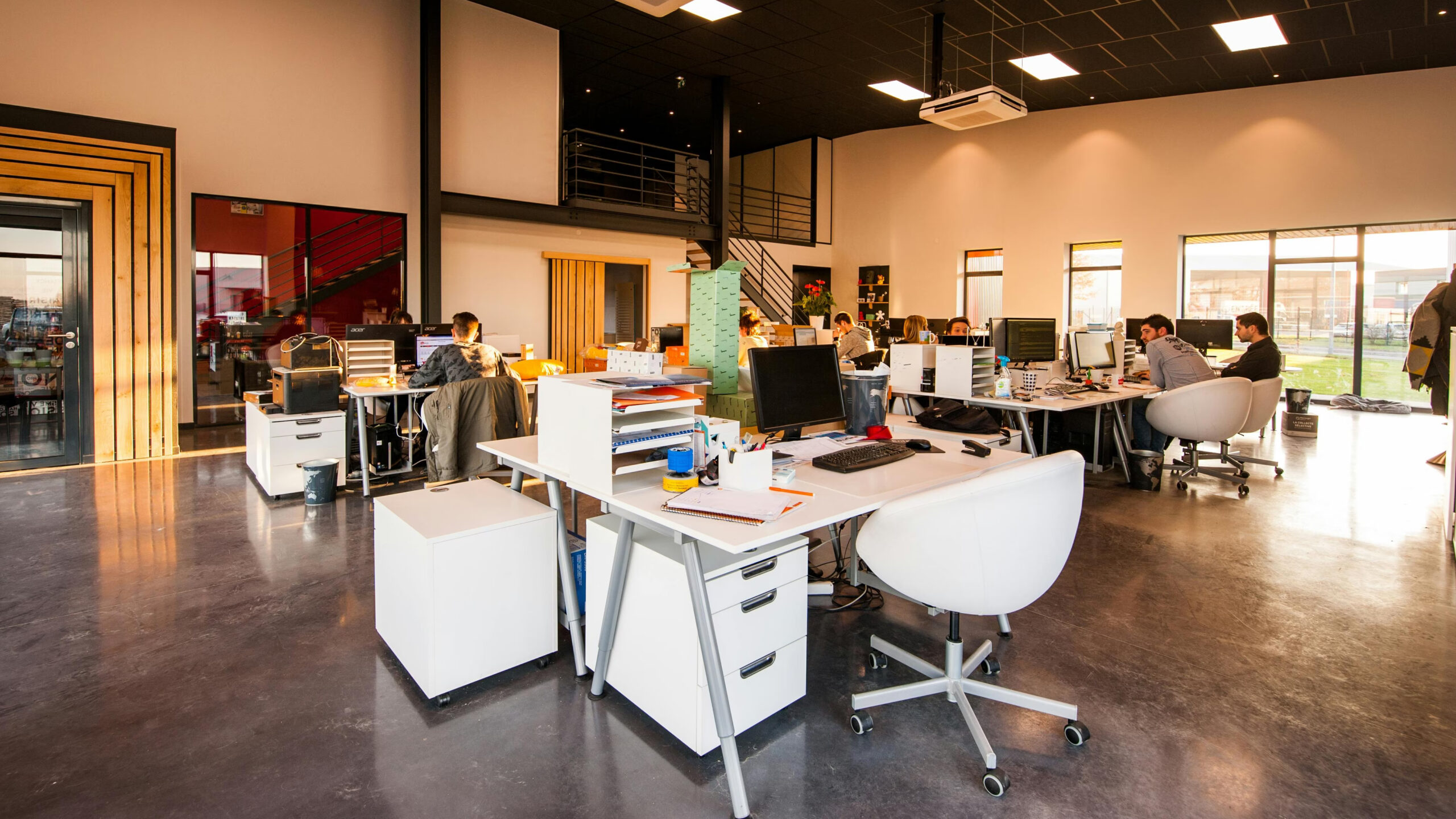
Mumbai-based real estate developer House of Hiranandani has entered the flexible workspace segment with a pilot co-working centre at Powai, signalling a strategic shift in how established developers are responding to evolving office demand in India’s largest commercial market. The initial facility, located within the Hiranandani Gardens township, marks the group’s first operational step into managed office spaces amid changing work patterns and rising demand for adaptable commercial real estate.
Industry sources indicate the pilot currently offers 160 workstations, with scope for expansion to around 500 seats within the same property. Rather than following a conventional long-term leasing model, the developer has opted to test flexible formats that prioritise shorter commitments, shared infrastructure, and operational efficiency. Urban planners note that such models reduce vacancy risk while making better use of underutilised built assets in dense city precincts. The move reflects broader structural changes underway in Mumbai’s office market, particularly in decentralised hubs such as Powai, Andheri, and Thane. As companies rebalance hybrid work policies, demand is shifting away from large, single-tenant offices towards scalable spaces that can expand or contract with workforce needs. Flexible offices are increasingly viewed as a bridge between remote work and traditional commercial real estate.
According to people familiar with the company’s plans, additional properties across the Mumbai Metropolitan Region may be evaluated for similar conversions, depending on the performance of the Powai pilot. This approach aligns with a growing trend among large developers who are reassessing how mixed-use townships can support employment closer to residential clusters, reducing commute distances and associated carbon emissions. The entry into co-working also complements the developer’s ongoing commercial pipeline. In late 2025, the company announced a significant investment towards a new office development in Andheri East, reinforcing its long-term commitment to Mumbai’s business districts. With several million square feet of office space already under management across the region, flexible workspaces are emerging as an extension rather than a departure from its core commercial strategy.
Market analysts point out that India’s flex office sector is projected to expand rapidly over the next two years, driven by technology firms, startups, and Global Capability Centres seeking agility and cost predictability. Mumbai, while traditionally dominated by conventional leases, is now witnessing stronger adoption as landlords adapt to occupier expectations around sustainability, amenities, and mobility access. From an urban development perspective, flexible offices embedded within established townships offer potential civic benefits. By integrating workspaces with housing, retail, and public transport, such developments can ease peak-hour congestion and support more balanced neighbourhood economies. As Mumbai continues to densify, adaptive reuse of commercial space is expected to play a growing role in shaping resilient, people-centric business districts.
House of Hiranandani Expands Into Flexible Workspaces