


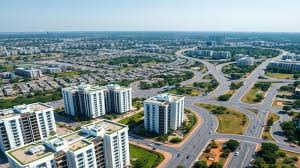
Mumbai Metropolitan Region (MMR) maintained its dominance in Maharashtra’s residential real estate market in 2025, registering 2,119 of the state’s total 4,282 new housing projects, according to industry sources. This concentration of development activity underscores MMR’s continued attractiveness to developers, investors, and end-users, driven by rapid urbanisation and large-scale infrastructure initiatives.
The Pune Region followed with 1,361 project registrations, led by Pune city itself, which contributed 1,144 developments. Other key contributors included Thane (675), Mumbai Suburban (587), Raigad (384), and Mumbai City (103). Smaller cities such as Nashik, Nagpur, and Palghar recorded 283, 281, and 258 projects, respectively, reflecting broader expansion beyond traditional urban hubs. Industry observers attribute MMR’s sustained lead to a combination of infrastructure-driven growth and high demand for residential real estate. Major projects, including the Navi Mumbai International Airport, coastal road developments, metro network expansions, and expressways connecting Mumbai with Delhi, Bengaluru, and Nagpur, have strengthened connectivity and boosted land value across the region. Analysts note that these improvements have also spurred interest from IT, healthcare, and education sectors, which increasingly anchor new micro-markets in and around MMR. “Strategic infrastructure investments and enhanced accessibility are key factors encouraging developers to prioritise MMR,” said a senior real estate analyst. “The region benefits from strong demand for both mid-segment and premium housing, supported by corporate relocations and sustained population growth.”
Pune and other peripheral cities are also emerging as development hotspots, driven by affordable land prices, better urban planning, and proximity to IT and industrial corridors. However, MMR continues to offer unparalleled returns due to dense population, established social infrastructure, and investor confidence, making it the preferred choice for high-volume residential projects. The surge in project registrations reflects broader confidence in Maharashtra’s real estate market, following a stabilisation in housing demand and increased participation from both institutional investors and domestic developers. Analysts highlight that upcoming infrastructure corridors, such as dedicated rail links and highway expansions, are expected to further diversify residential development patterns, with Mumbai, Thane, and Navi Mumbai remaining central nodes.
As 2026 approaches, Maharashtra’s real estate sector appears poised for continued growth, underpinned by urbanisation, policy support, and infrastructure-led connectivity. For buyers, developers, and investors, MMR remains the benchmark for strategic residential investments, while peripheral cities offer opportunities for emerging market entries. The pattern underscores the importance of infrastructure as a primary driver in shaping India’s urban housing landscape.
Also Read: CEPT University launches MBA in real estate and urban planning
Mumbai region dominates Maharashtra housing project registrations
