Maharashtra Atal Setu EV Toll Relief And Housing Boost
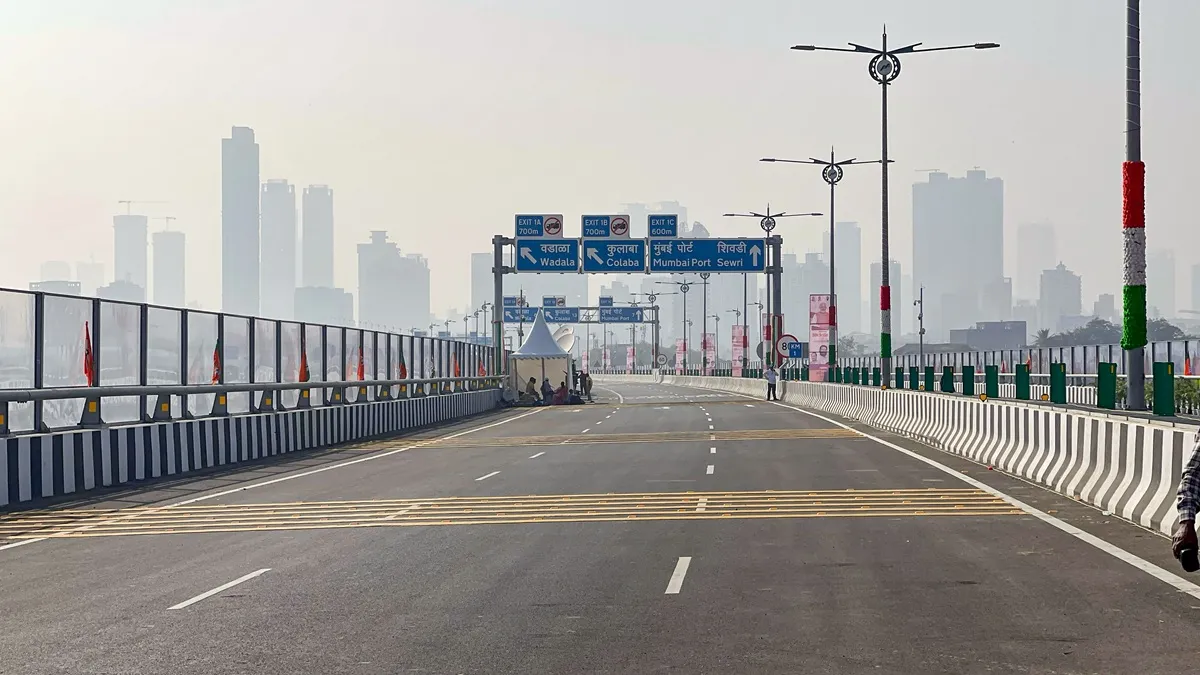
In a decisive policy push following a resounding civic poll victory, the Maharashtra cabinet on Saturday approved a set of measures aimed at easing commuter costs, expanding urban housing stock, and accelerating transport and logistics infrastructure statewide. The most immediate impact comes from extending toll relief for electric vehicles (EVs) on the Atal Setu corridor for another year — a move that could reshape commuter behaviour and reinforce the state’s climate-oriented transport strategy. These decisions signal a broader intent by policymakers to balance electoral momentum with long-term urban development and economic opportunity.
Extending the EV toll exemption on the Sewri–Nhava Sheva sea link — one of Mumbai’s most strategic connectors — is not just a short-term relief for electric vehicle users but a practical incentive to accelerate the adoption of cleaner transport. By maintaining zero tolls for EVs for another year, the state government is essentially underwriting lower operational costs for EV owners while nudging motorists to shift from internal-combustion vehicles in dense urban corridors. Urban mobility analysts suggest that such pricing signals are essential in high-growth cities grappling with air quality challenges and transport congestion. Beyond commuter incentives, the cabinet green-lit a set of projects with broad implications for housing and urban logistics. A large-scale housing township to deliver roughly 45,000 homes for police personnel in Mumbai and its suburbs was approved, underscoring persistent gaps in workforce housing within high-cost real estate markets. Experts note that secure, affordable housing for essential service workers — including law enforcement — enhances city resilience and supports equitable access to economic participation.
On the transport front, authorities also ratified revised cost estimates and state funding shares for the Mumbai Urban Transport Project (MUTP-2), which aims to bolster suburban rail networks and improve urban mobility. Strengthening rail infrastructure is widely viewed as a cornerstone for decongesting Mumbai’s road networks and enabling sustainable commuting across the metropolitan region. In Pune, the cabinet sanctioned the acquisition of 1,000 electric buses under the national PM e-Drive scheme, with streamlined direct payments from city transport agencies to bus suppliers. This procurement framework is expected to fast-track fleet electrification and reduce dependence on fossil fuels in public transport. The state also approved a multi-modal hub for fruits and vegetables in Thane district, allocating nearly eight hectares for export-linked cold storage and processing facilities. Such logistics investments are seen as vital to lowering post-harvest losses, improving supply chain efficiency, and generating rural–urban economic linkages.
While these policy steps reflect immediate political capital post-elections, the broader implications hinge on implementation discipline, fiscal sustainability and citizen uptake. For urban planners and climate advocates, the extended EV incentives and integrated transport investments offer a testing ground for scalable, low-carbon mobility solutions. Continued transparency on project timelines and measurable service outcomes will be central to translating ambition into resilient urban progress.