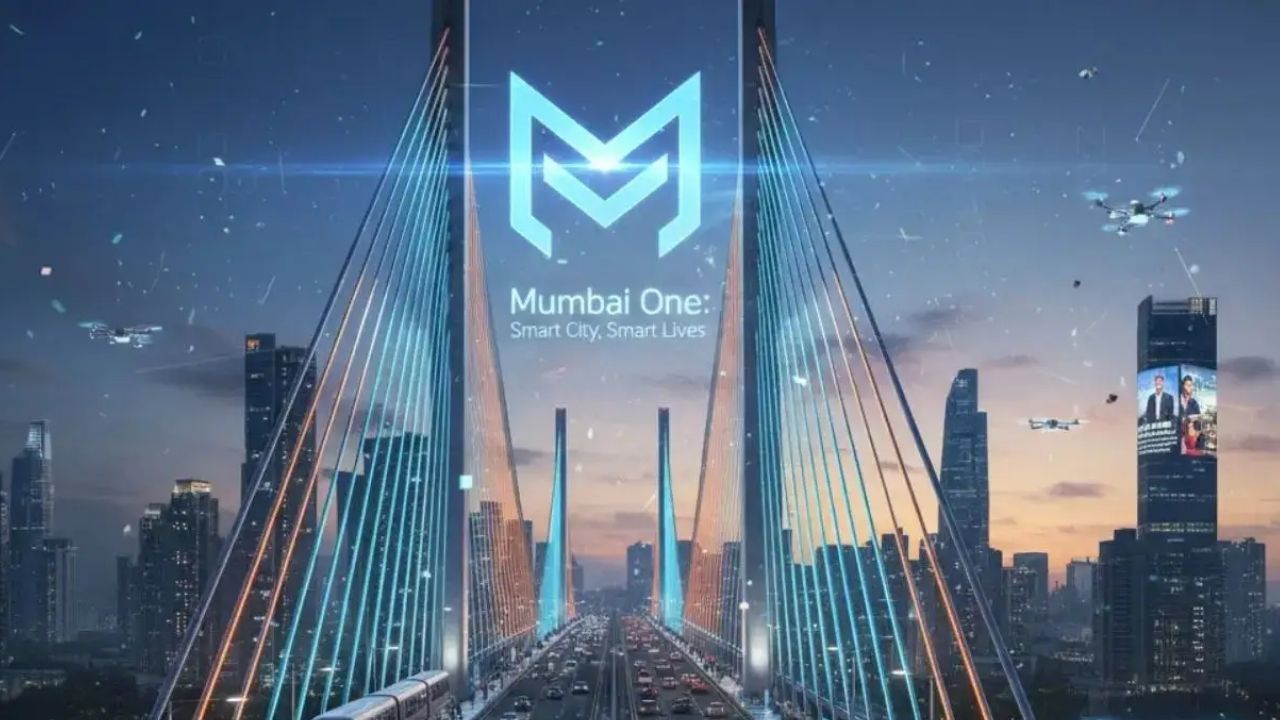
Mumbai’s public transport ecosystem is undergoing a quiet but consequential transformation. With the rollout of the Mumbai One App, the metropolitan region has moved closer to a unified digital mobility system that allows commuters to plan, book and pay for journeys across multiple modes through a single platform. The change marks a decisive shift in how India’s largest urban agglomeration manages mobility, congestion and commuter experience.
Over the past three years, Mumbai’s metro network has steadily reduced its reliance on paper-based tickets, replacing them with a mix of digital tools that now account for the majority of daily transactions. Senior officials overseeing metro operations indicate that more than two-thirds of tickets on newer metro corridors are now purchased digitally, reflecting a behavioural change driven by ease of access rather than compulsion. This transition has eased pressure at station counters, improved passenger flow during peak hours and reduced the operational burden associated with printing and managing physical tickets. The Mumbai One App builds on this foundation by integrating metro lines, suburban rail networks, bus services and the monorail into a single digital interface. Urban transport planners note that this level of integration addresses one of Mumbai’s long-standing mobility challenges: fragmented travel across multiple operators with different ticketing systems. By enabling multi-modal journeys through one transaction and a common digital wallet, the platform reduces friction for daily commuters while encouraging greater use of public transport over private vehicles.
Operational data from metro authorities suggests that digital ticketing has also delivered tangible system-level benefits. Reduced cash handling has lowered revenue leakages, while NFC-based validation has improved gate throughput and reduced wear on fare collection equipment. These efficiencies translate into lower per-trip operating costs, freeing up resources for service improvements rather than administrative overheads. From a sustainability perspective, the reduction in paper consumption and station congestion aligns with broader goals of lowering the environmental footprint of urban transport infrastructure. The behavioural impact may be the most significant outcome. Transport analysts observe that commuters are more likely to adopt public transport when journeys feel predictable, simple and time-efficient. Familiar digital platforms, including messaging-based ticketing and app-based planning tools, have shortened decision-making time and reduced the stress associated with multi-leg travel. For women, elderly passengers and first-time users, fewer queues and clearer travel information contribute to a safer and more inclusive commuting environment.
Looking ahead, officials indicate that additional feeder services and intermediate mobility options are expected to be integrated into the Mumbai One App. If implemented effectively, this could strengthen first- and last-mile connectivity, a critical gap in Mumbai’s transport network. As Indian cities grapple with congestion, emissions and equitable access, Mumbai’s experiment suggests that digital integration, when paired with reliable infrastructure, can reshape not just how people travel, but how cities function.
Mumbai One App Redefines Everyday Urban Travel