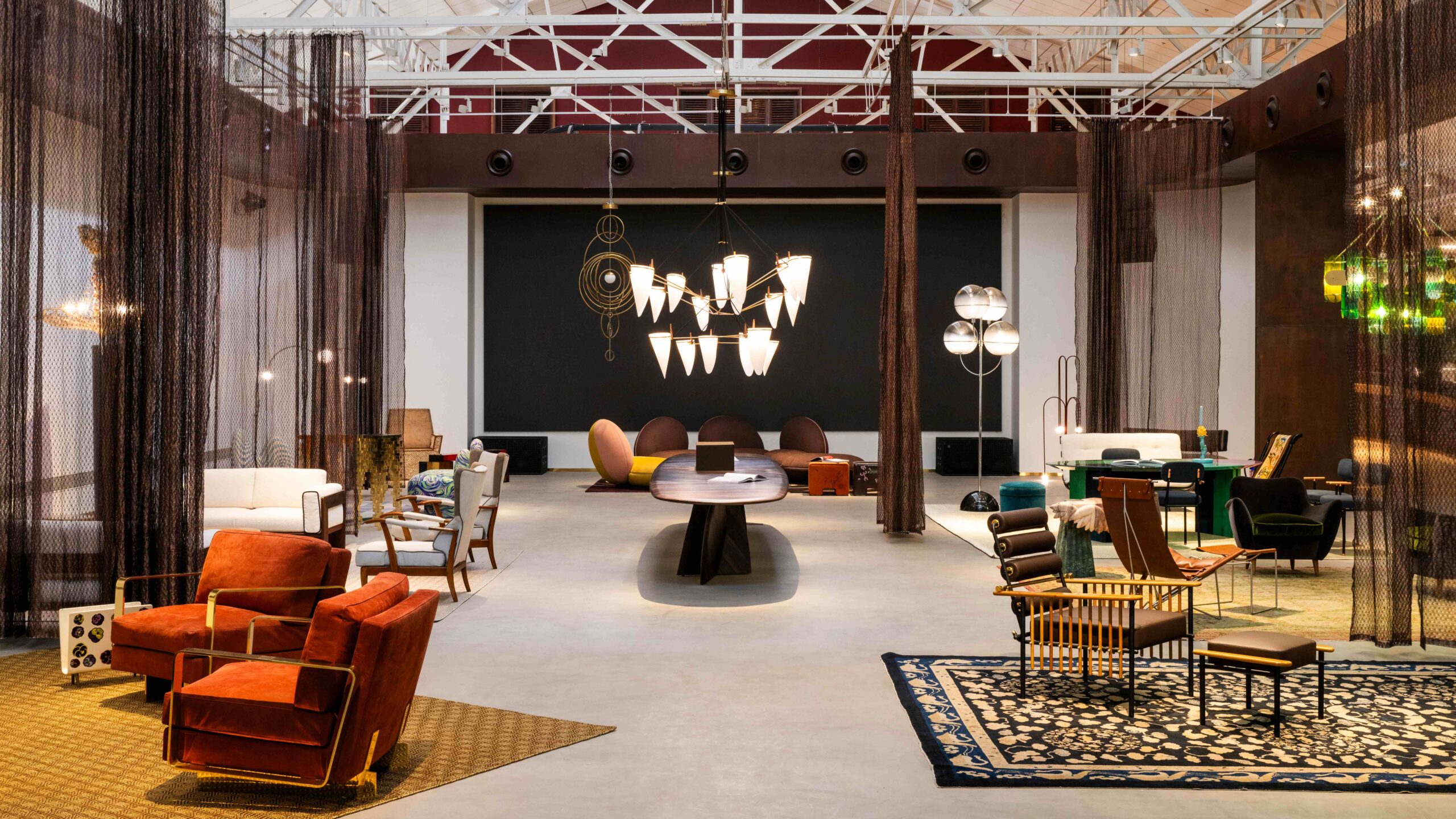
A year after its launch in Lower Parel, Nilaya Anthology has emerged as a defining design hub in Mumbai, reshaping how interiors, craft and global design intersect in India’s largest metropolis. More than a retail space, the 100,000‑square‑foot destination blends international and Indian creative expression, aligning with broader shifts in how cities curate public experiences, cultural infrastructure and design‑led economic activity.
Situated in what was once a mill district — now a focal point for office, retail and cultural ventures — Nilaya Anthology reflects a strategic vision to make the built environment more expressive and experiential. Unlike conventional showrooms, it operates as a hybrid space that integrates curated exhibits, design galleries, co‑working zones, cultural programming and material libraries, attracting architects, designers, developers and urban residents alike. The ambition behind Nilaya Anthology goes beyond product display. Its creative direction emphasises design as a continuous dialogue, inviting visitors to explore layered narratives of craft, heritage and contemporary form. Industry planners view this as part of a larger trend in India’s interior and architectural sectors: moving from transactional retail toward immersive environments that educate, inspire and shape design thinking.
A spatial narrative conceived by design leadership positions the Anthology as a place of discovery rather than linear consumption. Multiple installations and cross‑cultural juxtapositions showcase the diversity of artistic practices — from vintage European pieces to Indian craft traditions — within a single contingent experience. These cross‑currents align with urbanisation patterns in global cities where diversity of form and function often accelerates local cultural economies. For Mumbai’s urban fabric, which increasingly blends commercial development with lifestyle and creative sectors, Nilaya Anthology offers a model of how built spaces can serve both economic and societal functions. As global design players engaged with Indian partners at the venue, the space has become a nexus for design exchange rather than a passive showroom. This has drawn attention from local designers and international brands alike, reinforcing Mumbai’s evolving identity as a design capital.
The integration of co‑working areas and event programming has broadened the destination’s appeal, turning everyday urban spaces into platforms for cultural dialogue. These formats help bridge designers with clients, community groups, students and creative professionals, fuelling a sense of ownership and participation in the city’s evolving visual and material culture. From a sustainability perspective, Nilaya Anthology’s layered approach to design underscores a shift towards slower, more curated consumption — a counterpoint to fast‑moving retail trends. The emphasis on craftsmanship, curated materials and long‑lasting objects resonates with climate‑aware design practices prioritising durability and cultural continuity.
Looking ahead, the challenge for such initiatives will be balancing curated experiences with accessibility. As Mumbai’s real estate and lifestyle sectors continue to grow, integrating creative destinations like Nilaya Anthology into broader urban planning frameworks could enhance public engagement with design, heritage and sustainable material culture while strengthening the city’s creative economy.