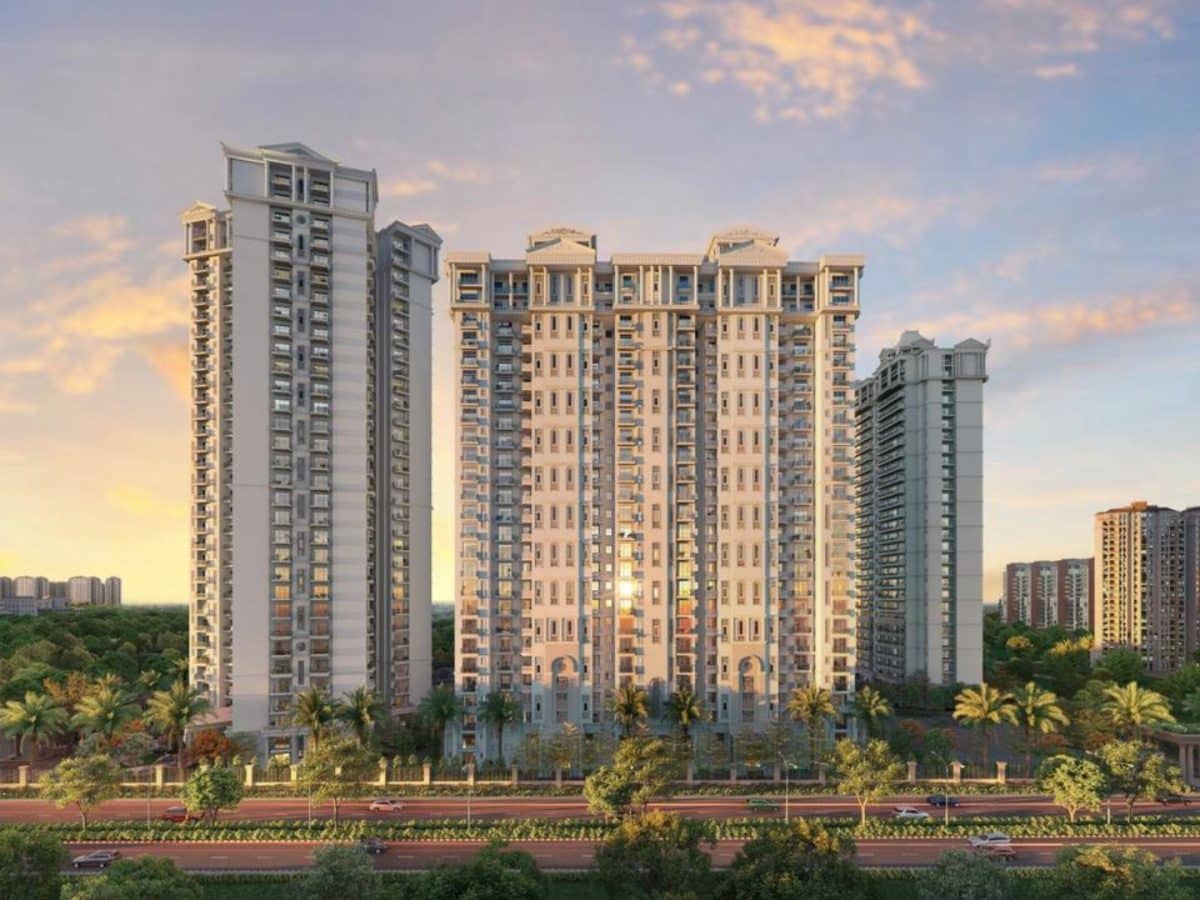
India’s real estate landscape is seeing a notable shift as an engineering-led infrastructure firm moves into residential development, signalling a growing convergence between built-environment performance and housing design. BOOTES, known for its work in energy-efficient and net-zero engineering solutions, has announced its entry into the housing sector with a residential portfolio valued at over ₹6,300 crore, marking a strategic expansion beyond its traditional infrastructure focus.
The move reflects a broader recalibration within urban housing markets, particularly in northern India, where environmental stressors such as deteriorating air quality, water scarcity, and rising energy costs are increasingly shaping buyer preferences. Industry experts note that homebuyers are no longer assessing projects solely on location and aesthetics, but also on long-term health outcomes, operating costs, and resilience to climate pressures. BOOTES’ residential platform is anchored in applying engineering systems typically reserved for large commercial or institutional buildings to private housing. According to officials familiar with the company’s plans, its developments are being designed to maintain consistently low indoor air pollution levels through controlled ventilation, filtration systems, and energy-efficient building envelopes. Similar engineering-led approaches are being used to monitor water usage in real time and reduce dependence on grid electricity through centralised energy systems.
Initial projects are underway across parts of the National Capital Region and neighbouring states, including Noida, Alwar, and Vrindavan. Together, these developments span more than six million square feet of planned residential space, with a mix of larger family homes and mid-sized apartments. In Noida, projects are located in established residential sectors that are already seeing improved metro connectivity and social infrastructure, while Alwar marks a push into emerging Tier-II cities where demand for quality housing is rising alongside industrial and tourism growth. Urban planners view this expansion as part of a larger trend where technical expertise is increasingly influencing real estate outcomes. As cities grapple with heat stress, air pollution, and infrastructure overload, engineering-driven housing models could help reduce environmental impact while improving liveability. However, analysts caution that such models must remain accessible beyond premium segments if they are to contribute meaningfully to inclusive urban growth.
BOOTES has indicated plans to scale this residential vertical into multiple cities, including large metros and culturally significant regional centres. The company’s approach aligns with a growing policy emphasis on climate-resilient construction and lower lifecycle emissions in the housing sector. If executed consistently, such projects could set new benchmarks for accountability in residential development, particularly around measurable performance rather than marketing-led sustainability claims. As India’s cities expand, the success of this transition from infrastructure engineering to housing will be closely watched by regulators, investors, and urban authorities alike. The next phase will test whether engineering-first residential models can be delivered at scale while balancing affordability, environmental responsibility, and long-term urban resilience.
India BOOTES Steps Into Residential Development Space