Mumbai Radar Relocation Frees Land For Development
Mumbai’s urban development landscape may be poised for a pivotal shift after the Airports Authority of India (AAI) received administrative approval to relocate the city’s high‑frequency aviation radar from Dahisar to Gorai, a decision that could unlock hundreds of acres of land for redevelopment and housing in north Mumbai. The move, confirmed by state and central authorities, responds to long‑standing constraints imposed by aviation infrastructure on local construction and could recalibrate redevelopment potential in the city’s growing suburbs.
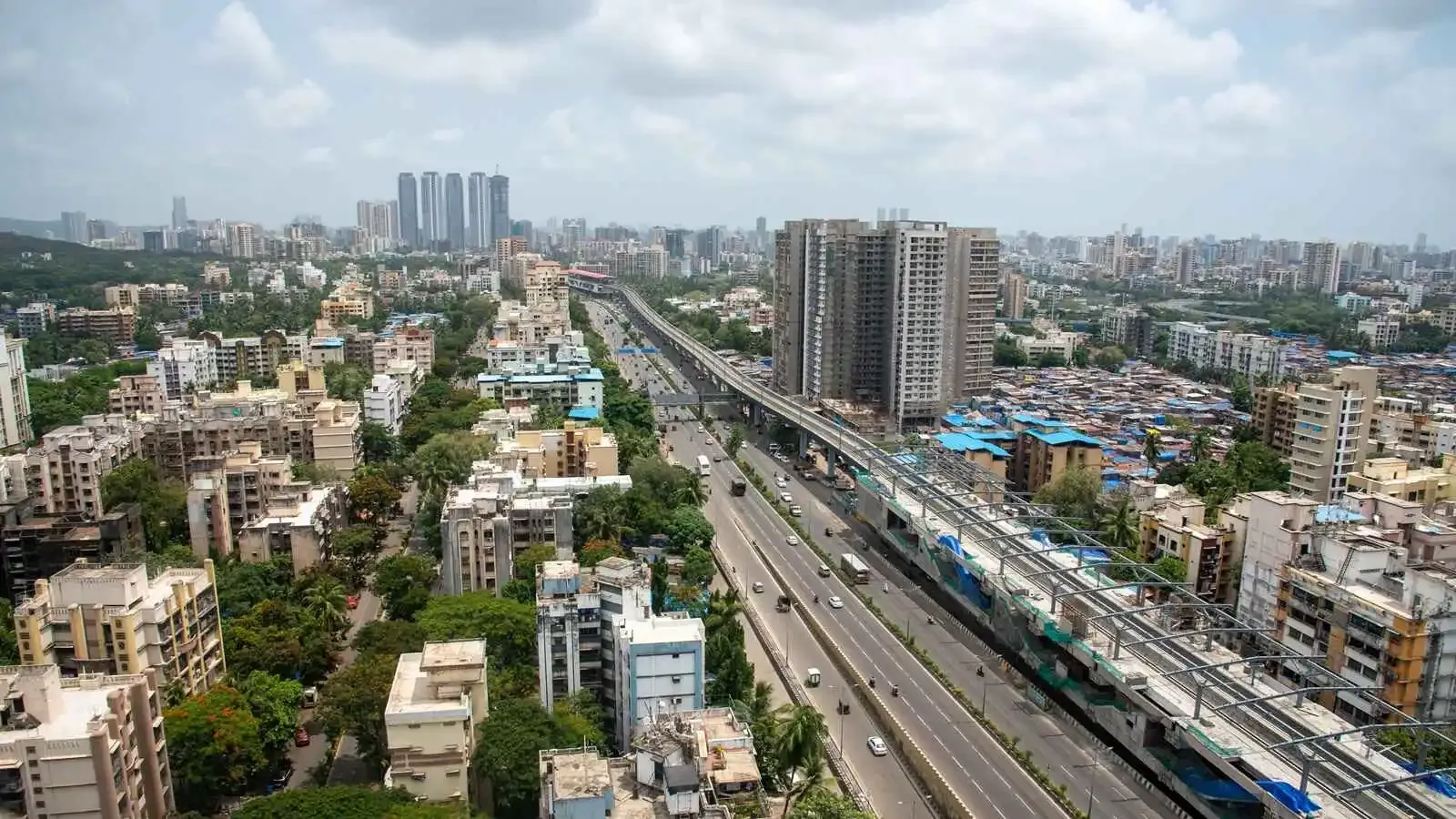
For decades, the radar installation in Dahisar — critical for monitoring aircraft movements in one of Asia’s busiest airspaces — has concurrently imposed stringent height and construction restrictions over neighbouring neighbourhoods, inhibiting residential redevelopment and commercial expansion. By relocating this key asset to Gorai, planners aim to lift these constraints, freeing up land for urban renewal and planned housing projects at a time when Mumbai’s housing affordability crisis remains acute. Urban planners and real estate analysts stress that availability of developable land within the city’s suburbs is a rare commodity; removing encumbrances such as aviation‑induced height limits can shorten project timelines and reduce costs for both developers and future residents. With estimates suggesting that around 1,000 acres could be repurposed once radar facilities and associated regulated zones are relocated, the decision has immediate implications for affordable housing supply, construction jobs and local economic activity.
The relocation plan is backed by the Maharashtra government, which has agreed to provide alternate land in Gorai and cover the costs associated with the transition. Civil aviation officials and state authorities have met to align technical, safety and regulatory requirements, underscoring that aviation surveillance and air traffic management standards will be maintained throughout and after the move. However, the proposal has also drawn attention from aviation safety stakeholders, who emphasise that radar systems are integral to Mumbai’s complex flight operations and any relocation must preserve coverage quality and response reliability. Ensuring that the new Gorai site meets international safety norms will be essential to maintain uninterrupted airspace oversight while enabling urban redevelopment.
Economically, freeing up large, centrally located parcels can catalyse private and public sector investment. Developers see potential for mixed‑use growth nodes, combining housing, commercial space and civic amenities, while civic authorities view the opportunity to introduce green corridors, community infrastructure and transit‑oriented development that aligns with Mumbai’s sustainability goals. For residents who have long awaited modern housing and improved neighbourhoods, the radar relocation could unlock projects stalled by regulatory and technical barriers. Yet realising this potential will require coordinated planning, expedited clearances and safeguards to ensure that redevelopment meets the needs of existing communities without exacerbating displacement or environmental strain.
As Mumbai prepares for a new chapter of urban renewal, the coming months should reveal how fast planning intentions convert into construction milestones — and whether this infrastructure‑led intervention can help bridge the city’s housing and development gaps sustainably.