Bengaluru Faces Suburban Water Stress as Cauvery Project Stalls
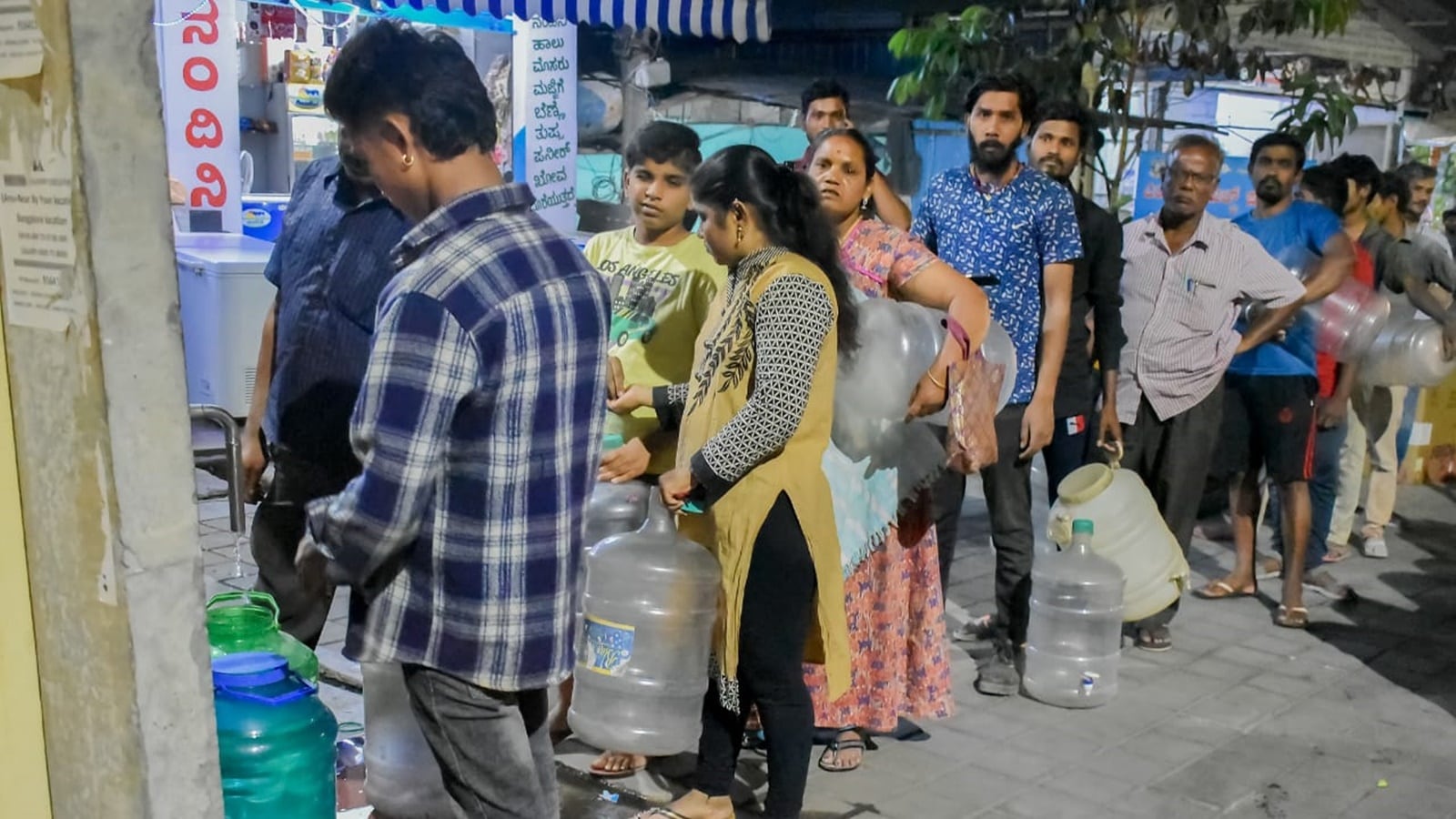
Bengaluru’s expanding suburbs are staring at renewed water stress as a major augmentation of the Cauvery water system remains stuck at the approval stage, raising concerns over the city’s ability to support rapid residential and industrial growth beyond its core. Urban planners and water-sector experts warn that prolonged delays could widen inequities in access to drinking water across the metropolitan region.
The proposed next phase of Cauvery water augmentation is designed to add a substantial volume of treated water to Bengaluru’s supply network, with a specific focus on peripheral zones and emerging townships. These areas have seen accelerated real estate development over the past decade, often ahead of bulk infrastructure provisioning. Without additional surface water, many neighbourhoods remain dependent on tanker supply and declining groundwater reserves. At present, Bengaluru draws water through earlier stages of the Cauvery system, delivering over 2,200 million litres per day to a population estimated at around 15 million. While this network supports much of the core city, allocations are near capacity, leaving limited flexibility to serve new layouts, satellite towns and industrial clusters. Water managers note that future demand projections cannot be met through efficiency gains alone. The delayed expansion is intended to bridge this gap by extending piped water to growth corridors in the north, west and east of the city, including areas along major highways and airport-linked development zones. These locations have become magnets for affordable housing, logistics parks and technology-linked employment, making reliable water supply a prerequisite for sustained economic activity.
From a technical standpoint, the project involves long-distance conveyance from the Cauvery basin, supported by multiple pumping stations, treatment facilities and strategically located reservoirs. Such systems are energy-intensive and capital-heavy, requiring careful sequencing of approvals, land acquisition and financing. The absence of formal sanction has effectively frozen progress on construction and funding mobilisation. The delay also underscores a broader governance challenge facing Indian cities: infrastructure delivery often lags urbanisation, rather than guiding it. Water policy specialists argue that postponing large-scale surface water projects pushes cities towards unsustainable alternatives, including over-extraction of groundwater, which disproportionately affects lower-income households and informal settlements.
The experience of the previous augmentation phase offers a cautionary tale. That project took close to a decade to move from conception to commissioning, during which demand continued to rise. While it eventually eased pressure in select city zones, suburban deficits persisted, highlighting the need for forward-looking planning rather than reactive expansion. Beyond immediate supply concerns, the stalled project raises questions about climate resilience. With rainfall patterns becoming less predictable and aquifers under stress, surface water systems integrated with reuse, demand management and energy-efficient operations are increasingly seen as essential urban assets.
As Bengaluru continues to expand outward, timely decisions on water infrastructure will shape not just livability, but also the sustainability of real estate markets and regional economic growth. The coming months will be critical in determining whether the city can align its growth ambitions with long-term water security for all residents.