Chennai Deploys Parking Measures For Coastal Crowds
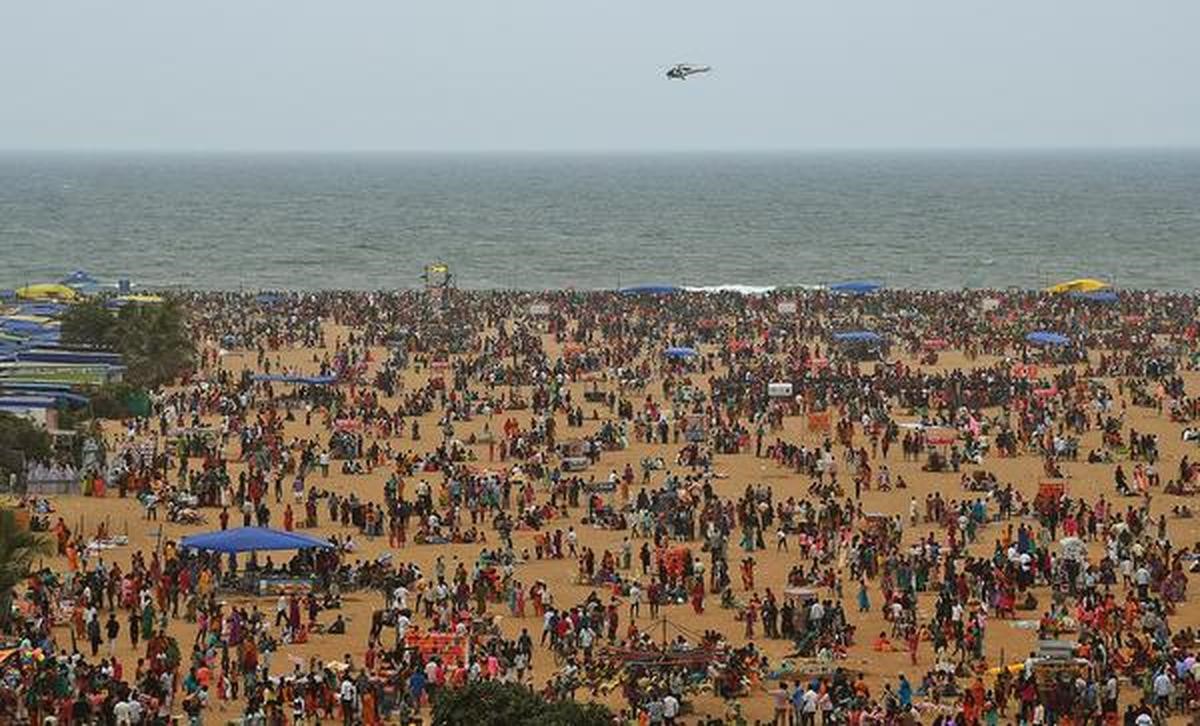
Chennai’s civic administration has rolled out a temporary parking and traffic management plan along the Marina coastline as the city braces for a surge in visitors during the Pongal holidays. With lakhs expected to gather at the beachfront over the festive period, the measures aim to reduce congestion, improve pedestrian safety, and manage access to one of India’s most frequented public spaces.
Officials involved in the planning say the initiative reflects a recurring challenge faced by large coastal cities balancing open public access with limited urban land availability. Marina Beach, while expansive, offers little formal parking infrastructure, forcing visitors to rely on surrounding roads and institutional land parcels during peak seasons. To address this, the city has earmarked a large open ground near the memorial precinct behind the beachfront as a temporary parking hub. The site has been readied to accommodate a mix of private vehicles, vans, and tourist buses, while two-wheelers will be directed to designated stretches along the service road. Additional parking capacity is being created within nearby educational institutions, which are typically underutilised during holiday periods.
Urban transport planners note that such temporary arrangements have become standard practice in dense metros where festival footfall far exceeds everyday demand. While effective in the short term, they highlight the absence of a long-term, integrated parking and mobility strategy for Chennai’s coastline especially as visitor numbers continue to rise with improved public transport connectivity and tourism promotion. The move also brings into focus governance challenges related to land ownership and coordination between agencies. The use of institutional land requires constant negotiation and remains vulnerable to disruption if redevelopment activity begins. Civic officials acknowledge that the current arrangement is time-bound and contingent on site availability, underscoring the need for permanent solutions.
Beyond congestion management, the plan has implications for urban equity and public trust. Residents and visitors have repeatedly flagged concerns about informal parking charges collected during festivals, despite official announcements of free parking. Transport economists warn that such practices disproportionately affect lower-income visitors and undermine the credibility of civic reforms aimed at making public spaces more inclusive. From a sustainability perspective, experts argue that festival crowd management should increasingly prioritise public transport, pedestrian access, and last-mile connectivity over vehicle-based solutions. With the city investing heavily in metro and suburban rail expansion, future festival planning could integrate park-and-ride models to reduce pressure on coastal roads.
As Chennai navigates the immediate Pongal rush, the effectiveness of these temporary measures will be closely watched. The larger question, however, is whether the city can transition from reactive festival management to a resilient, people-first mobility framework that protects its iconic waterfront while keeping it accessible to all.