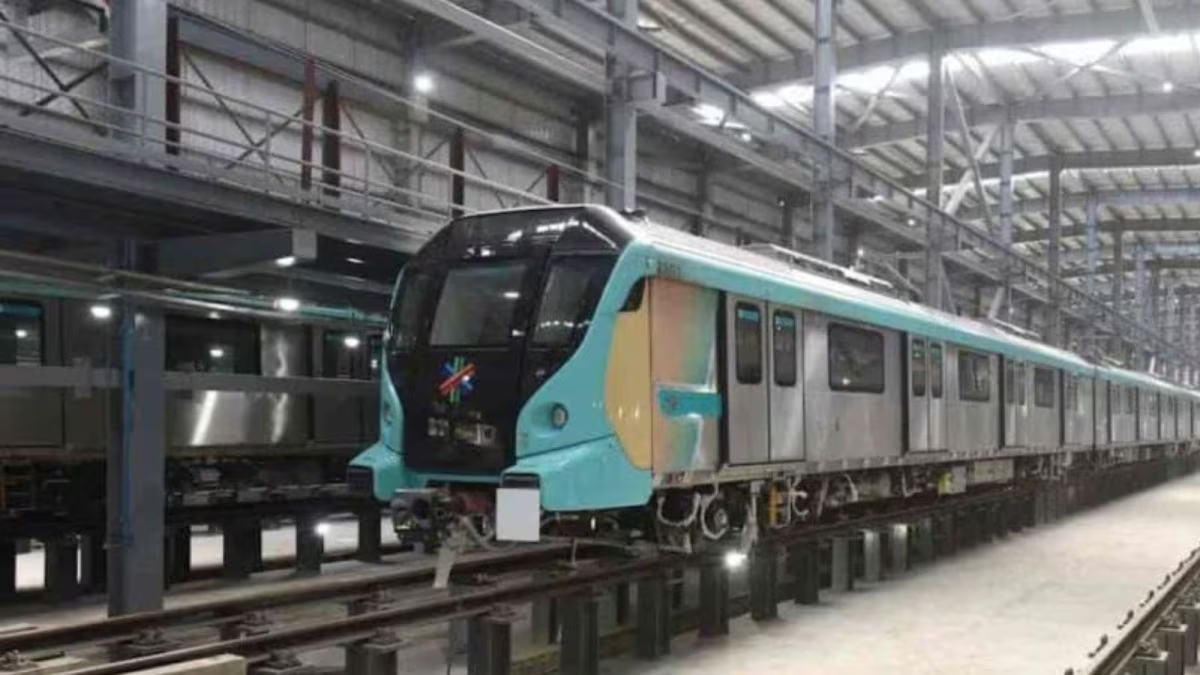
Mumbai’s first fully underground metro corridor is beginning to reshape daily mobility patterns across the city, with the Aqua Line recording a sharp surge in usage within weeks of becoming fully operational. Data from December shows Mumbai Metro 3 ridership crossing 46 lakh passenger journeys in a single month, underlining growing public reliance on high-capacity, low-emission transport in one of India’s most congested urban regions.
The 33.5-kilometre Colaba–Bandra–Seepz corridor became fully functional in early October after the southern stretch linking Worli to Cuffe Parade opened to commuters. Since then, passenger volumes have steadily climbed, reflecting pent-up demand for seamless north–south connectivity through Mumbai’s dense commercial and residential zones. Urban transport planners see this growth as a critical indicator that underground mass transit can meaningfully absorb travel demand traditionally dependent on private vehicles and overcrowded suburban rail. Ridership trends show a clear inflection point after full commissioning. Monthly usage nearly doubled compared to September levels, while average weekday footfall rose consistently through the final quarter of the year. December saw close to 1.5 lakh passengers using the line on an average working day, with peak demand touching over 1.8 lakh trips on a single day. Officials involved in network planning say the numbers validate long-term projections that placed Metro 3 at the centre of Mumbai’s future mobility grid.
Operational adjustments have followed demand. From early January, weekday services were increased to nearly 300 daily trips, cutting peak-hour waiting times to around three minutes. Weekend frequencies have also been enhanced, signalling a shift from viewing the corridor purely as a commuter line to one supporting leisure, retail, and cultural travel across the city’s core. Station-level data offers insights into how the corridor is being used. Marol Naka has emerged as the busiest node, driven by its interchange with the east–west metro line and its role as a gateway for passengers from the western and eastern suburbs. The underground station at the city’s historic rail terminus has also recorded heavy footfall, reinforcing the importance of multimodal integration. Meanwhile, the business district station continues to attract office commuters, particularly during peak hours, highlighting Metro 3’s relevance to Mumbai’s economic engine.
Urban economists note that rising Mumbai Metro 3 ridership carries implications beyond transport. Reduced road congestion, lower tailpipe emissions, and time savings for workers contribute to productivity gains and improved urban liveability. For real estate and commercial development, consistent metro usage often translates into higher demand around stations, increasing pressure to align growth with sustainability and public infrastructure capacity. As Mumbai continues expanding its metro network, the performance of the Aqua Line will be closely watched. Its early traction suggests that investment in underground, climate-resilient transit can play a decisive role in building a more equitable and efficient urban future—provided service reliability, last-mile access, and inclusive planning remain in focus.
Mumbai Metro 3 Ridership Highlights Demand For Underground Transit