


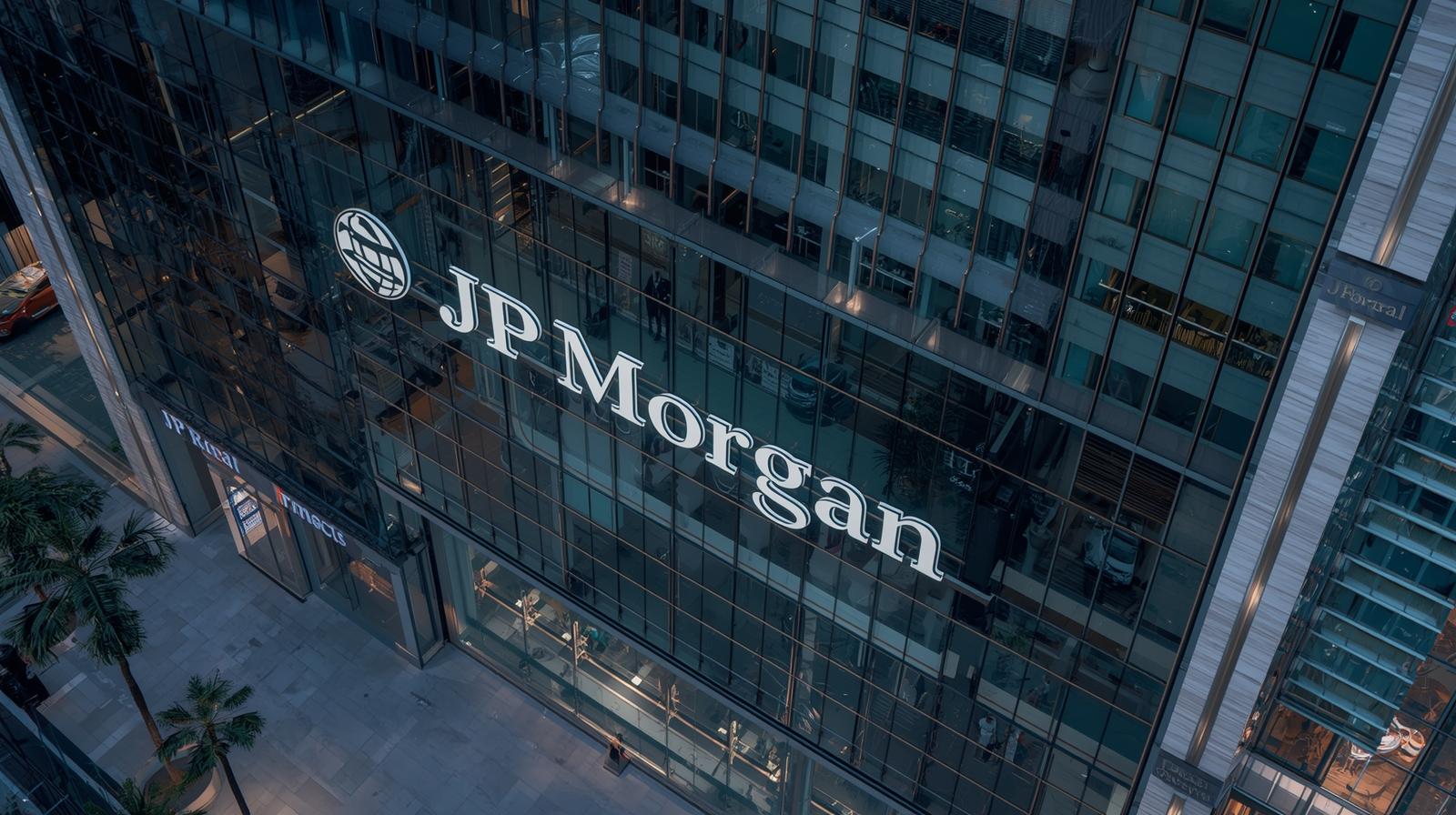
Mumbai’s office market has recorded one of its most significant transactions in recent years, with a global financial institution securing a large office footprint in Powai, signalling sustained confidence in India’s urban employment centres. The long-term lease, spanning several floors of a centrally located commercial building, reflects the continued expansion of global capability centres and financial services operations in the Mumbai Metropolitan Region.
The leased space, measuring close to 2.7 lakh square feet, is designed to accommodate large, technology-enabled teams across operations, analytics and risk management functions. Market data indicates that the total rental outgo over the lease term will exceed Rs 600 crore, placing the transaction among the largest enterprise workspace commitments in India’s commercial real estate market. The agreement includes periodic rental escalation and a substantial security deposit, consistent with institutional-grade leasing structures. Industry experts say the deal reinforces Powai’s status as a mature office micro-market that combines proximity to residential catchments with improving transport connectivity. Located between the eastern and western suburbs, Powai has benefited from sustained investment in road infrastructure, metro connectivity and social amenities, making it attractive for firms seeking to reduce commute times and improve workforce retention. Urban economists note that such large-format office commitments reflect a shift in how global firms view India’s cities not merely as cost-efficient back offices, but as integral nodes in global financial and technology networks. High-density, collaboration-oriented floor plates are increasingly preferred, allowing organisations to consolidate teams while maintaining flexibility in workplace design.
The transaction also highlights the role of flexible and managed office operators in shaping the next phase of India’s commercial property market. Rather than traditional single-tenant ownership models, large corporates are opting for professionally managed spaces that offer scalability, energy-efficient operations and shared amenities. This approach aligns with broader sustainability goals by optimising space utilisation and reducing the environmental footprint of commercial buildings. From a city-planning perspective, the concentration of employment in well-connected hubs like Powai presents both opportunities and challenges. While it supports economic growth and high-value job creation, urban planners stress the need for parallel investment in public transport, pedestrian infrastructure and affordable housing to ensure inclusive growth. Without such measures, employment-led development risks placing additional pressure on local infrastructure and mobility networks. Mumbai’s office leasing momentum comes at a time when the supply of high-quality Grade A space is tightening across core urban markets. Analysts believe that continued interest from global financial institutions could accelerate redevelopment and retrofitting of older commercial assets to meet modern sustainability and workplace standards.
Looking ahead, the impact of such transactions will depend on how effectively civic authorities, developers and employers collaborate to balance growth with liveability. If supported by transit-oriented development and low-carbon building practices, large office commitments like this could help Mumbai strengthen its position as a resilient, globally connected financial and services hub while advancing more sustainable urban outcomes.
Also Read: Mumbai Chandivali Office Corridor Records Major Transaction
Mumbai Powai Sees Landmark Global Bank Office Lease
