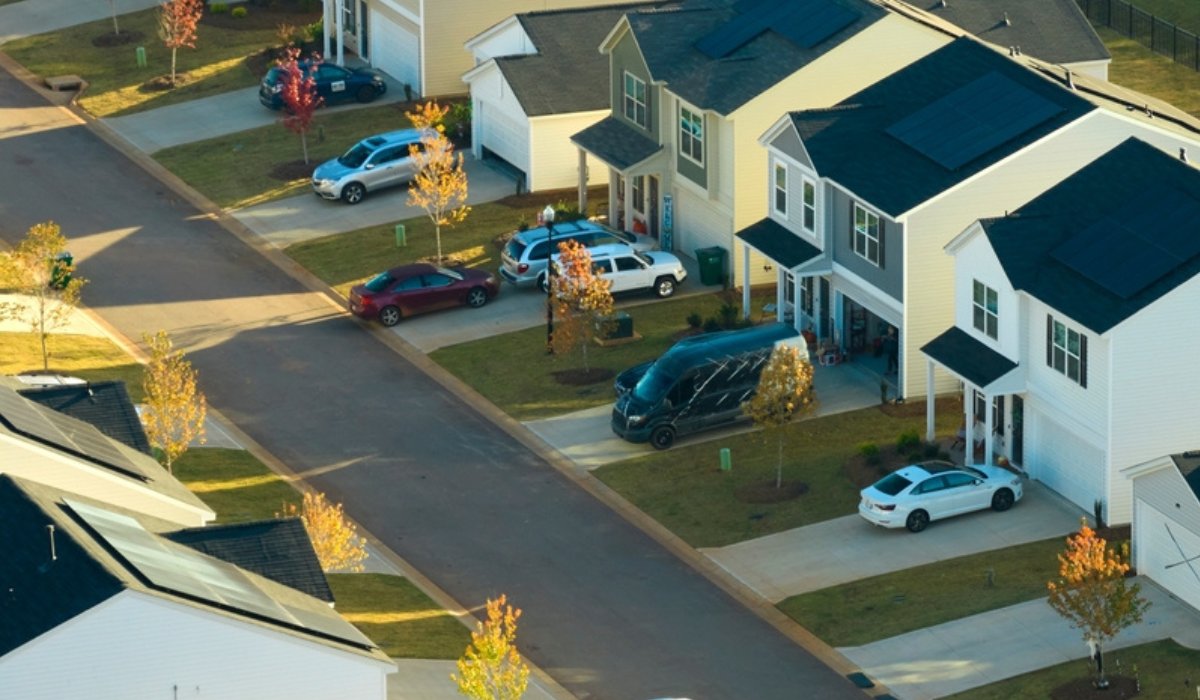
Lucknow’s residential market is witnessing a notable shift as developers experiment with technology-led housing formats traditionally associated with larger metros. A new villa project on the city’s expanding urban edge is positioning itself around artificial intelligence–enabled home systems, reflecting how Tier-2 cities are increasingly shaping demand for smarter, energy-efficient living rather than purely aspirational luxury.
The development, spread across roughly 10 acres and cleared under statutory planning and real estate regulations, proposes a limited number of independent villas integrated with automated systems for lighting, climate control, energy monitoring and security. Urban planners tracking the project say such formats signal a broader change in buyer expectations in cities like Lucknow, where infrastructure upgrades, rising disposable incomes and remote work have altered housing priorities. Unlike conventional gated communities that focus primarily on size and exclusivity, AI-enabled villas are being designed to optimise daily resource use. Smart energy management systems can help households track consumption patterns, potentially lowering electricity demand during peak hours. In a city facing increasing pressure on power and water infrastructure, such features are being viewed as incremental steps toward more climate-responsive housing.
Industry analysts note that Lucknow’s housing market has matured rapidly over the past decade, with demand expanding beyond apartments into plotted developments and villas. The adoption of intelligent home technology reflects an attempt to balance low-density living with sustainability goals, particularly in peripheral growth corridors where land availability is higher but infrastructure planning remains critical. The project also highlights a larger economic trend: premium housing is no longer confined to India’s largest metros. Tier-2 cities are increasingly attracting professionals, entrepreneurs and returning migrants seeking larger homes, better air quality and lower congestion. Developers are responding by offering lifestyle-oriented amenities such as shared green spaces, fitness zones and electric vehicle charging infrastructure—features that align with changing mobility and wellness preferences.
Urban development experts caution, however, that technology alone cannot address long-term liveability challenges. The success of AI-driven housing will depend on integration with public transport, water management systems and local governance capacity. Without coordinated planning, smart homes risk becoming isolated enclaves rather than contributors to resilient urban ecosystems. From a policy perspective, such projects may also influence how local authorities evaluate future residential approvals. As cities like Lucknow expand, there is growing emphasis on developments that reduce environmental impact while supporting inclusive growth through better design and infrastructure efficiency.
As AI-enabled housing enters the mainstream of Tier-2 real estate, Lucknow’s experience could serve as an early indicator of how intelligent design, sustainability and market demand intersect outside India’s largest urban centres. Whether this model scales sustainably will depend on how well private innovation aligns with public planning priorities in the years ahead.