


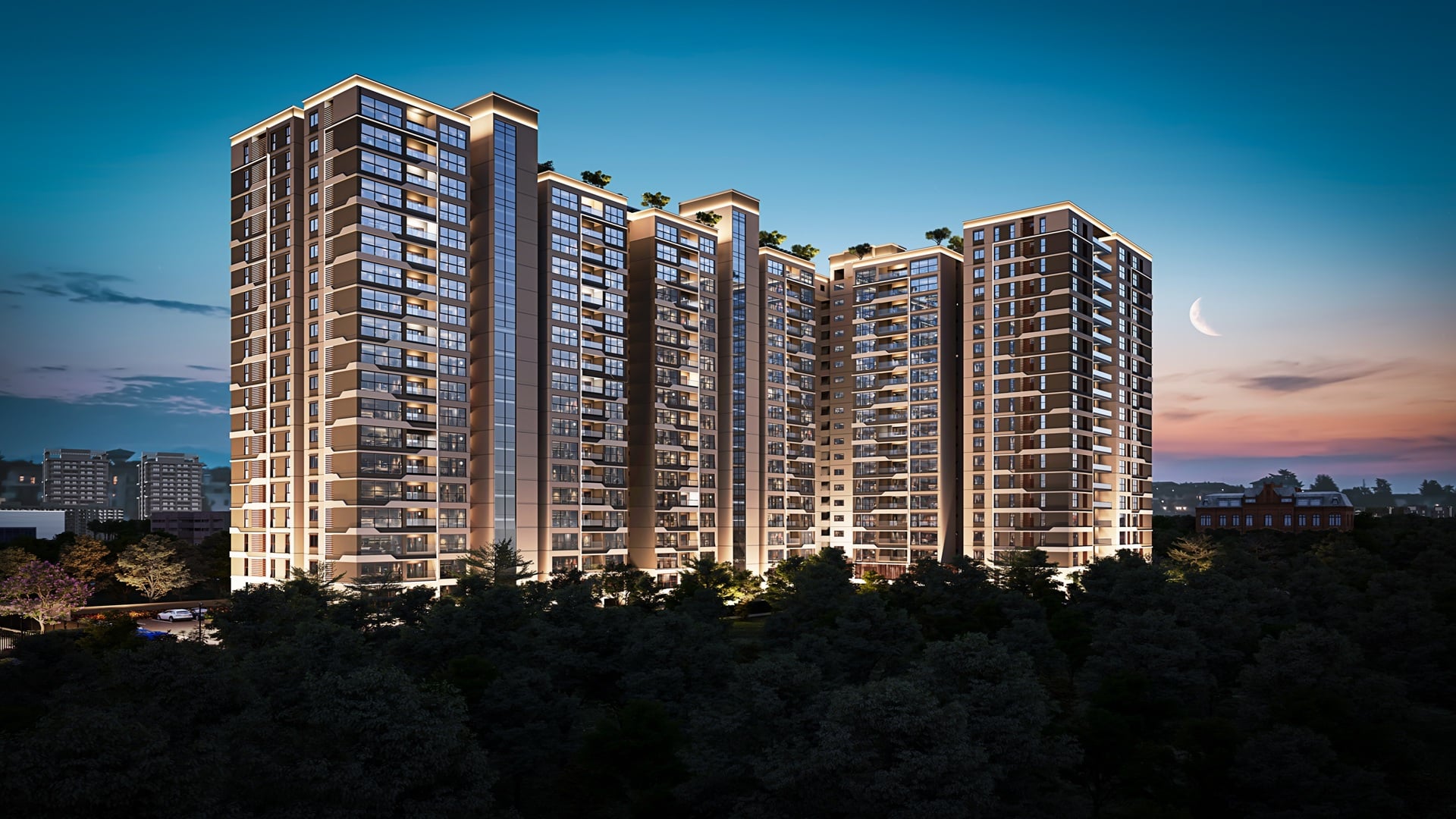
Pune’s real estate sector is set to enter a defining moment in early 2026 as the city prepares for one of its largest property showcases, bringing together developers, financiers and homebuyers on a single platform. Scheduled for mid-January at a central public venue, the three-day event arrives at a time when Pune’s housing and commercial markets are recalibrating around affordability, sustainability and changing work patterns.
The exhibition will assemble dozens of established developers presenting a wide range of residential and commercial projects spread across Pune, Pimpri-Chinchwad and the broader metropolitan planning region. Industry observers note that the scale of participation reflects renewed buyer confidence following a period of cautious decision-making, driven by stable interest rates, improving infrastructure connectivity and stronger regulatory oversight under RERA. For homebuyers, the event is expected to offer visibility into multiple housing formats in one place from compact, budget-conscious homes to larger family residences, senior living formats and plotted developments. Urban planners say this diversity mirrors Pune’s evolving demographics, as young professionals, migrant workers, retirees and investors increasingly coexist within the same metropolitan economy. The inclusion of Grade A office and mixed-use projects also points to sustained demand for workspaces aligned with hybrid employment models. Beyond transactions, the exhibition’s broader significance lies in how it frames Pune’s urban transformation. The city has expanded rapidly over the past decade, with growth corridors extending into peripheral areas once considered semi-rural. Infrastructure investments in metro rail, ring roads and water management have begun reshaping land values and commuting patterns, making suburban housing more viable for middle-income households. Experts believe such events play a role in educating buyers about these shifts, helping them assess long-term livability rather than short-term price movements.
Sustainability considerations are also gaining prominence. Developers participating in the exhibition are increasingly required to demonstrate compliance with energy efficiency norms, water stewardship practices and waste management systems. While green certification remains uneven across the market, urban policy specialists argue that consumer-facing platforms can accelerate adoption by making environmental performance a visible differentiator. Ahead of the public-facing exhibition, a large networking conclave for developers and property intermediaries is expected to focus on sales innovation, data-driven marketing and evolving buyer behaviour. Analysts say this reflects a maturing market where information asymmetry is narrowing and customer trust is becoming a competitive advantage rather than an afterthought. Previous editions of the event attracted significant footfall, indicating strong interest from first-time buyers and upgraders alike. This year’s edition is expected to test whether demand can translate into conversions amid rising construction costs and tighter scrutiny of project delivery timelines.
As Pune balances rapid expansion with quality-of-life challenges such as congestion, housing affordability and climate resilience, the outcomes of such large-scale property platforms may offer early signals of where the city’s real estate market and its urban priorities are headed next.
Also Read: India Workspaces Expand As Global Demand Rises
CREDAI Pune Expo Reflects Housing Demand Trends
