


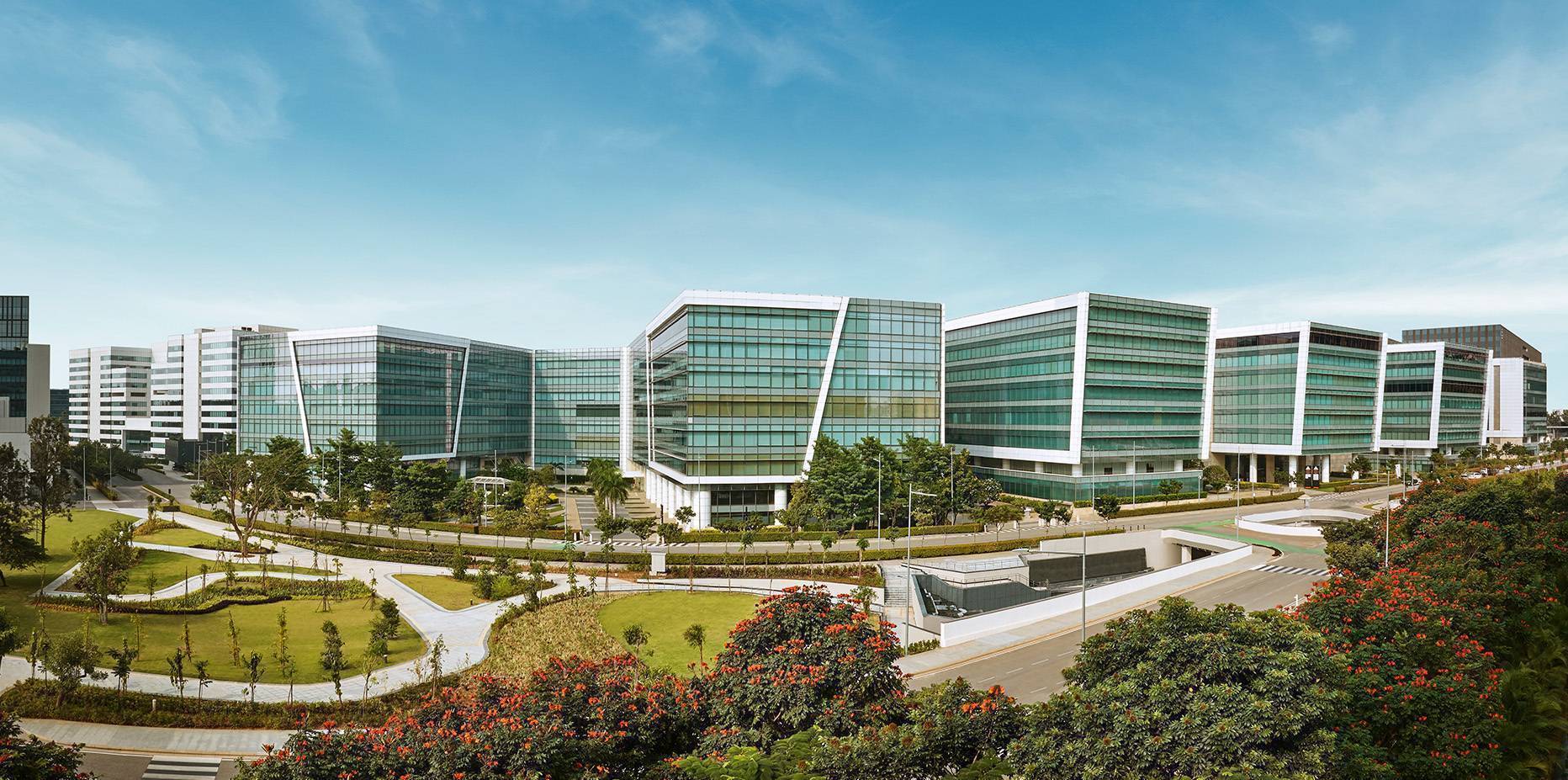
Mumbai’s commercial real estate market has recorded a significant office leasing transaction, reinforcing the city’s position as India’s most important hub for global financial services. A multinational banking and financial services firm has secured a large contiguous office space in Powai, signalling continued confidence in Mumbai’s talent pool, infrastructure ecosystem and long-term role in global business operations.
According to publicly available registration records accessed through property market analysts, the firm has leased nearly 2.72 lakh square feet within a Grade-A commercial building in Powai’s central business corridor. The premises form part of a larger office complex operated by a flexible workspace provider, while ownership of the asset rests with a domestic real estate holding entity. The lease tenure spans five years, with occupancy scheduled to commence in the new financial year. Market observers note that the agreed rental level places the transaction among the higher-value office leases concluded in the city in recent quarters. The contract includes an annual escalation clause, reflecting confidence in sustained demand for quality office space despite evolving workplace models. Industry experts say such long-term commitments by global firms indicate that hybrid work has not diminished the strategic importance of physical offices in core urban centres. This Mumbai office leasing deal carries broader implications for the city’s built environment. Powai has emerged as a preferred destination for knowledge-driven industries due to its proximity to residential catchments, transport infrastructure and institutional campuses. Urban planners point out that decentralised business districts such as Powai help ease pressure on traditional south Mumbai corridors while distributing employment closer to where people live, reducing commute times and associated emissions.
The transaction also highlights the growing role of managed and flexible workspaces in India’s commercial property market. Rather than leasing directly from asset owners, large occupiers are increasingly partnering with workspace operators to gain scalability, operational efficiency and access to shared amenities. This model allows buildings to achieve higher utilisation while offering occupiers adaptability in an uncertain economic environment. From a sustainability perspective, large office occupiers are placing greater emphasis on building efficiency, energy management and access to public transport. While older commercial stock in Mumbai has struggled to meet these expectations, newer and upgraded assets in micro-markets like Powai are better positioned to align with climate-resilient urban development goals. Experts argue that sustained leasing demand should be accompanied by stronger standards on energy performance and worker well-being. For Mumbai’s economy, the deal underscores the city’s continued attractiveness to multinational employers at a time when several global firms are reassessing location strategies. Office leasing activity of this scale supports ancillary employment, public transport usage and local services, reinforcing Mumbai’s role as a gateway city for global finance and professional services.
As office markets across Indian cities recalibrate, such transactions suggest that Mumbai office leasing will remain anchored by long-term institutional demand. The challenge ahead lies in ensuring that commercial growth aligns with inclusive urban planning, improved transit connectivity and lower environmental impact.
Also Read: Mumbai Luxury Housing Shifts Toward Earned Wealth
Mumbai Office Leasing Strengthens Global Finance Footprint
