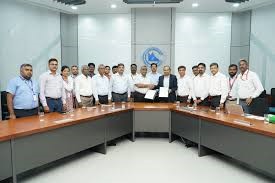
Chennai Metro Phase Two Awards Key Systems Contract
Chennai’s ambitious metro expansion programme has crossed another implementation milestone with the award of a critical systems contract for Phase Two, signalling steady progress on one of the city’s most complex underground transit corridors. The latest contract strengthens the operational backbone of Corridor Four, a stretch that runs through dense residential and commercial neighbourhoods where reliable mass transit is central to future urban mobility.
The systems package focuses on electrical and mechanical works across eight underground stations located between the coastal zone and the city’s inner residential areas. These installations form the invisible yet essential layer of metro infrastructure, ensuring passenger safety, fire resilience, energy efficiency and uninterrupted operations once services begin.
Urban transport planners note that such contracts often determine the long-term reliability of metro systems. Electrical distribution, fire detection and suppression, ventilation, pumping and plumbing systems must operate seamlessly in underground environments that face challenges ranging from groundwater pressure to high passenger footfall. Delays or compromises at this stage can have long-lasting impacts on service quality and operating costs.
Corridor Four plays a strategic role within Chennai Metro Phase Two, linking key employment hubs and established neighbourhoods while offering an alternative to heavily congested arterial roads. With the city continuing to add population and vehicle numbers, metro expansion is increasingly viewed as a critical intervention for reducing travel times, cutting tailpipe emissions and improving overall urban air quality.
The awarded scope spans station buildings as well as tunnels and access structures, including ramp sections and cut-and-cover zones. Industry experts say integrating systems across varied underground structures requires careful coordination with civil works to avoid conflicts during later stages of construction. This integration is particularly important in coastal cities like Chennai, where humidity and saline conditions demand higher durability standards.
From a broader economic perspective, Phase Two of the metro has become a significant driver of infrastructure-led employment, supporting engineers, technicians and specialised contractors over multiple years. Real estate analysts also point out that metro-linked corridors typically see more compact, transit-oriented development, encouraging mixed-use growth while limiting urban sprawl.
Officials associated with the project indicate that Chennai Metro Rail’s focus has gradually shifted from awarding civil contracts to ensuring that systems installation keeps pace with structural progress. This transition is considered vital to meeting operational timelines and avoiding the prolonged commissioning phases that have affected metro projects in other cities.
As Phase Two advances across multiple corridors, the timely execution of systems contracts will determine how quickly Chennai can translate construction activity into passenger-ready services. For commuters, the next phase will be measured not just in kilometres added, but in how effectively the network delivers safe, accessible and low-carbon mobility across the city.