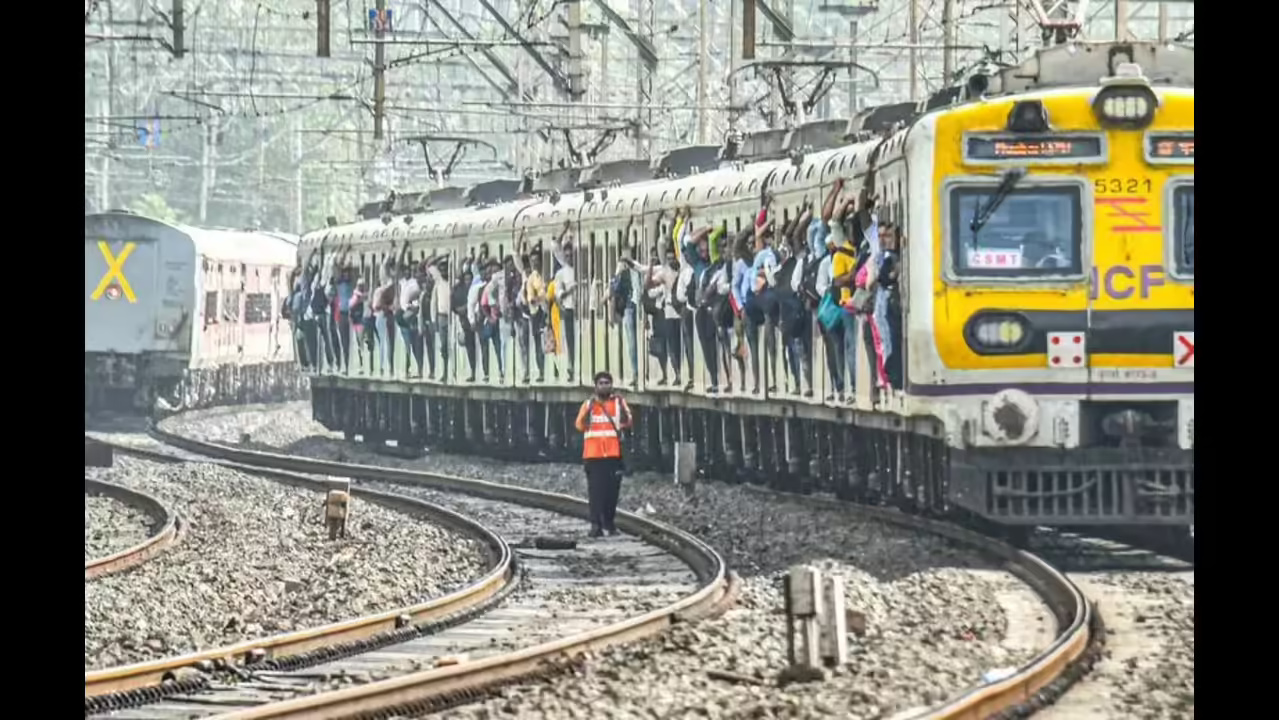
Central Railway has recorded a steady increase in passenger numbers and revenue during the ongoing financial year, underscoring the continued centrality of Mumbai’s suburban rail system to the city’s economic and social functioning. The latest performance indicators point to rising commuter dependence on rail-based public transport, even as travel patterns evolve across the Mumbai Metropolitan Region.
Data available from railway operations up to December 2025 show that suburban rail services once again formed the backbone of passenger movement across the Central Railway network. Earnings from suburban commuters rose year-on-year, reflecting both sustained ridership volumes and the resilience of daily work-related travel in one of India’s most densely populated urban regions. Transport planners say this trend reinforces the role of suburban rail as the most energy-efficient and inclusive mobility option for large metropolitan populations. Overall passenger revenue for the zone also registered a noticeable increase during the April–December period of the current financial year. Growth was recorded across both suburban and long-distance travel segments, indicating a broader recovery in rail usage. Industry experts attribute this to a combination of factors, including improved service reliability, post-pandemic normalisation of travel, and rising costs of private transport, which have made rail travel a more economical choice for many households.
Passenger volumes followed a similar upward trajectory. Central Railway carried over 1.2 billion passengers during the first nine months of the financial year, with suburban commuters accounting for the vast majority of journeys. Urban mobility specialists note that such volumes highlight the immense pressure placed on Mumbai’s rail infrastructure, even as it continues to move millions of people daily at a scale unmatched by other transport modes. Monthly data from December 2025 indicates sharper growth, both in ridership and earnings. The year-on-year rise during the month suggests increased seasonal travel alongside routine commuting, particularly ahead of year-end holidays and social events. Analysts point out that the surge also reflects the limited alternatives available to commuters, reinforcing the need for sustained investment in capacity expansion, safety upgrades, and passenger amenities.
From an urban development perspective, the performance of Central Railway carries wider implications. Suburban rail remains critical to keeping Mumbai’s labour markets accessible, supporting equitable access to employment across income groups. By enabling long-distance commuting at relatively low cost, the network reduces pressure on housing markets closer to commercial centres while limiting dependence on carbon-intensive road transport. Urban planners caution, however, that rising ridership must be matched with accelerated infrastructure modernisation. Projects such as additional rail corridors, signalling upgrades, and improved station design are increasingly seen as essential to ensure safety, comfort, and climate resilience. Better integration with metro lines, buses, and non-motorised transport is also key to creating a seamless, people-first mobility system.
As Mumbai continues to grow, Central Railway’s performance offers a reminder that mass public transport remains foundational to sustainable urban futures. The challenge ahead lies in scaling capacity and service quality while maintaining affordability for the millions who rely on suburban trains every day.
Central Railway Sees Strong Suburban Ridership Gains