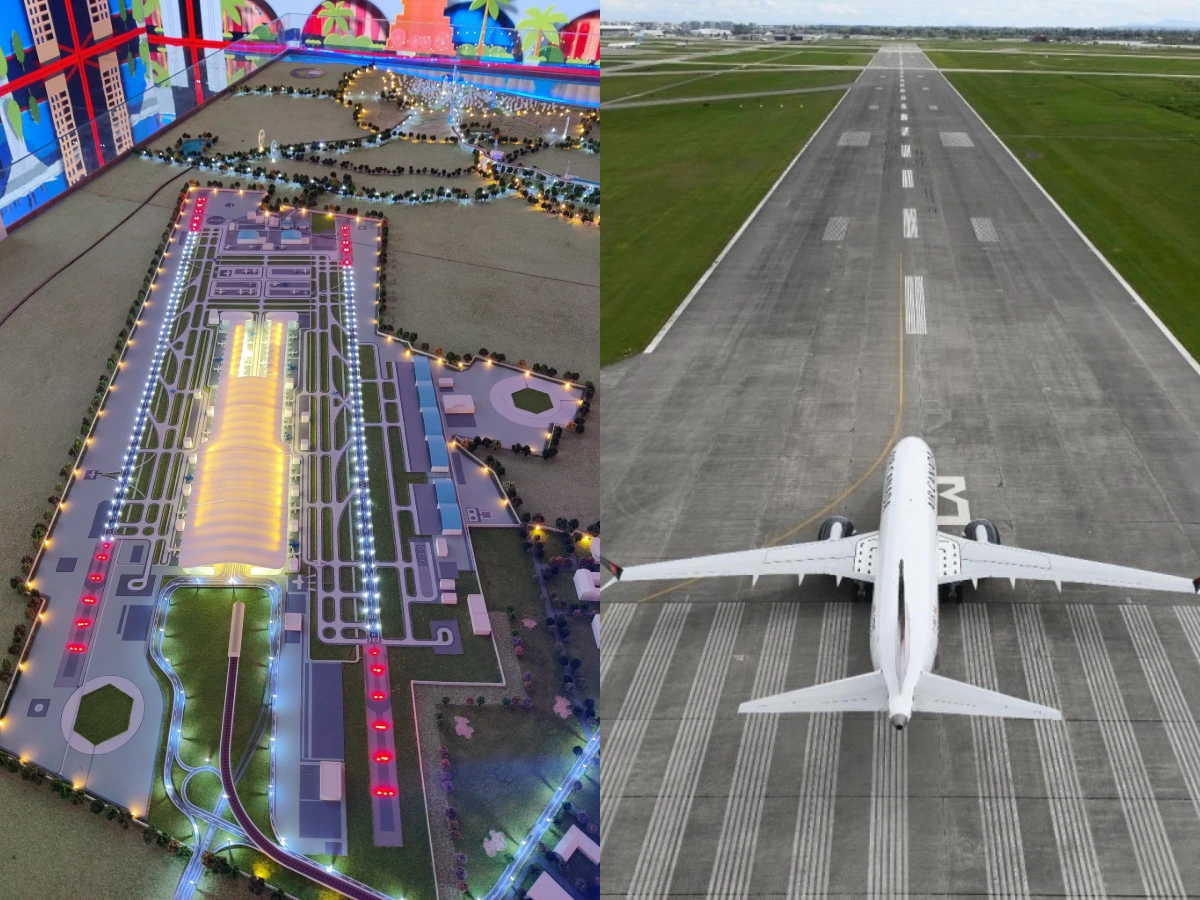
The proposed greenfield airport at Parandur has entered a critical phase, with the state’s industrial development agency rolling out physical demonstrations of its resettlement strategy for communities likely to be displaced. Model houses have been constructed in the project zone, offering residents a preview of rehabilitation options as land acquisition for the large-scale aviation project gathers pace in Kancheepuram district.
The initiative is designed to address one of the most sensitive aspects of infrastructure-led urban expansion: the relocation of rural communities whose land and livelihoods are tied to agriculture and local ecosystems. With the airport planned across a multi-village footprint spanning several thousand acres, the resettlement framework is emerging as a key test of whether large public projects can balance economic growth with social equity. Officials involved in the project say the demonstration homes are intended to give families clarity on housing size, layout and basic amenities before making relocation choices. The proposed resettlement townships are being planned as integrated settlements, with access to healthcare, education and civic services, rather than standalone housing clusters. The approach reflects a shift away from cash-only compensation towards asset-backed rehabilitation, which urban development experts say can offer greater long-term security if executed well.
The broader compensation framework includes monetary payouts for agricultural land, alternative housing plots with constructed homes, or a fixed cash option for those who prefer self-arranged housing. Additional provisions cover livelihoods, commercial establishments, interim support and access to institutional credit. A social review process is underway to reassess entitlements and address gaps flagged during consultations. In total, just over a thousand households from multiple villages are expected to be relocated to newly identified sites spread across several locations near the project area. Land acquisition has already progressed in phases, with further parcels targeted in the coming months. For the state, the airport is positioned as a long-term economic catalyst, aimed at easing congestion in Chennai’s existing aviation infrastructure and supporting regional growth corridors.
However, resistance from sections of the affected population remains firm. Community representatives opposing the project argue that compensation and housing assurances do not adequately account for the ecological value of the area, particularly its water bodies and agrarian landscape. Legal challenges and public protests have highlighted concerns that resettlement cannot fully offset the loss of environmental assets and traditional livelihoods.
Urban planners note that such tensions are increasingly common as infrastructure projects move into peri-urban and rural zones. While demonstration housing and structured compensation mark an improvement over earlier displacement practices, trust-building and transparent decision-making remain critical. The long-term success of resettlement depends not just on physical housing, but on employment access, social networks and environmental safeguards.
As the Parandur airport project advances, the coming months will be decisive in determining whether rehabilitation measures can meaningfully align with the principles of inclusive, climate-conscious urban development or whether unresolved opposition will continue to challenge the project’s trajectory.
Also Read:
Tamil Nadu Advances Parandur Airport Relocation Plan