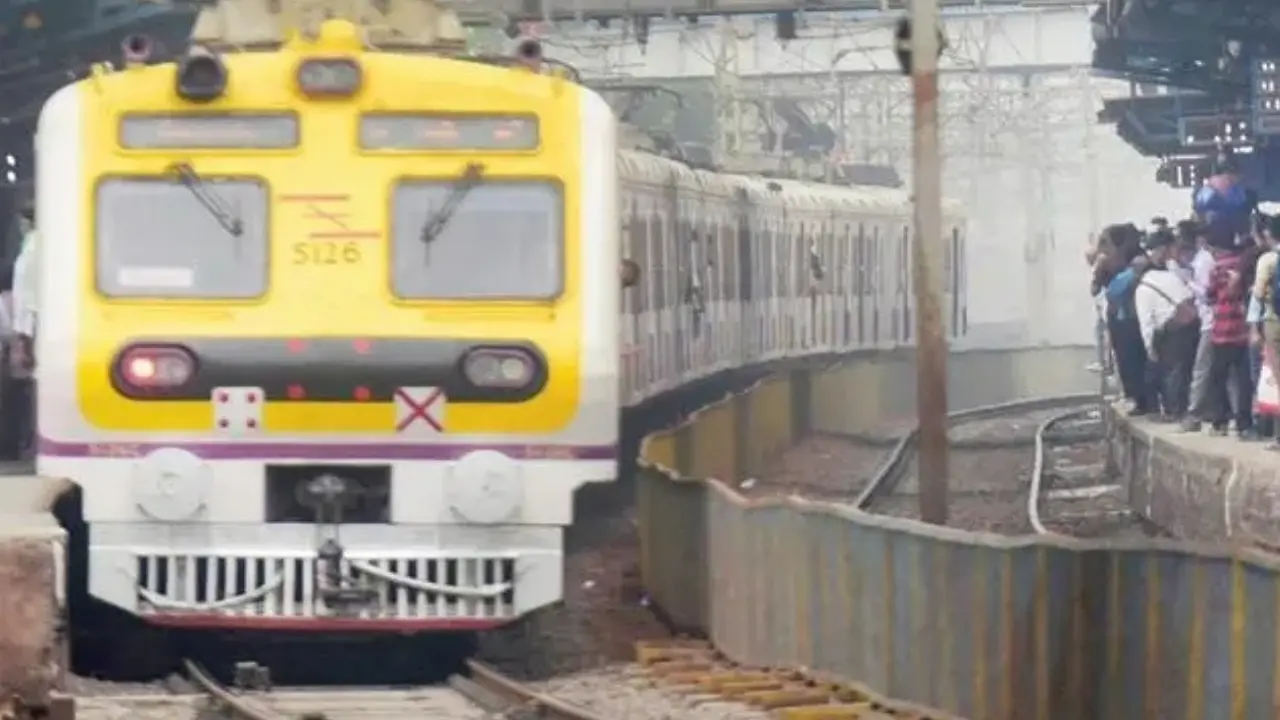
A prolonged rail blockade on one of Maharashtra’s most heavily used corridors has disrupted travel between western Maharashtra and Vidarbha, underscoring the fragile balance between infrastructure upgrades and daily mobility. Extensive engineering work on the Daund–Manmad section, a critical artery connecting Pune with Nagpur and Amravati, has led to widespread train cancellations through much of January, affecting commuters, migrant workers and long-distance passengers alike.
The disruption stems from signalling and track integration works linked to the Daund–Kashti line doubling, a capacity enhancement project being executed under the Pune rail division. Pre-commissioning activities began early this month and will culminate in full system integration over two high-impact days later in January, when traffic restrictions peak. Rail officials have indicated that these blocks are operationally unavoidable for safety and system reliability. For passengers, however, the impact has been immediate. The Pune–Nagpur rail disruption has resulted in the cancellation of dozens of mail, express and premium services across Vidarbha-facing routes. Trains connecting Pune with Nagpur, Ajni and Amravati have been suspended on multiple dates, forcing travellers to seek costlier and less sustainable road-based alternatives. According to railway data reviewed by Urban Acres, over 30 services across three major corridors have been cancelled or diverted during the work window.
The timing has compounded the inconvenience. January typically sees elevated travel demand due to weddings, regional festivals and Republic Day movement. Transport economists note that such concentrated rail shutdowns push passengers towards private buses and cars, increasing congestion and emissions on already stressed highways between Pune, Ahmednagar and Aurangabad. From a climate and mobility perspective, the temporary shift away from rail highlights the importance of better-aligned construction phasing and advance passenger communication.
Despite the short-term strain, urban transport planners argue that the project addresses a long-standing structural bottleneck. The Daund–Manmad stretch carries freight, long-haul passenger trains and regional services, often operating near saturation. Doubling the line and upgrading interlocking systems is expected to improve punctuality, reduce crossing delays and allow higher-frequency services once operational. For Vidarbha’s industrial and agricultural economy, more reliable rail connectivity to Pune and Mumbai markets remains critical.
A senior railway official acknowledged that the current phase is disruptive but said the upgrades would create long-term resilience in the network.
Experts also point out that capacity-led rail investments are essential if Maharashtra is to meet its low-carbon transport goals and reduce dependence on road freight. As work nears completion, passenger groups are calling for clearer real-time advisories and better integration with bus services during block periods. The episode serves as a reminder that while infrastructure renewal is essential, managing its social and economic fallout is equally vital for people-first, sustainable urban mobility.
Central Railway Blocks Test Pune Nagpur Corridor