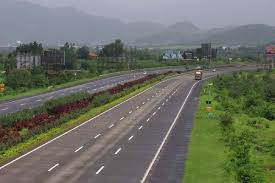
Lucknow Telibagh PGI Elevated Road To Ease Congestion
In a strategic pivot to unclog chronic traffic snarls, authorities have approved the construction of an elevated road from Telibagh to the Post Graduate Institute (PGI) area, marking a significant shift in the city’s transport infrastructure blueprint aimed at reducing congestion on key radial routes feeding the urban core. This decision arrives amid broader traffic‑management reforms, signalling a push toward signal‑free mobility corridors that could reshape travel dynamics in Uttar Pradesh’s capital.
The elevated link, unveiled by the city administration this weekend, is intended to provide uninterrupted passage over several high‑pressure junctions where multiple arterial roads currently converge, contributing to congestion that can extend journey times and disrupt emergency services access. In parallel, authorities are revoking around 18,000 vehicle registrations for repeat traffic violations and tightening loitering restrictions for e‑rickshaws and similar vehicles at major crossroads — moves designed to reinforce orderly flow as physical infrastructure upgrades roll out. Traffic planners characterise the Telibagh–PGI elevated road as part of a multi‑layered urban mobility response. By separating through‑traffic from local street movements, elevated corridors can improve average vehicle speeds and reduce stop‑start congestion that accelerates emissions and lowers air quality. “Signal‑free links are essential when major tributary routes intersect in dense urban grids,” said a senior transport official, noting that integrated planning between elevated roads, surface junctions, and public transport corridors is critical to avoid shifting bottlenecks elsewhere.
Local market associations and residents have long highlighted gridlock at Telibagh, where commuter, commercial and intercity traffic coalesce. The new high‑level route is expected to divert vehicles heading toward PGI, Shaheed Path and outer ring facilities, potentially shortening peak‑hour journeys and easing pressure on surface roads used by pedestrians, cyclists and intermediate public transport. Urban economists point out that reduced congestion can also unlock productivity gains by cutting wasted commute time and lowering fuel consumption across the urban economy.However, mobility experts caution that elevated infrastructure should be paired with investments in public transport and non‑motorised transport infrastructure to avoid inducing additional traffic demand, a dynamic known as ‘traffic‑induced demand’. Without such balance, improvements in road capacity can be quickly absorbed by new vehicles, undermining long‑term congestion relief and sustainability goals.
The city’s upcoming traffic blueprint includes comprehensive redesigns of intersections, new flyovers, underpasses and targeted enforcement to manage encroachments and illegal parking, reflecting a shift toward multi‑agency coordination in urban mobility governance. Successful execution will be key to ensuring that infrastructure expansion translates into measurable improvements for daily commuters, freight movement and emergency services.As the elevated road project moves from planning to execution, officials say detailed environmental and social assessments will be integrated, with attention on minimising disruption to adjacent communities and enhancing safety for vulnerable road users.