


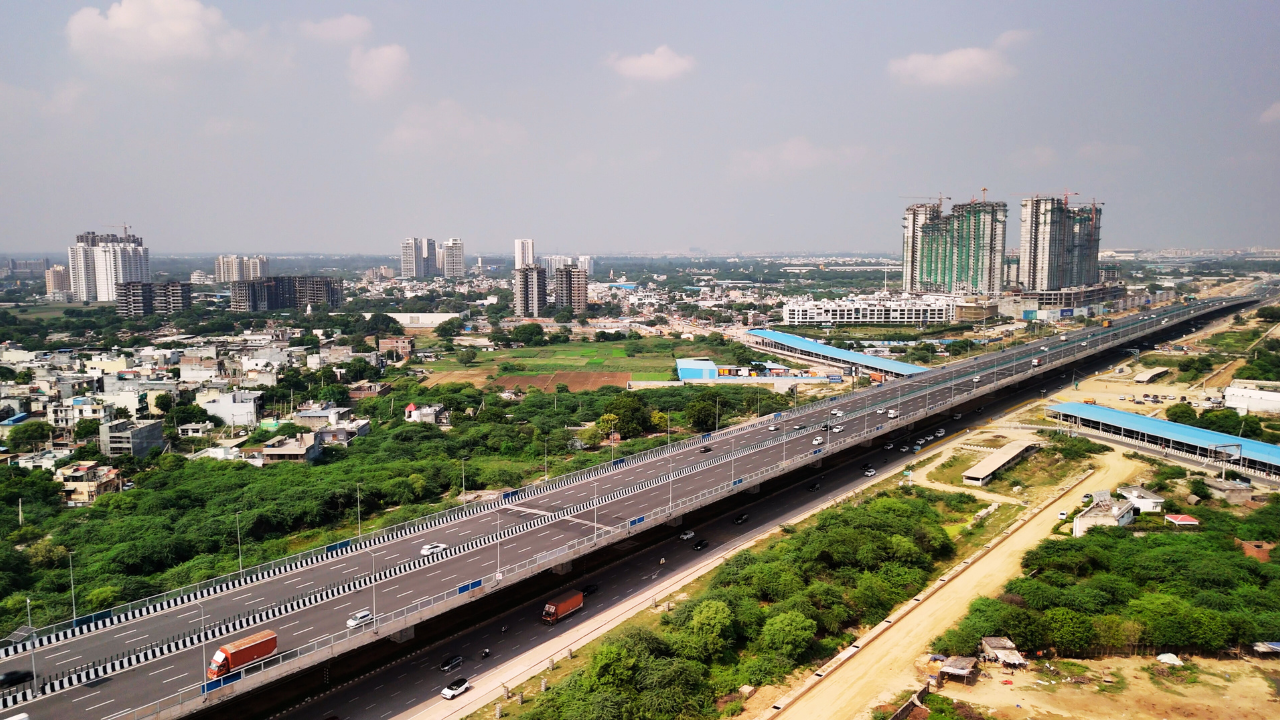
West Delhi’s residential and rental property markets are undergoing a quiet transformation as digital platforms increasingly shape how buyers and tenants discover homes. A growing number of local property intermediaries are moving away from traditional brokerage models and adopting social media-led outreach, reflecting a broader shift in urban housing search behaviour across Delhi NCR.
In neighbourhoods such as Dwarka Mor, Nawada and parts of Dwarka’s established sectors, Instagram has emerged as an unexpected but influential marketplace for real estate information. Daily visual updates, short walkthrough videos and location-specific pricing cues are replacing classified ads and informal broker networks, offering users quicker access to verified property options. Urban housing analysts say this trend is closely linked to changing expectations among younger buyers and tenants, who now prioritise transparency, speed and visual clarity. With rising concerns around misinformation and opaque pricing, digital-first channels that offer traceable listings and direct communication are gaining credibility, particularly in mid-income housing segments. West Delhi’s micro-markets have been particularly receptive to this model. These areas combine strong metro connectivity with relatively affordable housing stock, making them popular among first-time buyers, working professionals and migrant households. As supply remains fragmented across builder floors, cooperative housing and small commercial assets, location-specific digital curation has become more valuable than broad aggregator platforms.
Industry experts point out that Instagram-led property discovery is not merely a marketing shift, but part of a larger urban transition. As Indian cities densify, neighbourhood-level knowledge covering building quality, street access, parking availability and civic services has become critical. Hyperlocal digital platforms are filling this information gap more effectively than conventional listings, which often lack context. There are also implications for regulatory oversight and consumer protection. While social media enables faster access to property information, urban planners caution that verification standards must keep pace. Clear disclosure of ownership, approvals and pricing remains essential to avoid the risks that once plagued informal brokerage systems. Some experts suggest that digital transparency, if aligned with regulatory frameworks, could reduce disputes and improve trust in secondary housing markets. From an economic standpoint, the rise of digital-first property platforms is lowering entry barriers for small operators while reshaping employment patterns within the real estate services sector. Video production, content moderation and customer engagement roles are becoming as important as on-ground site visits, reflecting a gradual modernisation of the housing transaction process.
As Delhi continues to expand outward and housing demand diversifies, digital platforms rooted in local expertise are likely to play a larger role in shaping residential choices. The challenge ahead lies in balancing speed with accountability, ensuring that technology-driven property discovery supports safer, more inclusive and better-informed urban growth rather than speculative excess.
Also Read: New Delhi Yashobhoomi Anchors Five Star Hotel
Delhi West Housing Search Moves Onto Digital Platforms
