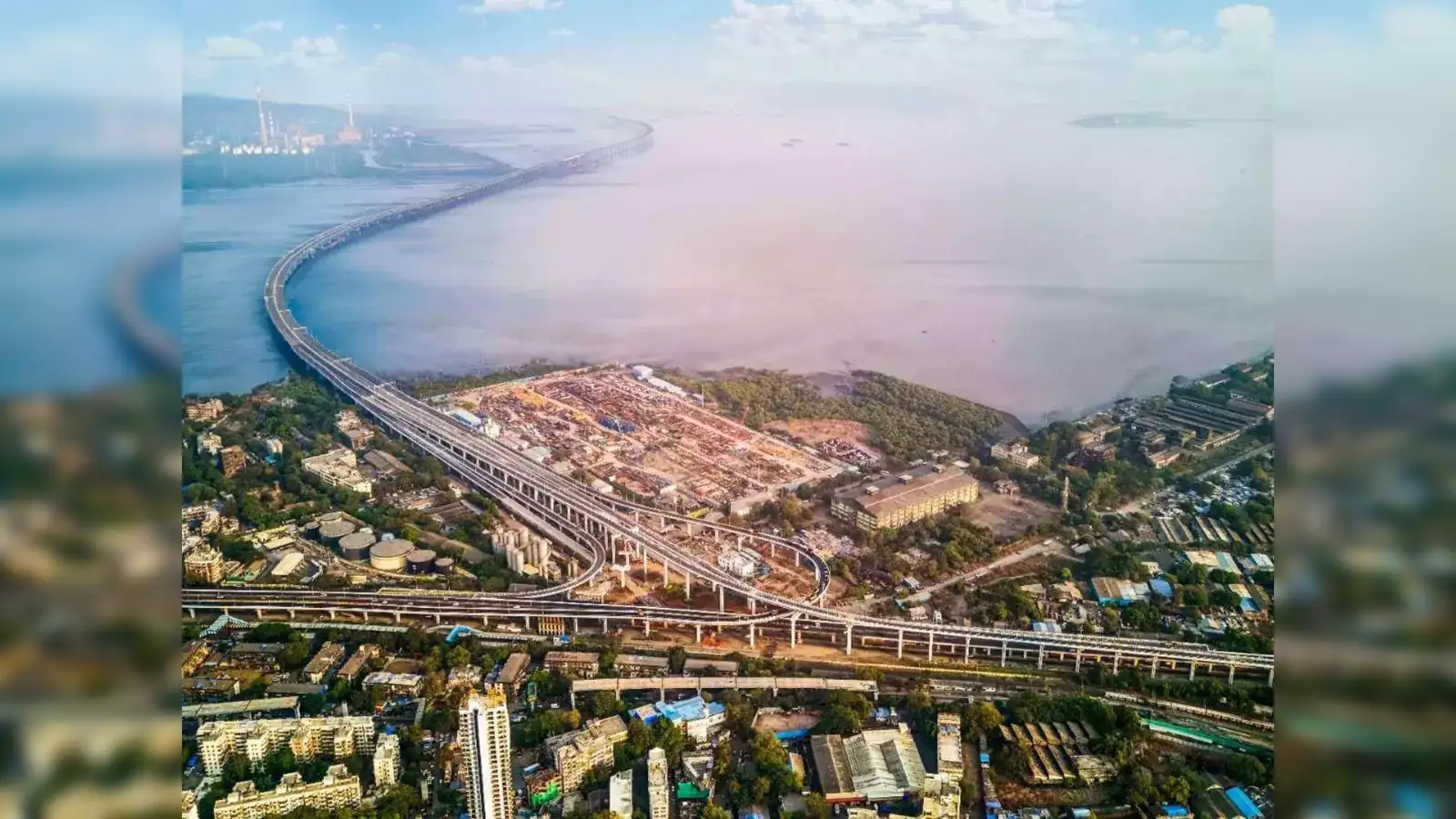
The Mumbai Metropolitan Region’s primary planning authority is being repositioned as a central delivery agency for large-scale infrastructure, marking a decisive shift in how India’s most complex urban region is being built. Senior state leadership, addressing public gatherings in Kalyan-Dombivli and Ulhasnagar ahead of upcoming municipal elections, outlined how the Mumbai Metropolitan Region Development Authority has moved beyond its earlier financing role to become a direct executor of transport, water and regional connectivity projects.
This institutional transition matters because the MMR’s growth challenges—overcrowded trains, fragmented road networks and uneven economic development—can no longer be addressed through piecemeal funding support. Urban planners say the authority’s expanding mandate reflects a broader policy trend: metropolitan regions need empowered agencies capable of planning, funding and constructing infrastructure at scale, while aligning projects with climate resilience and long-term land use goals. Officials indicated that projects valued at several lakh crore rupees are currently being implemented through the authority, spanning metro rail corridors, highways, water supply schemes and regional mobility links. The emphasis is on reducing dependence on private vehicles by expanding mass transit and shortening commute times between eastern suburbs, satellite cities and emerging business districts. Transport economists note that these investments could significantly lower productivity losses caused by congestion while supporting lower-emission travel patterns.
A major operational change highlighted was the planned modernisation of Mumbai’s suburban rail system. The transition towards air-conditioned local train rakes with automated doors is expected to improve passenger safety and comfort without altering entry-level fares. Rail experts caution that while rolling stock upgrades are important, capacity augmentation, signalling improvements and station-area redevelopment will determine whether the system can absorb future ridership growth sustainably. The MMRDA infrastructure shift is also closely tied to economic decentralisation. Authorities outlined plans for a new commercial and employment hub in the Kalyan-Dombivli belt, designed to mirror established business districts closer to Mumbai’s core. Combined with proposed high-speed rail integration and data centre investments, this could rebalance job creation towards the eastern metropolitan corridor. Real estate analysts believe such moves may stabilise housing demand, reduce long-distance commuting and create opportunities for mixed-use development closer to workplaces.
Concerns around uneven urban outcomes were also acknowledged. In Ulhasnagar, officials pointed to persistent gaps in civic infrastructure despite the city’s strategic location and diverse economic base. Urban policy specialists say governance reforms, consistent enforcement and targeted capital spending will be critical if infrastructure investments are to translate into liveability improvements for smaller municipal corporations. As municipal elections approach, the promises underline a larger question for the MMR: whether the MMRDA infrastructure shift can deliver coordinated, people-first urban growth across a region of more than 26 million residents. The answer will rest not on announcements, but on execution, transparency and the ability to align transport, housing and climate priorities over the next decade.
Mumbai Metropolitan Region Recasts Infrastructure Strategy