


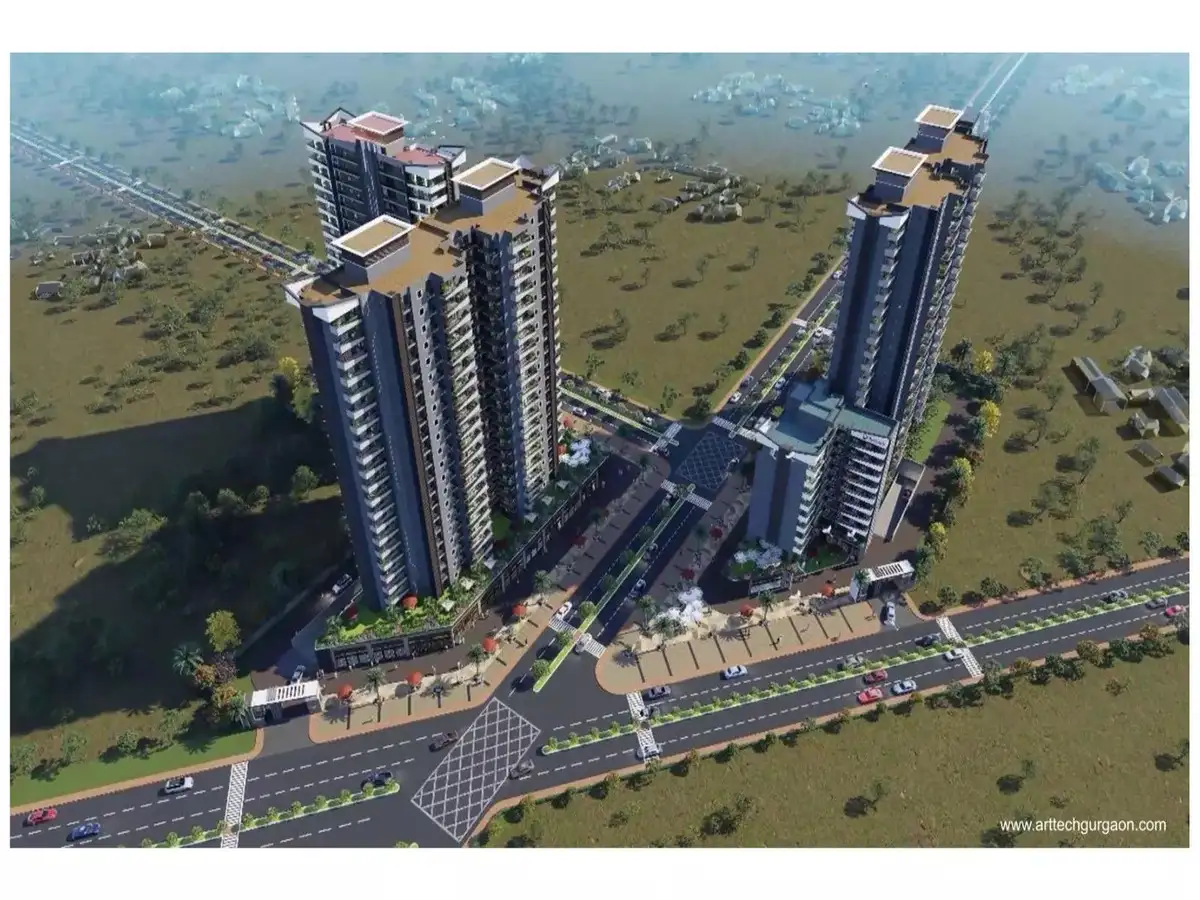
A Delhi NCR–based real estate developer has formally entered India’s emerging senior housing segment with the launch of three dedicated residential projects in Gurugram, signalling growing confidence in age-focused living as a long-term urban asset class. The development, planned across eight acres, reflects how demographic shifts are reshaping residential strategies in India’s fastest-growing metropolitan regions.
The projects are expected to deliver around 450 homes with a combined gross development value estimated at Rs 2,100 crore. Industry observers say the move underscores how senior living is transitioning from a niche offering into a structured component of urban housing supply, particularly in cities with strong healthcare access, mobility infrastructure and social connectivity. India’s ageing population is rapidly altering housing demand patterns. According to demographic projections widely referenced by urban planners, the population aged 80 and above is expected to rise sharply over the next two decades. This shift is prompting developers to rethink traditional housing models, moving towards residences that integrate medical access, community design and operational support within residential environments. Gurugram’s emergence as a preferred location for senior housing is closely linked to its urban ecosystem. The city offers proximity to multi-specialty hospitals, airport connectivity and established residential sectors with access to green spaces and social infrastructure. Analysts note that such factors reduce long-term dependency risks while enabling seniors to remain connected to family networks across the National Capital Region.
Urban development experts also highlight that senior living projects, when planned responsibly, can contribute to more balanced city growth. Lower occupancy densities, pedestrian-friendly design and predictable service demand make these developments easier to integrate with municipal infrastructure. When combined with energy-efficient construction and accessible public transport, senior housing can support climate-resilient neighbourhood planning rather than intensifying urban strain. From a market perspective, the investment reflects growing institutional interest in residential formats with stable absorption and longer ownership cycles. Unlike speculative housing, senior living relies on sustained service quality, transparent governance and community management factors increasingly valued by both residents and investors. Developers entering this segment are therefore under greater scrutiny to deliver operational reliability alongside construction quality.
Looking ahead, sector specialists expect senior housing to play a more visible role in India’s residential landscape, particularly in large urban clusters where nuclear families and professional mobility limit traditional caregiving structures. Gurugram’s expansion into this segment suggests that age-responsive housing is no longer peripheral to city planning, but part of a broader rethinking of how Indian cities accommodate citizens across life stages. The challenge now lies in ensuring such developments remain inclusive, well-regulated and aligned with long-term urban sustainability goals.
Also Read: Chennai Real Estate Sees Institutional Land Financing
J Estates Expands Into Gurugram Senior Housing
