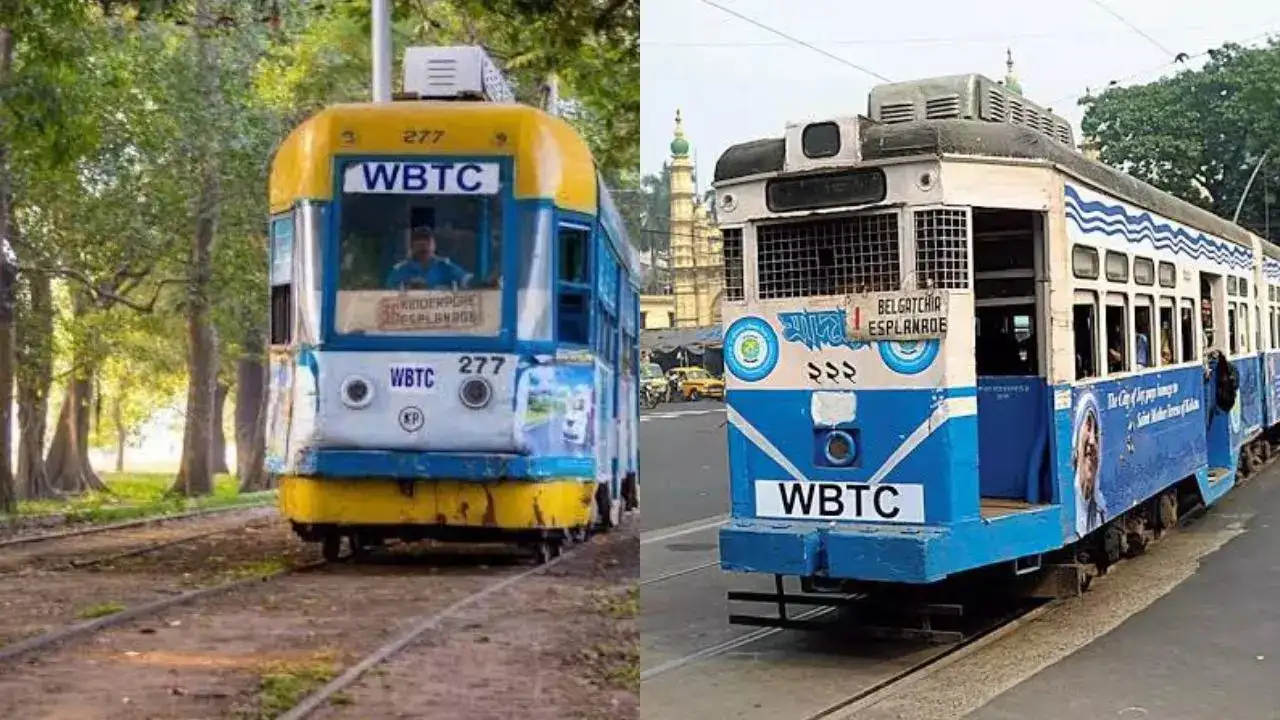
Kolkata’s tram system, the oldest operating network in Asia, is approaching a decisive turning point as the state government advances plans to withdraw regular services and retain only a limited heritage corridor. The proposal, now under judicial review, reflects the growing tension between rapid urban modernisation and the preservation of low-carbon, people-centric transport systems in one of India’s densest metropolitan regions.
For more than 150 years, trams have been embedded in Kolkata’s urban fabric, shaping neighbourhood mobility long before buses, private vehicles and metro rail dominated the streets. Today, however, the Kolkata tram network has been reduced to a handful of operating routes and a shrinking fleet, making its long-term viability a subject of policy, financial and urban design debate rather than sentiment alone. Senior transport officials argue that declining ridership, rising maintenance costs and severe congestion have weakened the system’s functional relevance. Narrow roads originally designed around tram corridors now carry far higher traffic volumes, leading to frequent bottlenecks. From an operational standpoint, the trams’ slow average speed has struggled to compete with buses and expanding metro services aimed at reducing commute times across the city.
Urban planners, however, caution that the discussion cannot be limited to efficiency metrics alone. Trams are electrically powered, produce no tailpipe emissions and occupy fixed corridors, making them one of the most climate-resilient surface transport options available to older cities. At a time when Indian metros are under pressure to cut transport-related emissions, the withdrawal of the Kolkata tram network raises broader questions about whether sustainability goals are being subordinated to short-term traffic management. The contraction of the network has also had economic implications. Over the past decade, several tram depots have been repurposed or sold, altering land use patterns in established commercial and residential zones. While redevelopment can unlock real estate value, urban economists note that the loss of transit-oriented infrastructure often shifts mobility costs onto lower-income commuters who rely on affordable public transport.
Civil society groups have challenged the proposed shutdown, citing statutory obligations to protect heritage infrastructure and the absence of a comprehensive transition plan for workers and regular users. Their legal intervention has temporarily slowed dismantling efforts, placing the future of the system in the hands of the courts. Transport policy analysts say the case could set an important precedent for how Indian cities balance heritage assets with infrastructure renewal. The state’s broader mobility strategy remains focused on metro expansion, arterial road widening and expressway development to support economic growth and reduce congestion.
These investments are significant, but experts emphasise that they are most effective when integrated with last-mile and surface transport rather than replacing it entirely. As the court examines the issue, Kolkata faces a strategic choice. Whether the tram system is phased out, partially retained or reimagined through modern rolling stock and dedicated corridors will signal how the city defines progress through speed alone or through a more inclusive, climate-aware approach to urban mobility. The outcome will resonate far beyond nostalgia, shaping how legacy cities adapt to 21st-century demands without erasing the infrastructure that once made them work.
Kolkata tram network nears shutdown debate