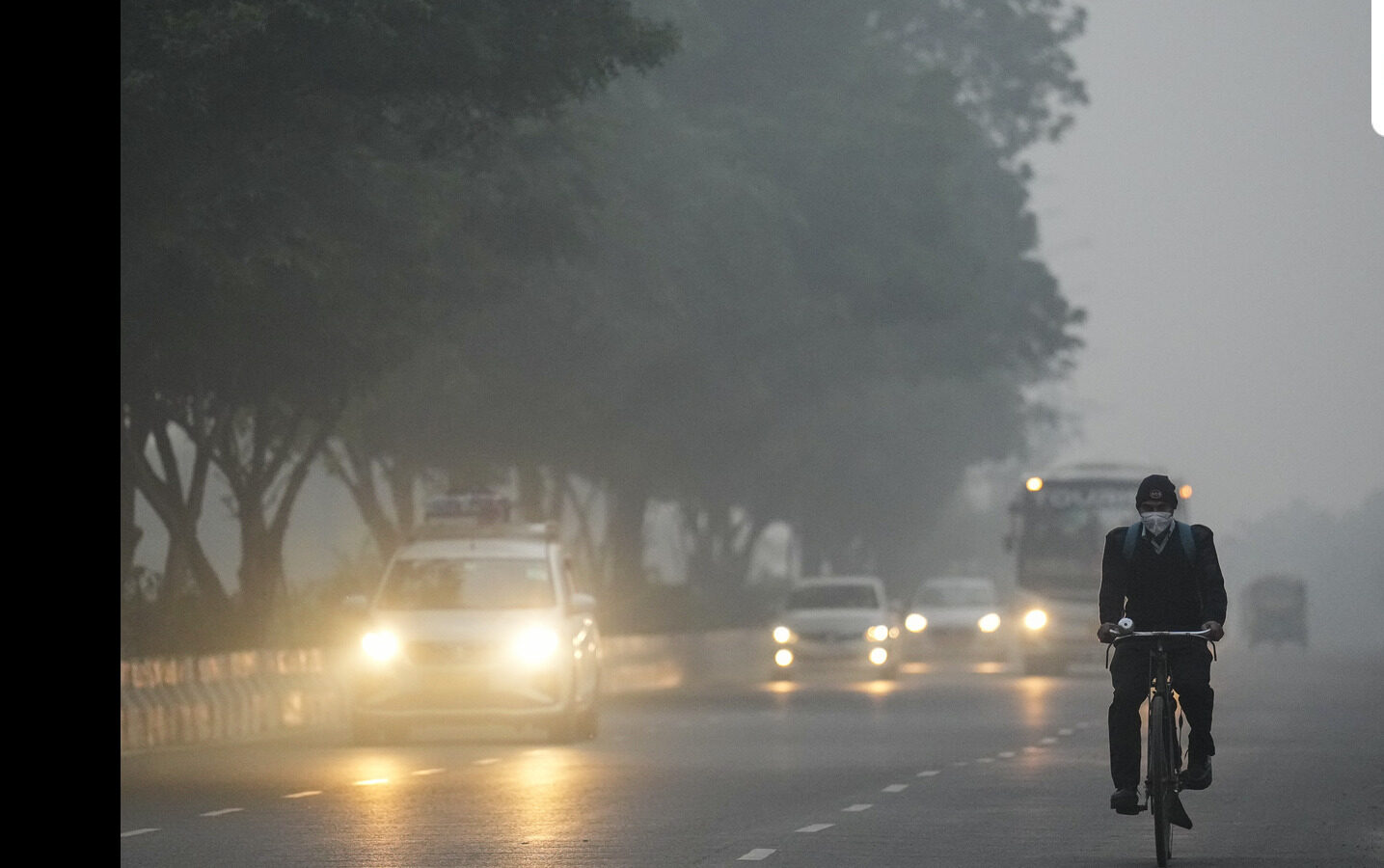
Pune experienced its first decisive winter chill of January this week as night-time temperatures dropped sharply across the city and its outskirts, signalling a renewed phase of colder conditions. The sudden cooling has altered daily routines, increased heating demand in homes, and highlighted the city’s vulnerability to short-term climate variability, even as long-term warming trends persist.
Data from official weather monitoring stations shows that minimum temperatures declined steadily over several days, moving from mid-teen levels to near 10 degrees Celsius. Peripheral areas of the district recorded even lower readings, with at least one defence-linked observatory reporting single-digit night temperatures. Urban climate observers describe this as the most pronounced cold spell of the month so far. Meteorologists attribute the cooling to a combination of cloudless skies, lower atmospheric moisture and northerly air flows that allow faster heat loss after sunset. Such conditions are typical of continental winter patterns but can feel more intense in dense urban environments where residents are acclimatised to milder nights. Clear mornings and stable daytime temperatures have followed, creating sharp contrasts between early hours and afternoons.
For households, the temperature drop has immediate implications. Energy use for water heating and space warming tends to rise during cold spells, placing additional pressure on electricity consumption in residential clusters. Urban planners note that such fluctuations reinforce the importance of climate-responsive building design, including insulation, natural ventilation control and passive solar features, particularly in affordable housing segments. The cold nights have also coincided with moderate air quality levels. Environmental health specialists caution that cooler temperatures can trap pollutants closer to the ground during early hours, potentially aggravating respiratory discomfort among vulnerable populations such as children, senior citizens and those with pre-existing conditions. While conditions remain within acceptable limits, sustained exposure could have cumulative health impacts in high-density neighbourhoods.
From an urban governance perspective, episodic cold spells serve as reminders that climate resilience is not limited to heatwaves or flooding. “Cities like Pune must plan for a wider range of temperature stresses,” said an urban climate expert, pointing to the need for better neighbourhood-level data and adaptive public health messaging during sudden weather changes. Transport authorities and civic departments reported no major disruptions, but early-morning commuters have faced colder-than-usual conditions, particularly in open or semi-open transit infrastructure. Experts suggest that improving sheltered walkways, bus stops and station design can enhance comfort without significant energy costs.
Weather officials expect minimum temperatures to remain relatively low for the next couple of days before gradually moderating. While no severe cold conditions are forecast, the current dip underscores how rapidly local weather patterns can shift. As Pune continues to expand, integrating short-term weather preparedness with long-term climate strategy will be critical. Designing homes, infrastructure and public services that can absorb both heat stress and cold variability will be central to building a resilient, people-first city.
Pune Sees Sharp January Temperature Drop