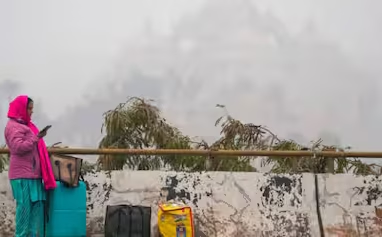
A prolonged spell of winter extremes is tightening its grip across large parts of India, with cold wave conditions forecast to persist in northern states while heavy rainfall threatens southern regions. For Delhi and the wider National Capital Region, the combination of low temperatures, persistent fog and elevated pollution levels is reinforcing concerns over urban resilience, transport reliability and public health during peak winter weeks.
Weather agencies have indicated that cold to severe cold conditions are likely to continue across Himachal Pradesh, Haryana and adjoining regions over the coming days. In Delhi-NCR, skies are expected to remain partly cloudy with repeated spells of fog during morning hours, keeping daytime temperatures suppressed. While minimum temperatures may fluctuate slightly, maximum readings are forecast to stay below seasonal norms, prolonging “cold day” conditions that limit atmospheric dispersion of pollutants.
Across northern and eastern India, dense to very dense fog is expected to affect visibility over multiple states, including Rajasthan, Uttar Pradesh, Punjab and Bihar. Such conditions routinely disrupt road, rail and air transport, with cascading economic effects for supply chains and daily commuters. Urban transport planners note that even short periods of reduced visibility can significantly slow freight movement and increase accident risks, particularly on high-density corridors. In contrast, southern India is bracing for intense rainfall. Heavy to very heavy precipitation, accompanied by thunderstorms, is forecast over parts of Tamil Nadu, Kerala and coastal regions. These rain events, while crucial for water reservoirs, also pose challenges for urban drainage systems and housing stock, especially in flood-prone low-lying areas. Infrastructure experts point out that uneven weather patterns across the country highlight the growing complexity of climate management for city administrations.
The cold wave has also brought the risk of ground frost in hill and northeastern states, affecting agriculture, construction activity and rural mobility. Frost conditions can damage crops and delay infrastructure projects, adding to cost pressures already faced by the construction and real estate sectors during winter slowdowns. For Delhi, the persistence of fog and cold air has wider implications beyond comfort. Reduced sunlight and low wind speeds contribute to pollution build-up, keeping air quality under stress despite emission-control measures. Health specialists warn that prolonged exposure to cold and polluted air disproportionately affects children, the elderly and outdoor workers, raising the importance of responsive urban health systems.
From a policy perspective, the current weather pattern underlines the need for climate-adaptive urban planning. Cities must prepare simultaneously for cold stress, air quality episodes and extreme rainfall, often occurring in different regions at the same time. Investments in weather-resilient infrastructure, improved forecasting integration and flexible work and mobility arrangements are increasingly seen as essential rather than optional. As forecasts suggest continued volatility through mid-January, authorities across states are expected to remain on alert. The coming days will test how effectively cities can coordinate weather preparedness with transport, health and infrastructure management an ability that will define urban resilience in an era of more frequent and intense climate extremes.
Delhi NCR fog and cold strain infrastructure