


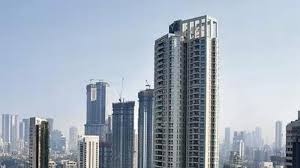
Real estate activity across the Mumbai Metropolitan Region is gathering pace, with fresh construction contracts and high-value residential transactions underscoring renewed confidence in the property market. Recent developments in Alibaug and Worli highlight how both institutional players and private wealth are shaping the region’s evolving urban footprint, even as questions of sustainability and balanced growth move closer to the centre of policy and planning debates.
On the development front, a major residential project in Alibaug has been awarded to a Mumbai-based construction firm by one of the country’s largest real estate developers. The mandate involves delivering a high-density residential tower along with supporting infrastructure, covering more than seven lakh square feet of built-up area. Industry observers note that Alibaug’s transformation from a weekend destination to a full-fledged housing market reflects spillover demand from Mumbai, driven by congestion, lifestyle shifts and improving regional connectivity. A senior construction industry official said such projects signal a broader move towards peripheral growth corridors, where land availability allows developers to plan integrated housing while easing pressure on the city core. However, urban planners caution that rapid construction in coastal and low-lying zones must be matched with climate-sensitive design, water management systems and resilient infrastructure to avoid long-term environmental costs. At the other end of the market, Mumbai’s ultra-luxury housing segment continues to attract significant private capital. Recent registration data shows a high-value transaction in Worli involving the purchase of multiple premium apartments within a single residential tower. The deal, among the largest recorded in the locality, reflects sustained appetite for sea-facing, centrally located homes among India’s new wealth creators.
Market analysts point to a growing pattern of entrepreneurs from knowledge-driven sectors such as pharmaceuticals and technology investing heavily in real estate. This shift is partly driven by post-pandemic wealth creation and a preference for tangible assets that offer both long-term security and lifestyle value. According to property consultants, such transactions have played a key role in supporting price stability in Mumbai’s top-end residential markets, even as affordability pressures persist elsewhere. The contrast between expanding suburban development and concentrated luxury demand within the city highlights the dual challenges facing Mumbai’s urban future. While large projects create jobs and stimulate allied industries, experts stress the need for inclusive planning that balances premium housing with accessible, well-serviced homes for middle-income residents. Transport integration, energy efficiency and reduced construction emissions are increasingly seen as non-negotiable elements of responsible growth.
As Mumbai and its surrounding regions continue to absorb investment, policymakers and developers alike face a critical task: ensuring that capital inflows translate into resilient neighbourhoods rather than fragmented urban sprawl. The coming years will test whether the region can align economic momentum with environmental prudence and social equity an outcome that will define the next chapter of India’s most complex urban market.
Also Read: Mumbai Urban Development Minds Take Centre Stage
Mumbai Region Real Estate Sees Capital And Construction Surge
