


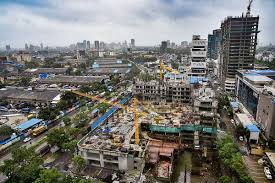
Mumbai’s housing regulator is preparing for its most extensive safety assessment of ageing rental buildings in decades, with plans to structurally evaluate every cessed property in the city before the next monsoon cycle. The move marks a shift from selective inspections to a citywide diagnostic exercise, reflecting rising concerns around monsoon-linked building failures, tenant safety, and stalled redevelopment across the island city.
More than 13,000 cessed buildings many constructed before Independence fall under the jurisdiction of the city’s repair and reconstruction board. These structures house tens of thousands of residents, often in dense neighbourhoods where evacuation options are limited and redevelopment has remained mired in legal, ownership, and consent-related disputes. Urban planners say the scale of the proposed audit signals institutional recognition that incremental checks are no longer sufficient in a city facing heavier rainfall and ageing infrastructure. In previous years, authorities typically examined only a small subset of buildings through detailed structural audits, while others were assessed visually. This approach frequently resulted in emergency notices just weeks before the monsoon, leaving residents with little time to relocate or negotiate redevelopment terms. A comprehensive audit is expected to provide clearer risk mapping well in advance, allowing for more orderly decision-making. According to officials familiar with the planning process, the upcoming exercise will involve multiple independent engineering firms working in parallel to assess structural stability, material fatigue, and load-bearing capacity.
Buildings already showing signs of distress will be prioritised. The estimated cost of the programme runs into several tens of crores, underlining the financial scale of maintaining legacy housing stock in a high-density coastal city. The implications extend beyond safety. Once completed, the audit is likely to significantly expand the list of buildings classified as dangerous or unfit for occupation. That, in turn, could accelerate redevelopment activity under existing housing regulations, particularly where public authorities are empowered to step in if private negotiations fail. However, past experience suggests that redevelopment is rarely linear, often delayed by litigation, fragmented ownership, and disputes over rehabilitation terms. From a climate resilience perspective, the initiative arrives at a critical juncture. Mumbai has witnessed repeated building collapses during intense monsoon spells, exacerbated by corrosion, water seepage, and deferred maintenance. Urban resilience experts argue that proactive structural assessment is essential not only for preventing loss of life but also for guiding low-carbon redevelopment that replaces unsafe buildings with energy-efficient, disaster-resilient housing.
As the city prepares to commission the audits once administrative clearances are in place, the challenge will lie in translating technical findings into timely action. Whether through repairs, evacuation, or redevelopment, the success of the exercise will ultimately be measured by safer living conditions and a clearer pathway for renewing Mumbai’s oldest housing stock without displacing its most vulnerable residents.
Also Read: Mumbai Bullet Rail Project Reaches Engineering Milestone
Mumbai Housing Authority Prepares Massive Safety Review
