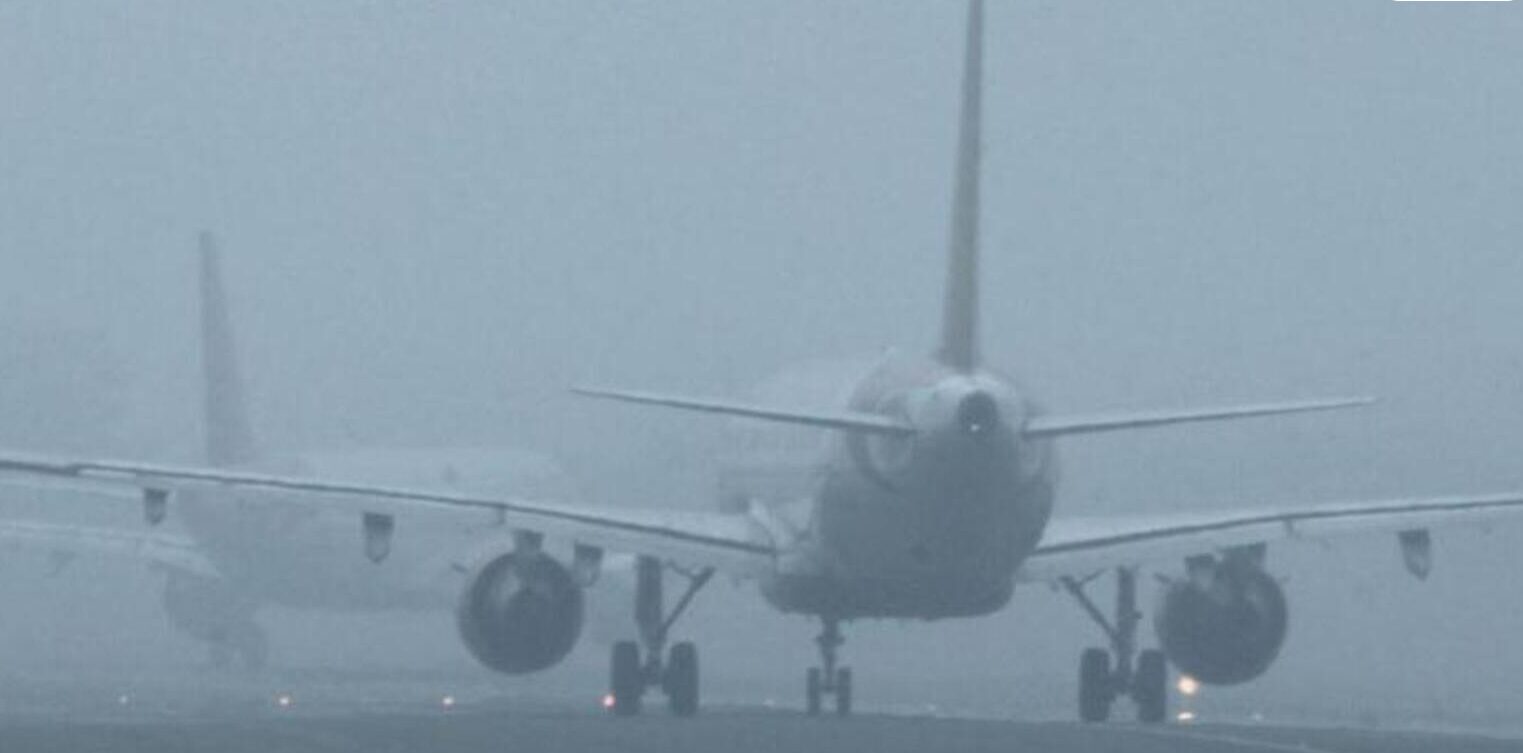
Delhi experienced another fog-laden morning as dense winter conditions reduced visibility across the city, disrupting mobility systems and reinforcing the capital’s recurring challenge of weather-linked urban stress. Low visibility at Indira Gandhi International Airport triggered operational advisories, highlighting how seasonal fog continues to test transport resilience in one of India’s fastest-growing metropolitan regions.
Visibility levels dropped sharply during early morning hours, affecting road traffic and aviation alike. Airport authorities confirmed that flight movements were being managed under advanced low-visibility protocols, allowing arrivals and departures to continue with caution. However, aviation analysts noted that such conditions often lead to schedule compression, delays, and higher operational costs, especially during peak winter travel periods. Meteorological agencies have indicated that Delhi is likely to see persistent foggy mornings over the coming days, driven by stable atmospheric conditions, weak winds, and seasonal temperature inversions. While daytime temperatures are expected to remain close to seasonal norms, cooler nights and early mornings are creating conditions that trap moisture and pollutants close to the ground.
This combination has implications beyond inconvenience, affecting health outcomes, productivity, and energy consumption across the city.
The Delhi fog disruption has once again brought attention to the city’s dependence on weather-sensitive infrastructure. Urban transport experts point out that while airports and airlines have invested in advanced navigation and landing systems, ground connectivity often bears the brunt of visibility-related slowdowns. Road accidents, longer commute times, and reduced public transport efficiency are common side effects during prolonged fog episodes.
Air quality data added another layer of concern. Monitoring stations across the city reported pollution levels in the poor to very poor range, a pattern frequently associated with winter fog. Environmental planners explain that fog does not cause pollution but exacerbates its impact by preventing dispersion. This creates compounded risks for outdoor workers, children, and older residents, particularly in dense residential and industrial zones. For the real estate and urban development sectors, recurring fog and pollution episodes are shaping new priorities. Developers are increasingly incorporating air filtration, improved ventilation, and microclimate-sensitive design into residential and commercial projects. However, industry experts caution that building-level interventions must be supported by citywide measures, including cleaner transport systems, better construction management, and regional coordination on emissions.
From a climate resilience perspective, Delhi’s winter fog underscores the need for integrated urban planning that anticipates seasonal disruptions. Strengthening early warning systems, improving public communication, and aligning transport schedules with meteorological forecasts can help reduce economic losses and commuter stress. As Delhi continues to expand as a national and global hub, managing the impacts of the Delhi fog disruption will be critical to ensuring that growth remains inclusive, efficient, and resilient in the face of predictable climatic challenges.
Delhi Winter Fog Tests Airport And City Systems