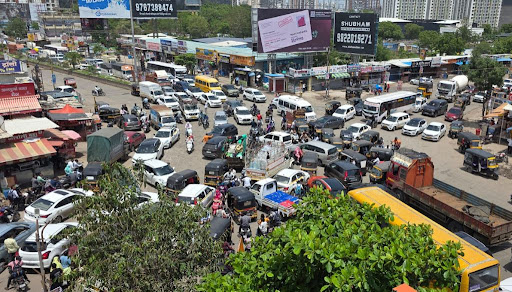
Pune’s urban governance has returned to the centre of political and civic debate after a senior state leader publicly questioned the city’s ability to convert large public funding into visible improvements on the ground. Speaking at a public gathering in the western suburb of Baner ahead of municipal elections, the leader pointed to persistent gaps in basic services, arguing that leadership accountability at the local level will be a decisive issue for voters.
The remarks come at a time when Pune is managing the pressures of rapid population growth, urban sprawl, and ageing infrastructure. Despite receiving substantial financial allocations from both the Union and Maharashtra governments over recent years, residents continue to report uneven water supply, mounting waste management challenges, and deteriorating road and drainage networks. Urban analysts say these issues highlight the growing disconnect between capital expenditure approvals and execution capacity within city administrations.The criticism was framed less as a partisan attack and more as a governance challenge, with an emphasis on outcomes rather than funding availability. According to senior officials familiar with municipal operations, Pune has no shortage of sanctioned projects, but faces delays linked to fragmented decision-making, limited coordination between agencies, and frequent changes in administrative leadership. These structural weaknesses, they argue, undermine long-term planning in areas such as climate resilience, mobility, and basic service delivery.
The timing is significant. With civic polls approaching after an extended period of administrator-led governance, questions around democratic accountability and local leadership have gained traction. Urban planners note that prolonged absence of elected councils often slows community-level problem solving, particularly in fast-growing wards where infrastructure demand outpaces delivery. Water security, solid waste processing, and maintenance of older neighbourhoods have emerged as key voter concerns. The statements have also exposed strains within the ruling alliance, with allies responding defensively to the critique. However, policy observers suggest that the debate reflects a broader recalibration underway in Indian cities, where voters are increasingly evaluating leaders on municipal performance rather than state or national rhetoric. In Pune’s case, its status as a major IT, education, and manufacturing hub makes efficient urban management central to economic competitiveness.
From a business and real estate perspective, governance lapses have tangible consequences. Delays in civic works affect construction timelines, increase compliance costs, and reduce the attractiveness of emerging growth corridors. Industry experts warn that without stronger municipal leadership, Pune risks losing its edge to peer cities that are investing more aggressively in infrastructure reliability, sustainable services, and predictable regulation. Environmental concerns add another layer to the challenge. Inconsistent waste management and water supply stress local ecosystems and increase the city’s vulnerability to climate extremes, including floods and heat stress.
Integrating sustainability into everyday civic functioning requires empowered local leadership capable of aligning budgets, planning, and execution. As the election cycle gathers momentum, the focus on Pune civic leadership is likely to sharpen. For residents, the immediate question is not the availability of funds, but whether future leadership can translate resources into cleaner streets, reliable services, and resilient infrastructure. The outcome will shape not only the city’s liveability, but also its long-term growth trajectory.
Pune Civic Leadership Faces Development Accountability Test