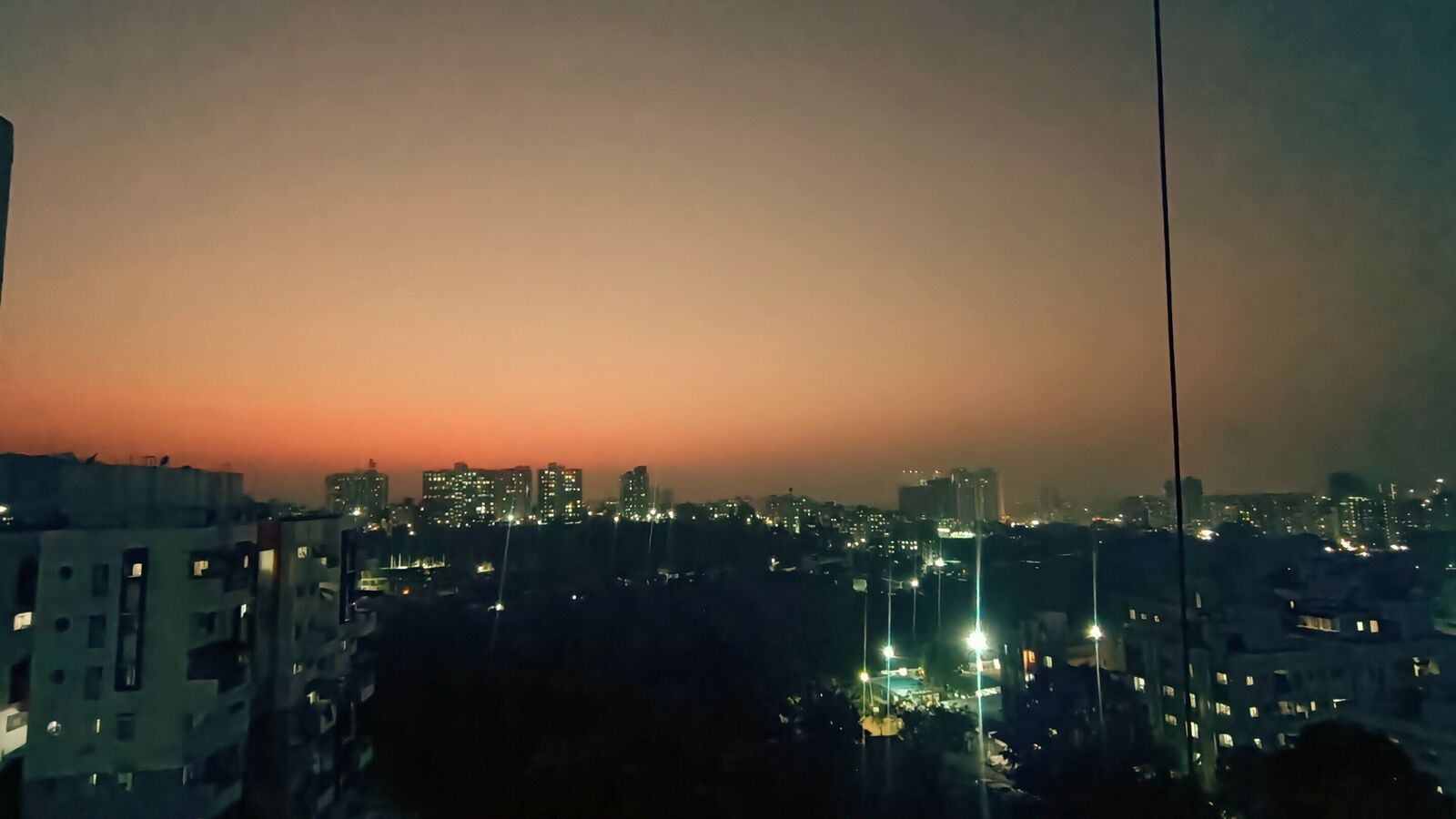
Pune is experiencing an atypical winter pattern as night-time temperatures climb well above seasonal norms, signalling a shift in regional weather dynamics with implications for urban comfort, energy demand, and climate resilience. Meteorological data from across the city shows that minimum temperatures have risen sharply over the past few days, even as skies remain largely clear.
Several monitoring stations reported elevated night-time readings over the weekend. Central Pune and adjoining localities recorded minimum temperatures several degrees higher than long-term averages, while the city’s eastern aviation-linked zone saw an especially pronounced departure from normal winter lows. Weather officials attribute this trend to a combination of haze, reduced humidity variation, and increased moisture inflow into the lower atmosphere. According to meteorologists tracking the pattern, the weakening of cold northerly winds typically responsible for sharp winter cooling in the Deccan plateau has reduced heat loss during night hours. At the same time, moisture incursion is acting as a thermal blanket, trapping heat closer to the surface. This phenomenon results in warmer nights even when daytime conditions do not appear extreme.
For residents, the change is subtle but consequential. Warmer nights affect sleep quality, alter household energy use, and place additional stress on vulnerable groups such as senior citizens. Urban health specialists note that fluctuating winter temperatures can also influence respiratory conditions, particularly when haze persists in the lower atmosphere. From a city planning perspective, the pattern underscores how mid-sized cities like Pune are increasingly exposed to climate variability. Unlike coastal metros, Pune has historically relied on cooler nights to offset warm days. As this natural cooling diminishes, demand for mechanical ventilation and air conditioning may rise, adding pressure on electricity networks and household budgets.
Meteorological bulletins indicate that this phase of elevated minimum temperatures is unlikely to change dramatically in the immediate term. Over the next 24 hours, conditions across much of Maharashtra are expected to remain stable, followed by a gradual cooling trend later in the week. However, experts caution that such short-term drops do not negate the broader variability being observed across seasons. The weather situation in Pune is also linked to larger atmospheric systems active across the subcontinent. Upper-air circulations over eastern and southern maritime regions are influencing moisture transport inland, while northern India continues to grapple with persistent fog. Dense fog conditions have already disrupted transport in several northern cities, highlighting how interconnected weather systems can create contrasting impacts across regions.
Urban economists point out that weather volatility increasingly affects city productivity from aviation schedules and logistics to construction timelines. For Pune, a city with a growing services economy and expanding built environment, adapting to such shifts will require smarter building design, increased urban greenery, and materials that reduce heat retention. As climate patterns evolve, Pune’s warmer winter nights may become less of an anomaly and more of a signal. For policymakers and developers alike, the current conditions serve as a reminder that urban resilience is no longer only about managing extremes, but also about adapting to quieter, incremental changes that reshape daily life and long-term energy use.
Pune Records Unusual Rise In Night Temperatures