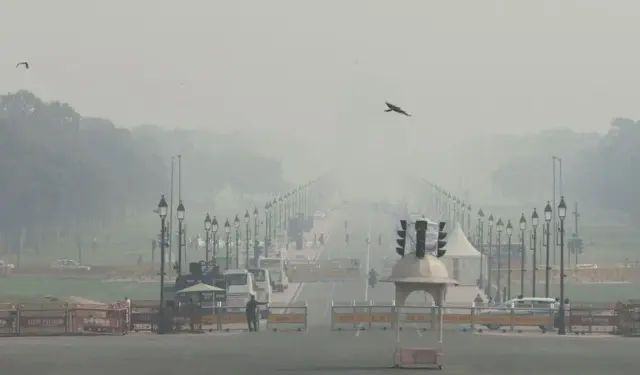
Delhi’s municipal administration has launched a time-bound civic renewal programme aimed at improving public spaces, neighbourhood infrastructure, and visual quality across large parts of the capital. Scheduled for completion by the end of January, the initiative brings together greening, sanitation, lighting, and street-level repairs an approach city officials say is designed to deliver quick but visible gains in liveability ahead of peak public movement periods.
At the centre of the effort is a renewed focus on green infrastructure. Parks, market roads, and major junctions are being landscaped with non-thorny flowering species, while vertical gardens are being installed on bridge piers and metro columns at prominent transport nodes. Urban ecologists note that such interventions, though modest in scale, can help lower surface temperatures, trap dust, and soften the visual impact of heavy traffic corridors. Water features in several large parks and recreational spaces are also being restored to working condition. Civic engineers involved in the programme say these assets had suffered from inconsistent maintenance, reducing their value as cooling and leisure elements. Their revival is expected to improve footfall and extend the usable hours of public spaces, particularly in dense residential zones.
Cleanliness and waste management form another major pillar. Municipal teams are deploying thousands of new litter bins, clearing kilometres of central medians, and removing legacy garbage dumps along arterial roads. Urban planners argue that such corridor-level clean-ups are critical not only for aesthetics but also for traffic safety, drainage performance, and public health especially in areas with high pedestrian activity. The Delhi civic beautification drive also includes the redesign of underused traffic islands and spaces beneath flyovers. These areas are being converted into landscaped pockets featuring sculptures, vertical greenery, and digital signage. Experts say reclaiming these residual spaces can change how citizens perceive infrastructure-heavy neighbourhoods, turning previously neglected zones into identifiable urban markers.
Street infrastructure upgrades are running in parallel. Dozens of roads are undergoing surface repairs, while damaged footpaths and manholes are being fixed or replaced. For mobility advocates, these works are particularly significant, as uneven pavements and exposed utility covers disproportionately affect senior citizens, children, and people with disabilities. Electrical safety and night-time visibility have also been prioritised. Loose overhead cables are being removed from heritage districts and commercial areas in coordination with power utilities, while lighting levels are being enhanced at parks, civic complexes, and tourist-facing zones. Better illumination, officials say, supports both safety and extended economic activity after dark.
While the programme is not positioned as a long-term urban overhaul, analysts see it as an example of tactical urbanism small, targeted interventions that can quickly improve everyday experience. The challenge, they caution, will be sustaining these upgrades beyond the deadline through routine maintenance and community stewardship. As Indian cities compete on quality of life as much as economic output, the Delhi civic beautification initiative underscores how incremental investments in public space can strengthen urban confidence, attract visitors, and reinforce the idea of streets and parks as shared civic assets rather than leftover infrastructure.
Delhi Unveils Citywide Civic Upgrade Programme