


India’s aviation landscape is undergoing one of its fastest infrastructure expansions since independence, with new airports or major aviation facilities being added at intervals of less than two months. The pace reflects a strategic shift in national transport planning, positioning air connectivity as a catalyst for regional growth, economic integration, and urban decentralisation rather than a metro-centric utility.
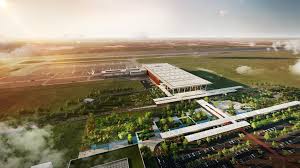
According to senior government officials overseeing civil aviation, the country’s operational airport network is expanding alongside a sharp rise in aircraft induction by domestic carriers. India currently supports a fleet of more than 840 commercial aircraft, with further additions expected over the next year as airlines scale capacity to meet sustained passenger demand. This dual expansion of aircraft and airports signals a structural transformation of the aviation ecosystem. Several large greenfield airports are central to this strategy. A new international hub near the national capital is approaching operational readiness, while upcoming facilities on the eastern coast and in western India are expected to strengthen connectivity for regions historically dependent on road and rail travel. Urban planners note that these projects are not merely transport upgrades but anchors for new economic clusters, logistics corridors, and employment zones. Policy reforms have played a critical role in accelerating the rollout. The removal of earlier distance restrictions between airports has enabled large metropolitan regions to plan multiple aviation nodes, easing congestion and distributing passenger flows more efficiently. In parallel, the adoption of liberalised air service arrangements at select airports has expanded international access for non-metro cities, reducing pressure on traditional gateway hubs.
Industry experts point out that the implications extend beyond aviation. Improved air access is increasingly shaping real estate development patterns, influencing where companies locate offices, where tourism investments flow, and how cities expand spatially. Secondary cities with reliable air links are emerging as viable alternatives to overcrowded metros, supporting more balanced urbanisation. However, the speed of expansion also raises questions around sustainability and governance. Aviation infrastructure is energy-intensive, and experts stress the importance of integrating renewable power, efficient terminal design, and low-emission ground transport into airport planning. Without such measures, rapid growth risks locking cities into high-carbon mobility systems. There are also equity considerations. While new airports promise economic opportunity, urban economists caution that benefits must extend beyond commercial districts to surrounding communities. Affordable public transport links, inclusive employment policies, and careful land-use planning are essential to prevent speculative development and displacement.
Looking ahead, the success of India’s airport expansion will depend on how well infrastructure delivery aligns with long-term urban resilience goals. If executed thoughtfully, the current momentum could redefine national mobility, shorten economic distances between regions, and support a more distributed model of growth. If not, it risks reinforcing existing inequalities while straining environmental systems already under pressure.
Also Read: Vijayawada Struggles To Regain Infrastructure Leadership
India Airport Construction Signals Infrastructure Decentralisation
