


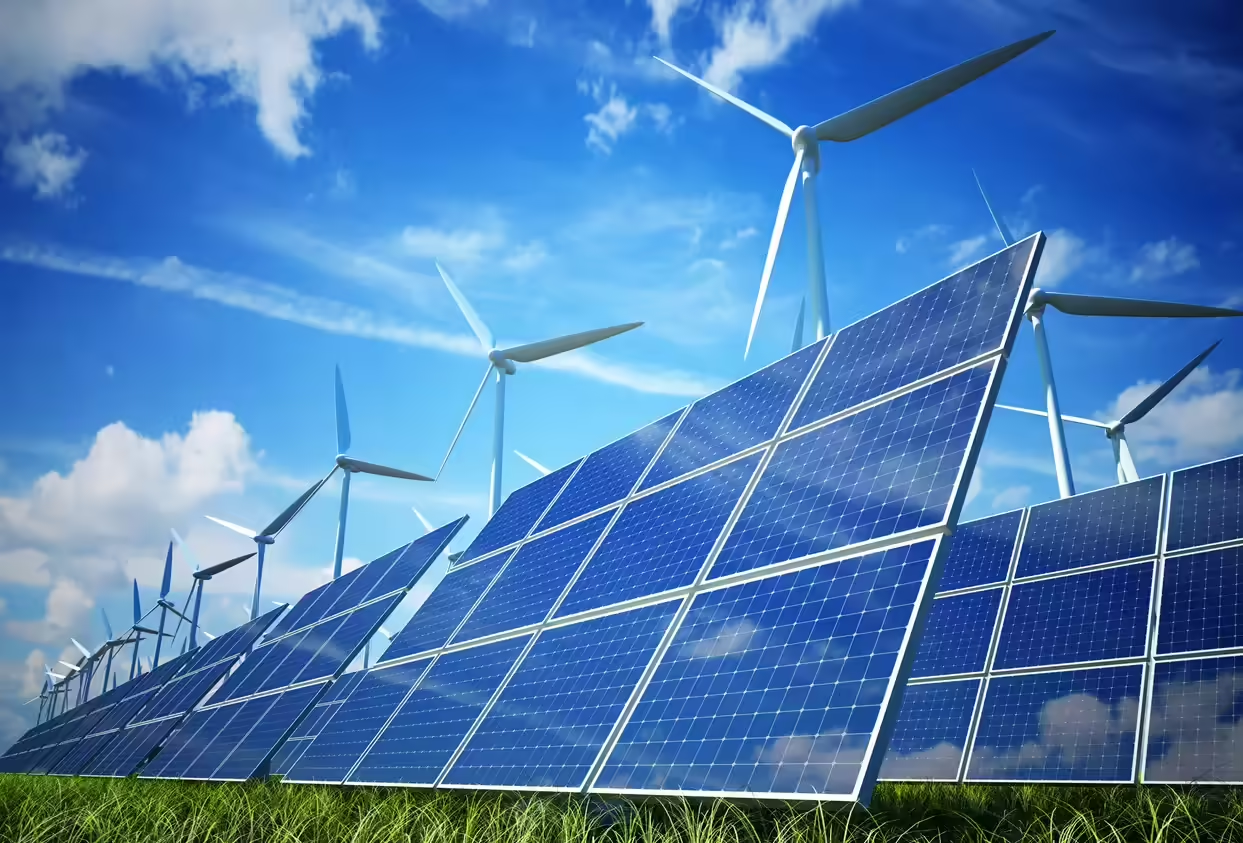
India’s decentralised clean energy transition gained momentum this week as KPI Green Energy secured regulatory clearance to integrate over 32 megawatts of solar and hybrid capacity into the national power grid. The approvals enable the projects developed for industrial and commercial users to begin supplying electricity, marking a critical step in translating installed renewable capacity into usable power for energy-intensive sectors.
The grid connectivity clearance covers a mix of solar and hybrid installations executed under the company’s captive power producer framework. Such projects are designed to allow businesses to generate electricity for their own consumption, reducing dependence on conventional grid power while improving cost predictability and emissions performance. Industry analysts say the captive model is increasingly shaping India’s renewable market, particularly in manufacturing-led growth corridors. Grid charging and energisation approvals are issued only after projects meet stringent technical and safety benchmarks laid down by transmission authorities. These include compliance with grid stability norms, synchronisation standards, and real-time monitoring requirements. Officials familiar with the process note that connectivity approvals often represent the final regulatory hurdle before commercial operations can begin, making them a strong indicator of execution capability rather than pipeline intent.
The latest clearance strengthens KPI Green Energy’s operational footprint within the captive and group captive segment, which has seen rising interest as companies respond to volatile power tariffs and tighter sustainability reporting norms. Energy consultants point out that captive renewable projects offer firms long-term price visibility while helping them meet environmental, social and governance commitments without relying solely on renewable purchase obligations. From an infrastructure perspective, the development highlights how distributed renewable assets are becoming embedded within India’s broader power ecosystem. Rather than large centralised plants alone, grid operators are increasingly managing multiple smaller injection points, requiring higher coordination, forecasting accuracy, and digital monitoring. Experts argue that this shift is essential for building a resilient, low-carbon electricity system capable of supporting urbanisation and industrial expansion. The approval also reflects the growing role of private developers in accelerating India’s clean energy targets through execution-driven models. While policy frameworks have encouraged renewable capacity addition, actual grid integration remains a bottleneck in several states. Projects that successfully navigate this stage help ease pressure on fossil-based generation while improving local energy security.
Looking ahead, sector specialists suggest that the pace of captive renewable deployment will depend not only on policy stability but also on grid readiness and transmission upgrades. As more industrial users seek direct access to clean power, ensuring timely approvals and robust grid infrastructure will be critical to sustaining momentum without compromising reliability.
Also Read: Mumbai Infrastructure Projects Face Closer Air Pollution Scrutiny
KPI Green Energy Strengthens Captive Power Portfolio
