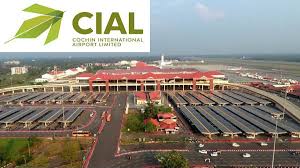
Kochi International Airport is laying the groundwork for a transformative expansion strategy as it seeks to shape operations and infrastructure over the next 25 years. Cochin International Airport Limited (CIAL) has invited tenders from experienced agencies to develop a comprehensive master plan that will guide physical, operational, and commercial growth across the airport campus.
The initiative aims to address the long-term requirements for airside and landside infrastructure. Aviation components under review include additional runways, taxiways, aircraft parking bays, and passenger terminal capacity, with a focus on phased expansion aligned with projected air traffic growth. A senior airport planning official highlighted that a second runway, long considered necessary, has been repeatedly delayed due to logistical constraints and challenges related to land acquisition. Cargo infrastructure, including dedicated terminals and integrated logistics facilities, will also form a critical part of the plan, alongside maintenance, repair, and overhaul provisions.Beyond aviation operations, CIAL’s master plan will examine land-use optimisation within its campus to support non-aeronautical revenue streams. Proposed considerations include commercial and office zones, hospitality development, and retail assets, all designed to complement airport functionality while boosting economic returns. Internal circulation, utility corridors, parking, and multimodal connectivity with the surrounding urban area are also expected to be integrated, reflecting a broader trend in airport planning that prioritises seamless urban integration and sustainable mobility.
Urban development experts note that such long-term planning is essential not only for airport efficiency but also for regional economic growth. With Kochi serving as a critical southern Indian aviation hub, systematic infrastructure development can catalyse employment, encourage logistics investments, and support tourism while reducing congestion in surrounding transport corridors. Embedding future-proof planning principles, including climate resilience, low-carbon operations, and people-centric access, is increasingly recognised as crucial for airports in rapidly urbanising regions.CIAL’s previous master plans have outlined similar expansion ambitions, but execution has been inconsistent, according to sources familiar with internal planning. The current initiative aims to consolidate these earlier strategies into a cohesive roadmap that prioritises actionable milestones and measurable outcomes, rather than theoretical proposals.
Once finalised, the 25-year master plan will guide CIAL’s investment and development decisions, determining where infrastructure, commercial development, and sustainability initiatives are implemented. For Kochi and Kerala at large, the plan could shape the future of air transport connectivity, urban logistics, and regional economic activity, underscoring the airport’s role as both a transportation node and an urban growth engine.