


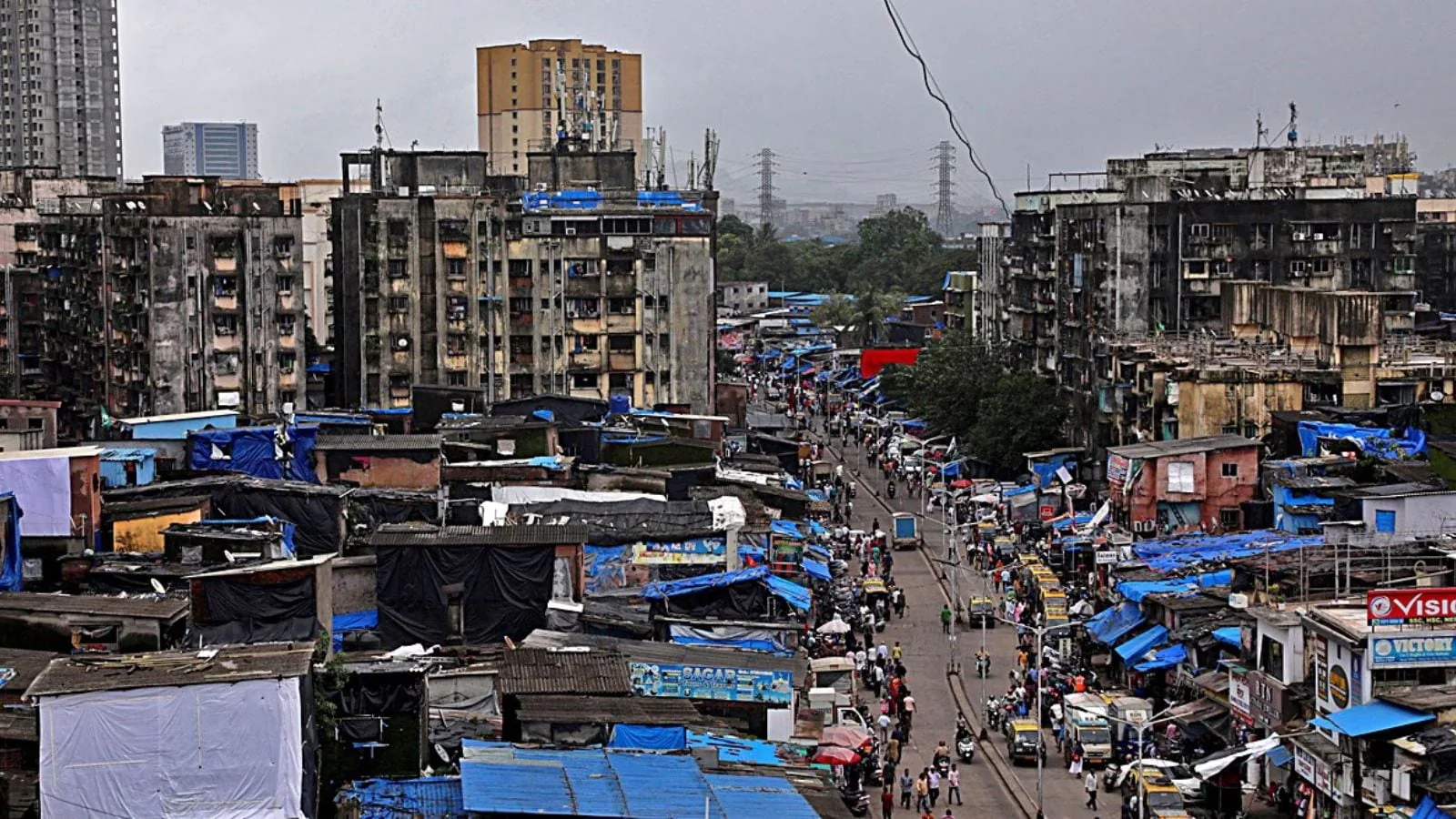
A Mumbai-based real estate professional with a long track record in slum rehabilitation has received international recognition at a ceremony held within the UK Parliament, drawing attention to the often-overlooked role of redevelopment in shaping more inclusive cities. The honour reflects how decades of work within Mumbai’s informal housing landscape have contributed to formal housing access for thousands of urban households.
The recognition was conferred during an international academic convention held at the House of Lords, where industry-linked contributions to society and the built environment were acknowledged. While honorary degrees do not replace academic credentials, urban development experts say such awards increasingly highlight practitioner-led impact in cities facing acute housing shortages. Over the past three decades, the Mumbai developer has been closely associated with Slum Rehabilitation Authority (SRA) projects, a cornerstone of the city’s housing policy. Introduced to address informal settlements through in-situ redevelopment, the SRA model aims to balance private development incentives with the public objective of secure, permanent housing for low-income residents. Urban planners note that slum redevelopment remains one of Mumbai’s most complex challenges. Dense populations, land ownership disputes, financing constraints and community negotiations often deter developers from entering the sector. Those who do engage must navigate regulatory frameworks while ensuring minimal displacement and continuity of livelihoods. According to senior housing officials familiar with the sector, redevelopment initiatives completed since the mid-1990s have enabled families to transition from vulnerable living conditions into structurally safe apartments with access to sanitation, water supply and legal tenure. These changes have broader ripple effects, improving health outcomes, educational stability and economic mobility.
The developer’s portfolio reportedly spans multiple rehabilitation projects, with a focus on compact, functional housing designed for high-density neighbourhoods. Industry observers highlight that such work, while less visible than luxury real estate, forms the backbone of Mumbai’s urban resilience by upgrading ageing informal settlements rather than pushing populations to the city’s fringes. Economists point out that formalising housing assets also has financial implications. Secure tenure allows households to participate more fully in the urban economy, access credit and invest in education or small businesses. At a city level, redevelopment supports better land use efficiency and reduces pressure on peripheral greenfield expansion. The international acknowledgement comes at a time when Indian cities are reassessing housing strategies in the face of climate risk. Experts stress that slum redevelopment must increasingly integrate flood resilience, energy efficiency and open-space planning to withstand extreme weather events common to coastal metros like Mumbai. Looking ahead, urban policy specialists argue that sustained collaboration between developers, civic bodies and communities will be essential. Recognition of long-term practitioners underscores the importance of experience-driven redevelopment models that prioritise dignity, safety and inclusion.
As Mumbai continues to grapple with housing demand, such global acknowledgement serves as a reminder that incremental, ground-level urban renewal plays a critical role in building equitable and climate-resilient cities.
Also Read: Shelaji Borivali Project Highlights Luxury Housing Trends
Mumbai Slum Redevelopment Work Gains Global Recognition
