


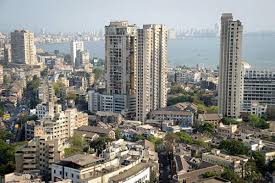
Mumbai closed calendar year 2025 with its most robust real estate performance in more than a decade, as property registrations crossed the 1.5 lakh mark for the first time since 2011. Official registration and stamp duty records show over 150,000 properties were transacted across the municipal region, underlining sustained buyer confidence in India’s most land-constrained housing market. The milestone carries wider implications for urban revenue stability, housing supply planning, and long-term city resilience.
Mumbai property registrations rose by about six per cent compared with 2024, while stamp duty collections increased at a faster pace, climbing 11 per cent year-on-year to nearly Rs 13,500 crore. The sharper rise in revenue reflects improving transaction values, particularly in the residential segment, and highlights the sector’s growing contribution to municipal and state finances at a time when cities are seeking predictable revenue streams for infrastructure investment. Momentum remained strong through the year’s final quarter. December alone recorded over 14,000 registrations, a sharp sequential increase from November and one of the strongest month-end performances in recent years. Industry observers say this indicates that demand was not front-loaded earlier in the year but sustained across quarters, pointing to a structurally healthier market rather than a short-term surge driven by incentives. Residential housing continued to anchor activity, accounting for roughly four-fifths of all transactions. Smaller homes under 1,000 sq ft dominated volumes, reflecting affordability constraints and changing household preferences in a high-density city. At the same time, the growing share of mid-range homes priced between Rs 1 crore and Rs 2 crore suggests expanding participation beyond entry-level buyers, supported by stable employment conditions and access to home finance.
Urban planners note that this pattern has implications for sustainable city growth. Compact housing supports transit-oriented development and lower per-capita resource consumption, but also places pressure on social infrastructure, open spaces and neighbourhood services. Ensuring that higher volumes translate into better liveability will require coordinated planning across transport, utilities and public amenities. Real estate industry leaders described the performance as evidence of deep-rooted confidence in Mumbai’s housing market. According to sector bodies and market advisors, buyers responded positively to a wider range of options across new launches and resale inventory, as well as greater transparency in pricing and delivery timelines. Developers, meanwhile, emphasised the importance of aligning new supply with end-user expectations rather than speculative demand. Geographically, well-connected suburban corridors continued to attract steady interest, benefiting from recent transport upgrades and proximity to employment hubs. This decentralisation of demand is gradually easing pressure on the island city while reinforcing the need for balanced infrastructure investment across the metropolitan region.
As Mumbai enters 2026, analysts expect activity to remain resilient, though growth may moderate as affordability and land availability remain key constraints. The challenge ahead lies in converting strong Mumbai property registrations into a more inclusive, climate-resilient housing ecosystem one that supports economic opportunity while improving quality of life in India’s most complex urban environment.
Also Read: Mumbai Ultra Luxury Homes Reset National Price Benchmarks
Mumbai Property Registrations Reach Fourteen Year High
