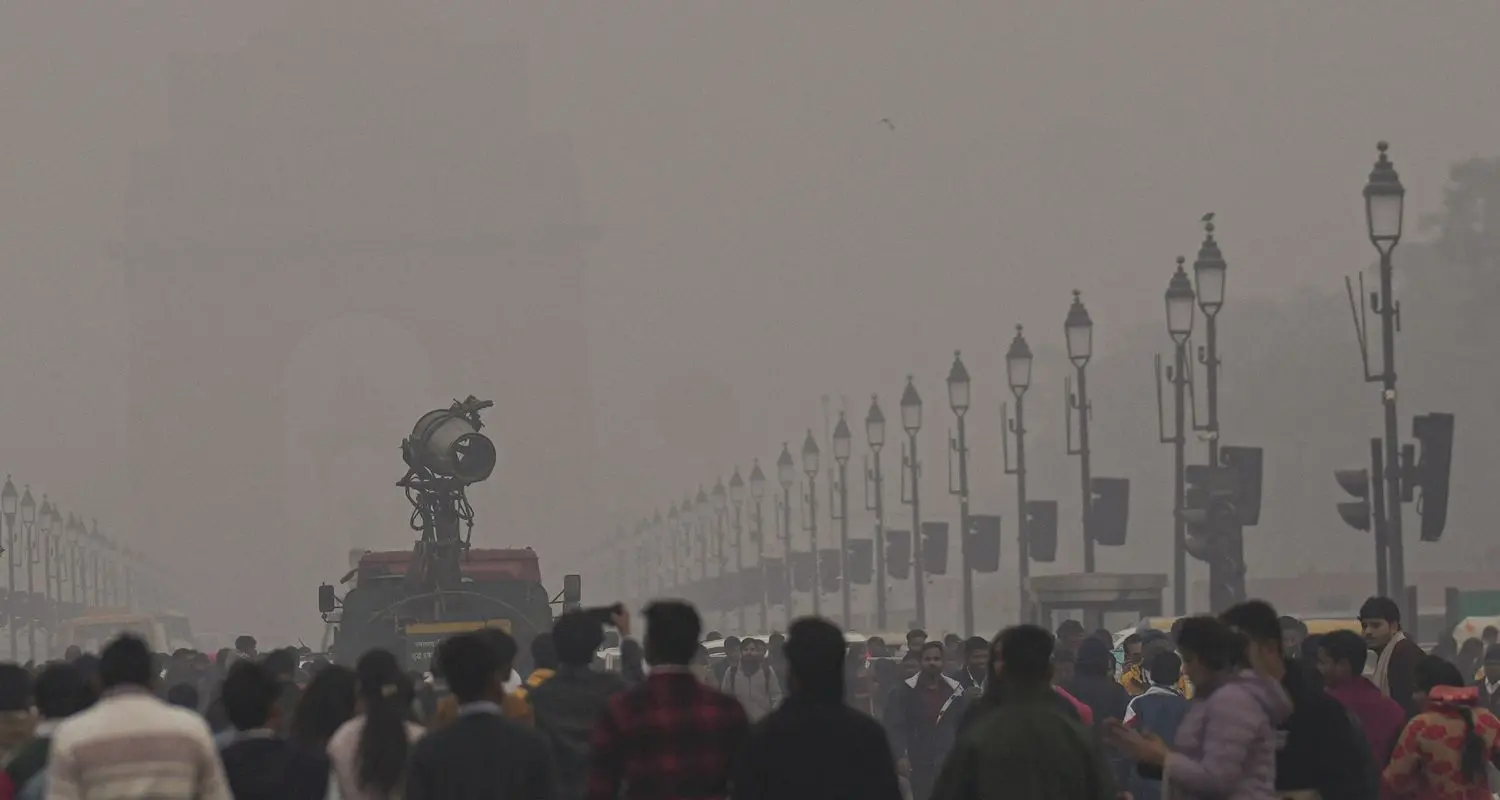
Delhi entered the first week of January with a rare combination of relief and discomfort. Strong winter winds have temporarily pushed down pollution levels across the national capital, shifting air quality into the ‘poor’ category, even as residents contend with cold wave conditions and dense fog alerts. For a city grappling with chronic winter smog, the improvement offers a brief reprieve while underlining the structural challenges of urban air management.
Data from official monitoring networks showed the citywide Air Quality Index hovering around the lower end of the ‘poor’ band during early morning hours on Saturday. Several residential and commercial zones reported readings closer to ‘moderate’, a notable shift from the severe pollution episodes that typically dominate early January. Urban planners note that such fluctuations are largely weather-driven rather than the result of sustained emission reductions, raising questions about long-term air quality resilience.
Authorities attributed the short-term improvement to high wind speeds and favourable atmospheric conditions that helped disperse accumulated pollutants. However, pockets of elevated pollution persisted in northern parts of the city, highlighting the uneven distribution of air quality benefits across neighbourhoods. Transport corridors and high-density residential clusters remained vulnerable, reinforcing concerns around land-use planning and traffic intensity in Delhi’s urban fabric. In response to the easing pollution levels, regulators rolled back some emergency restrictions imposed under the graded pollution response framework, while maintaining baseline controls on construction activity, vehicle emissions, and industrial operations. Urban economists say this calibrated rollback reflects a growing attempt to balance environmental safeguards with economic continuity, especially for informal workers and small businesses affected by repeated shutdowns during winter months.
At the same time, the weather has turned harsher. The national weather agency issued a yellow alert for dense fog over the weekend, alongside warnings of sustained cold wave conditions. Minimum temperatures have dipped close to seasonal norms, while daytime highs remain marginally above average. Although flight operations and surface transport remained largely unaffected on Saturday morning, mobility experts caution that prolonged fog events can strain urban logistics, public transport reliability, and emergency response systems.Pollution source assessments continue to point to road traffic as the single largest contributor to Delhi’s winter air burden, followed by industrial activity in surrounding regions and household fuel use. Climate and infrastructure specialists argue that episodic improvements driven by wind patterns mask deeper systemic issues, including vehicle dependence, fragmented regional planning, and limited adoption of clean construction practices.
Looking ahead, forecasters expect air quality to fluctuate between ‘poor’ and ‘very poor’ categories as weather conditions stabilise. For policymakers, the episode serves as another reminder that sustainable gains will depend less on meteorology and more on structural reforms clean mobility, resilient urban design, and coordinated regional action. For residents, the cleaner air may be temporary, but it offers a glimpse of what Delhi could achieve with consistent, long-term interventions aligned with climate-resilient city planning.
Delhi Sees Cleaner Air During January Cold Spell